
 English
  中文简体
中文简体


How Are Paper Cups Manufactured?
Apr 17, 2026
Content
- 1 How to Identify High-Quality Paper Cups
- 2 Do Paper Cups Pose a Microplastics Problem?
- 3 Resolving Environmental Issues Associated with Paper Cups
- 4 Do Paper Cups Deform When Filled With Hot Water?
- 5 Do Paper Cups Leak When Filled With Hot Water?
- 6 Types of Paper Cups
- 7 Functions of Paper Cups
- 8 FAQ About Paper Cups
Paper cup manufacturing involves a precise multi-step process combining paperboard with protective barrier coatings. The global paper cup market reached $8.2 billion in 2023, driven by demand for disposable foodservice packaging.
Raw Materials Selection
Manufacturers use food-grade paperboard ranging from 150 to 350 gsm (grams per square meter). The base material consists of sustainably sourced wood pulp, with polyethylene (PE) or polylactic acid (PLA) coatings applied to prevent liquid absorption.
Production Process
- Printing and cutting: Paperboard sheets are printed with designs and cut into circular blanks called "cup fans."
- Coating application: PE or PLA barriers are extruded onto the paperboard at temperatures between 300-350°C
- Forming: Automated machines shape the fans into conical or cylindrical forms at speeds up to 200 cups per minute
- Bottom sealing: Heat and pressure bond the base to the sidewall, creating a leak-proof seal
- Rim rolling: The top edge is rolled to provide structural rigidity and user comfort
Quality Control Standards
Reputable manufacturers test cups for burst strength (minimum 200 kPa), edge wicking resistance, and overall dimensional accuracy. FDA and EU food contact regulations mandate strict migration limits for coating materials.
How to Identify High-Quality Paper Cups
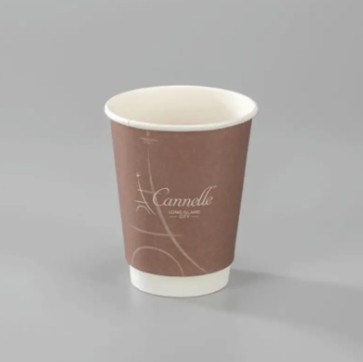
Premium paper cups feature double-wall construction, food-safe certifications, and coating weights exceeding 18 gsm per side. Quality assessment requires examining multiple physical characteristics.
Visual and Tactile Indicators
- Wall thickness: Single-wall cups should measure 0.4-0.6mm; double-wall cups should exceed 0.8mm
- Coating uniformity: No visible pinholes, bubbles, or thin spots in the interior lining
- Rim integrity: Smooth, even rolling without cracks or sharp edges
- Print quality: Sharp, non-fading inks that resist hot liquid exposure
Certification Markers
| Certification | Region | Key Requirements |
|---|---|---|
| FDA 21 CFR | United States | Food contact substance safety |
| EU 10/2011 | European Union | Migration limits for plastics |
| FSC Certification | Global | Sustainable paper sourcing |
| OK Compost | International | Industrial compostability |
Performance Testing Methods
Conduct simple field tests: fill the cup with boiling water and observe for 15 minutes. Quality cups maintain structural integrity without softening, while inferior products may show wall buckling or base separation within 5 minutes.
Do Paper Cups Pose a Microplastics Problem?
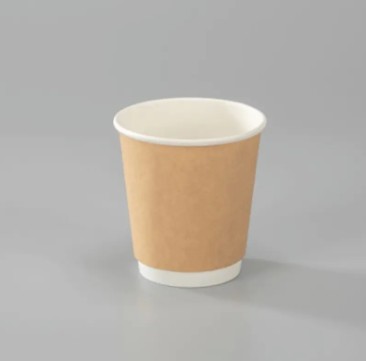
Yes, conventional polyethylene-coated paper cups release microplastic particles. Research published in Environmental Science & Technology (2021) demonstrated that single-use paper cups lined with HDPE release approximately 25,000 microplastic particles per 100ml of hot liquid within 15 minutes.
Mechanism of Microplastic Release
When exposed to temperatures above 85°C, the hydrophobic PE coating degrades at the liquid interface. Mechanical stress from stirring or sipping accelerates particle detachment. These particles range from 1 to 50 micrometers, small enough for cellular uptake.
Health Implications
While the long-term health effects remain under investigation, microplastics have been detected in human blood, placenta, and lung tissue. The World Health Organization recommends minimizing exposure to plastic particles in food contact applications as a precautionary measure.
Mitigation Strategies
- PLA-coated cups: Plant-based alternatives reduce but do not eliminate particle release (approximately 5,000 particles per 100ml)
- Aqueous barrier coatings: New mineral-based technologies claim zero microplastic release
- Temperature management: Allowing beverages to cool below 70°C before consumption reduces coating degradation
Resolving Environmental Issues Associated with Paper Cups
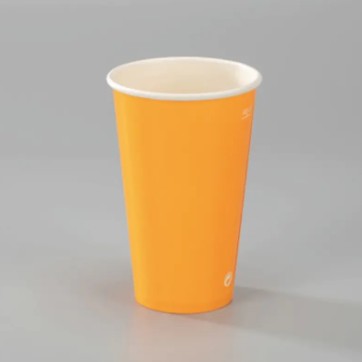
Less than 1% of paper cups are effectively recycled globally due to the difficulty of separating plastic coatings from paper fibers. Addressing this requires systemic changes across material innovation, infrastructure, and consumer behavior.
Material Innovation Solutions
Next-generation barrier technologies include water-based coatings (WBC), chitosan biopolymers, and clay nanoparticle barriers. These materials provide liquid resistance while maintaining repulpability. Companies like Stora Enso and Kotkamills have commercialized fully recyclable paper cups using these technologies.
Infrastructure Development
Specialized recycling facilities using hydropulping technology can separate PE coatings from fibers with 95% efficiency. The UK-based James Cropper recycling plant processes 500 million cups annually, converting waste into premium paper products. Expansion of such facilities is critical for circular economy goals.
Policy and Behavioral Interventions
| Intervention Type | Reduction Rate | Example Implementation |
|---|---|---|
| Reusable cup incentives | 30-50% | Starbucks 10-cent discount program |
| Disposable cup levies | 150-200% | Ireland's 20-cent cup tax (2021) |
| Deposit return schemes | 85-95% | German reusable cup systems |
| Bans on single-use | 100% | EU Single-Use Plastics Directive |
Carbon Footprint Considerations
A standard paper cup generates approximately 110 grams of CO2 equivalent throughout its lifecycle. Switching to reusable cups after 20-30 uses breaks even environmentally. For single-use scenarios, cups with aqueous coatings reduce carbon impact by 40% compared to PE-lined alternatives.
Do Paper Cups Deform When Filled With Hot Water?
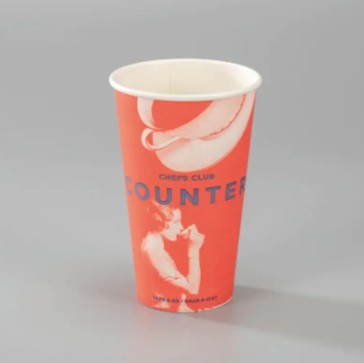
Single-wall paper cups begin losing structural integrity at temperatures above 90°C, while double-wall or insulated cups maintain shape up to 100°C. Deformation occurs through fiber softening and coating adhesive failure.
Deformation Mechanisms
Paperboard consists of cellulose fibers bonded with hydrogen connections. At 80-90°C, these bonds weaken, reducing the modulus of elasticity by 60%. Simultaneously, PE coatings soften at 105-115°C, compromising the moisture barrier and allowing liquid penetration into the fiber matrix.
Prevention Strategies
- Double-wall construction: Air gap insulation reduces outer wall temperature by 15-20°C
- Corrugated sleeves: External cardboard bands provide radial support
- Base reinforcement: Extra paperboard layers at the bottom prevent sagging
- Preheating protocols: Rinsing cups with warm water before adding boiling liquid reduces thermal shock
Do Paper Cups Leak When Filled With Hot Water?
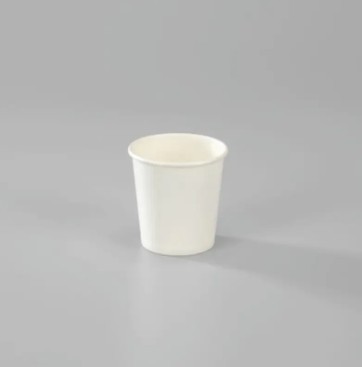
Properly manufactured paper cups should not leak for at least 30 minutes when filled with boiling water. Leakage indicates manufacturing defects, coating damage, or exceeding design temperature limits.
Common Leakage Points
Seam failures account for 70% of leaks, occurring when ultrasonic or heat sealing is incomplete. Base bonding issues represent 20% of failures, often from insufficient adhesive application. The remaining 10% involves pinholes in the coating application.
Quality Assurance Testing
Industry-standard testing includes 24-hour room temperature hold tests and 15-minute boiling water challenge tests. High-quality cups undergo 100% visual inspection and statistical sampling for pressure testing at 50 kPa internal pressure.
User Guidelines to Prevent Leaks
- Inspect cups for visible cracks or pinholes before use
- Avoid overfilling beyond 95% capacity to prevent rim spillage
- Do not stack cups when containing hot liquid
- Consume beverages within 20 minutes to minimize coating degradation
- Use appropriate cup sizes—12oz cups for 12oz servings prevent overflow
Types of Paper Cups
Paper cups are categorized by wall construction, coating material, and intended application. Understanding these classifications ensures the selection of appropriate products for specific use cases.
By Wall Construction
| Type | Wall Thickness | Temperature Resistance | Best Application |
|---|---|---|---|
| Single-wall | 0.4-0.5mm | Up to 85°C | Cold beverages, short-term use |
| Double-wall | 0.8-1.2mm | Up to 100°C | Hot coffee, tea, and extended holding |
| Ripple/triple-wall | 1.5-2.0mm | Up to 100°C | Extra hot drinks, premium service |
By Coating Material
- PE-coated: Standard petroleum-based polyethylene, non-compostable, 70% market share
- PLA-coated: Polylactic acid from corn starch, industrial compostable only
- Aqueous coated: Water-based barriers, recyclable with paper stream
- Wax-coated: Paraffin or vegetable wax, for cold drinks only
By Application
Specialized variants include ice cream cups (heavy-duty base), soup containers (vented lids), vending machine cups (precise diameter tolerances ±0.5mm), and sampling cups (1-4oz capacity). Each type undergoes specific testing protocols relevant to its contents.
Functions of Paper Cups
Paper cups serve functions beyond simple liquid containment, including thermal insulation, brand communication, and food safety assurance. Modern designs integrate multiple functional requirements.
Primary Functions
Hygienic delivery: Single-use design eliminates cross-contamination risks in healthcare and foodservice. Temperature management: Insulated walls maintain beverage temperature while protecting hands from burns. Portability: Lightweight construction (12-25 grams per cup) enables on-the-go consumption.
Secondary Functions
Marketing platform: High-quality printing enables brand messaging at 1200+ dpi, achievable on modern flexographic presses. Portion control: Standardized sizes (8oz, 12oz, 16oz) assist inventory management and cost control. Regulatory compliance: Food-grade materials meet strict safety standards for hot and cold contact.
Emerging Functional Innovations
Smart paper cups now incorporate QR codes for traceability, NFC tags for authentication, and thermochromic inks that indicate optimal drinking temperature. Antimicrobial coatings using silver nanoparticles reduce bacterial growth by 99.9% for healthcare applications.
FAQ About Paper Cups
Are paper cups biodegradable?
Only uncoated or PLA-coated paper cups biodegrade under industrial composting conditions. PE-coated cups require specialized recycling facilities. In landfill conditions, paper cups generate methane as they anaerobically decompose over 20-30 years.
Can paper cups be microwaved?
Microwaving paper cups is not recommended. PE coatings may melt at temperatures above 110°C, causing structural failure and potential chemical migration. Only cups explicitly labeled "microwave-safe" with special heat-resistant coatings should be used.
How long do paper cups last in storage?
Properly stored paper cups maintain quality for 2-3 years. Storage conditions require humidity below 60%, temperature between 15-25°C, and protection from direct sunlight. High humidity causes paperboard to absorb moisture, leading to coating delamination.
Why do some paper cups taste like paper?
Off-tastes indicate insufficient coating coverage or low-quality paperboard. Premium cups use bleached Kraft paper with minimal lignin content, while inferior products may use recycled fibers with residual odors. Pre-rinsing cups with hot water before first use reduces paper taste.
Are paper cups more eco-friendly than plastic cups?
The comparison depends on lifecycle boundaries. Paper cups have higher manufacturing emissions (due to pulping energy) but lower marine pollution potential. A 2022 lifecycle assessment showed that paper cups generate 0.11 kg CO2e, compared with 0.09 kg CO2e for polypropylene cups, but paper decomposes faster when littered.
What is the difference between hot and cold paper cups?
Hot cups feature thicker paperboard (minimum 300 gsm) and full interior coating coverage. Cold cups use lighter stock (180-250 gsm) with partial coating, as condensation resistance is the primary requirement. Using cold cups for hot liquids causes immediate failure.
Related Products
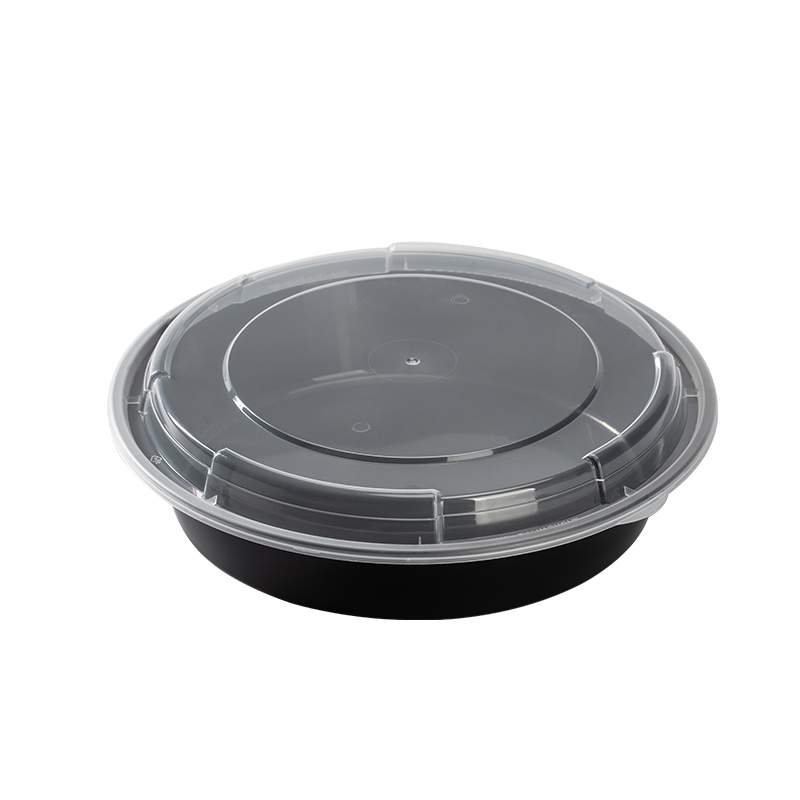
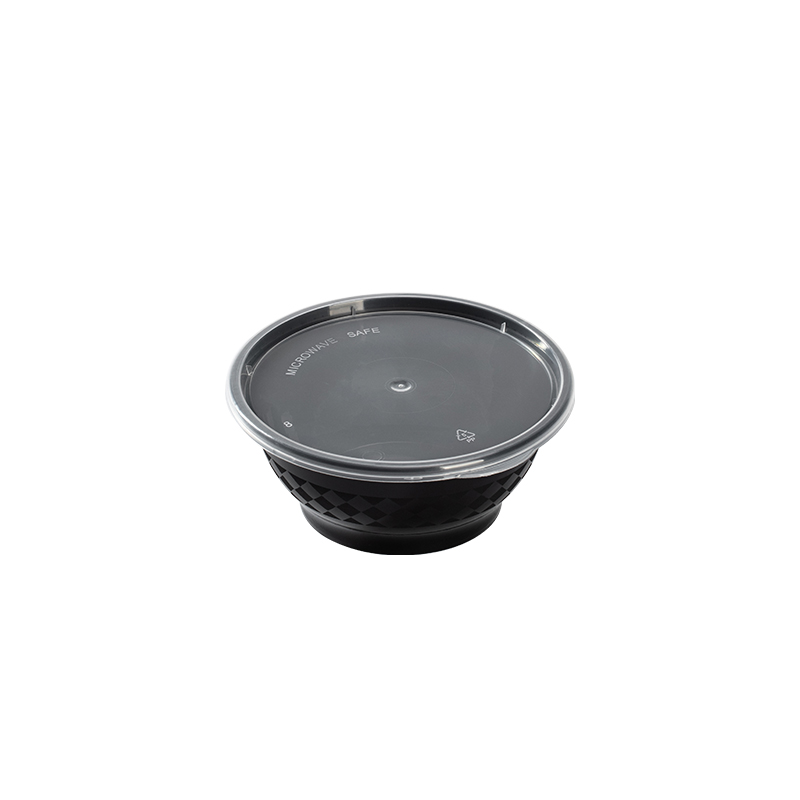

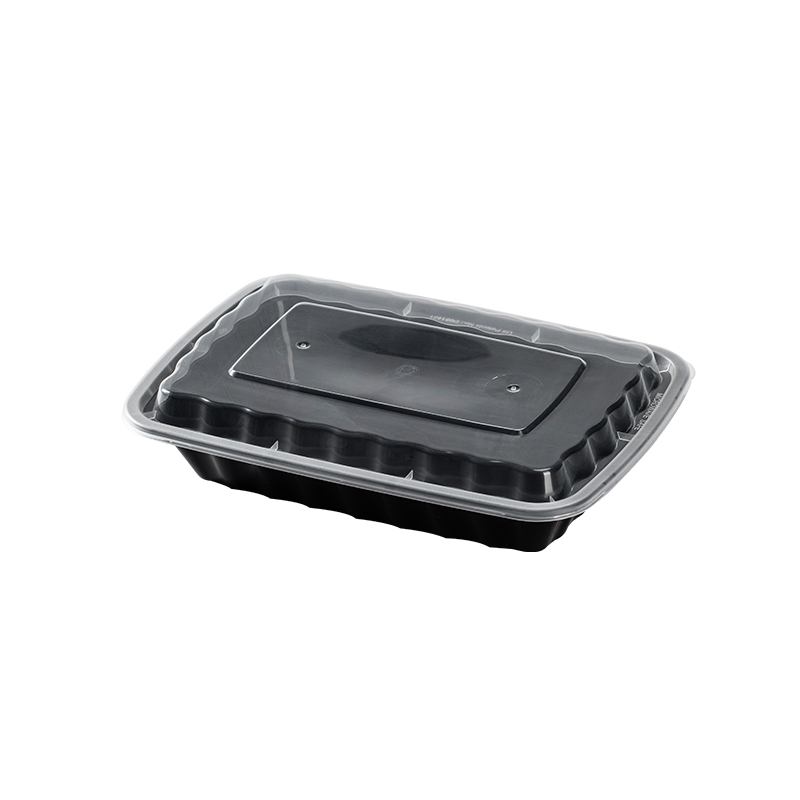
We are very glad that you came to JIEYU to purchase or customize, and we are confident to provide you with quality products and services.

We are committed to developing innovative, reliable, economical, and environmentally friendly disposable and reusable food service products for our customers.

No.199 Liansheng Road, Coast Business Center, Yinzhou District, Ningbo, Zhejiang, China

+86-18106622299

jay@jieyuplast.com
