
 English
  中文简体
中文简体


How to Choose Safe Plastic Food Containers?
May 08, 2026
Content
Plastic food containers are essential for modern food storage and packaging, but not all plastics are food-safe. According to FDA guidelines, prioritize containers marked with codes 2 (HDPE), 4 (LDPE), and 5 (PP) — these materials offer high chemical stability and minimal risk of harmful substance migration. Avoid codes 3 (PVC), 6 (PS), and 7 (Other/BPA-containing) for food contact, especially with hot or oily foods. The global disposable food container market is projected to reach $46.28 billion by 2026, growing at approximately 4.6% annually, with PET holding about 55.6% market share. For businesses seeking wholesale disposable food container supplies, understanding these safety codes is critical to sourcing compliant products.
Main Types and Practical Applications
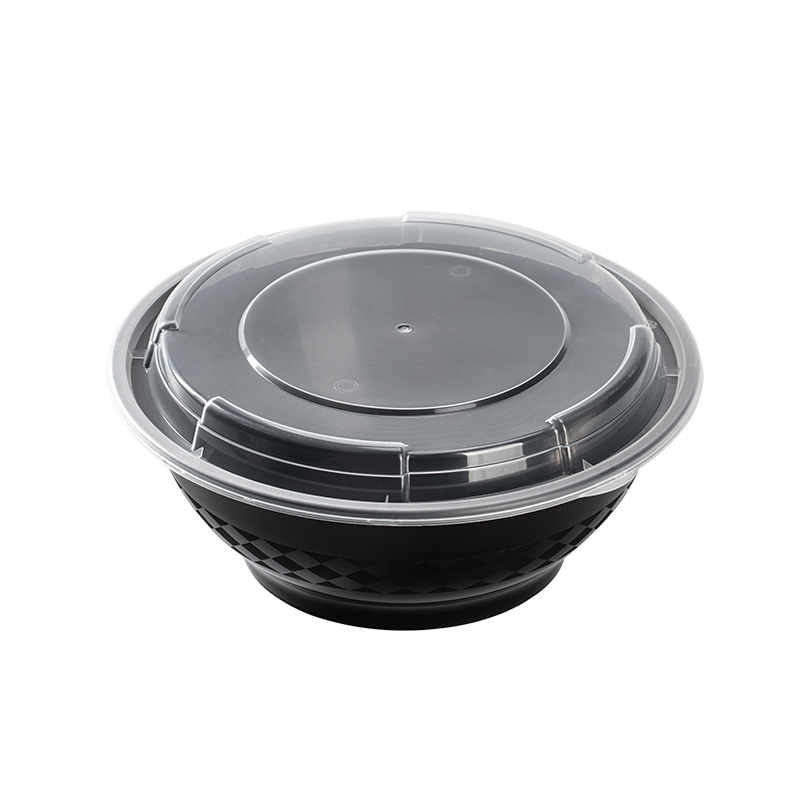
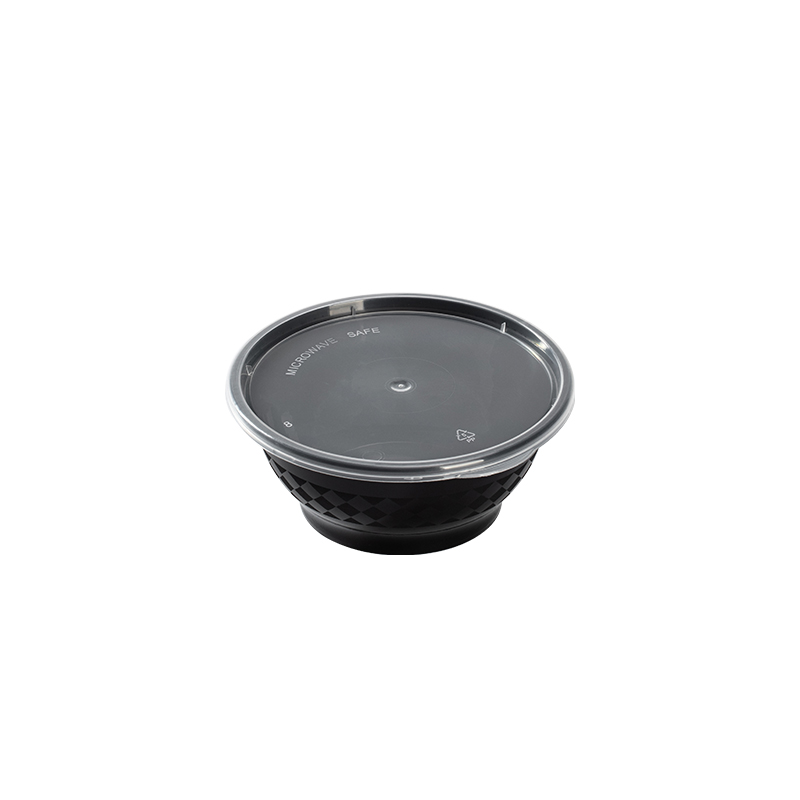
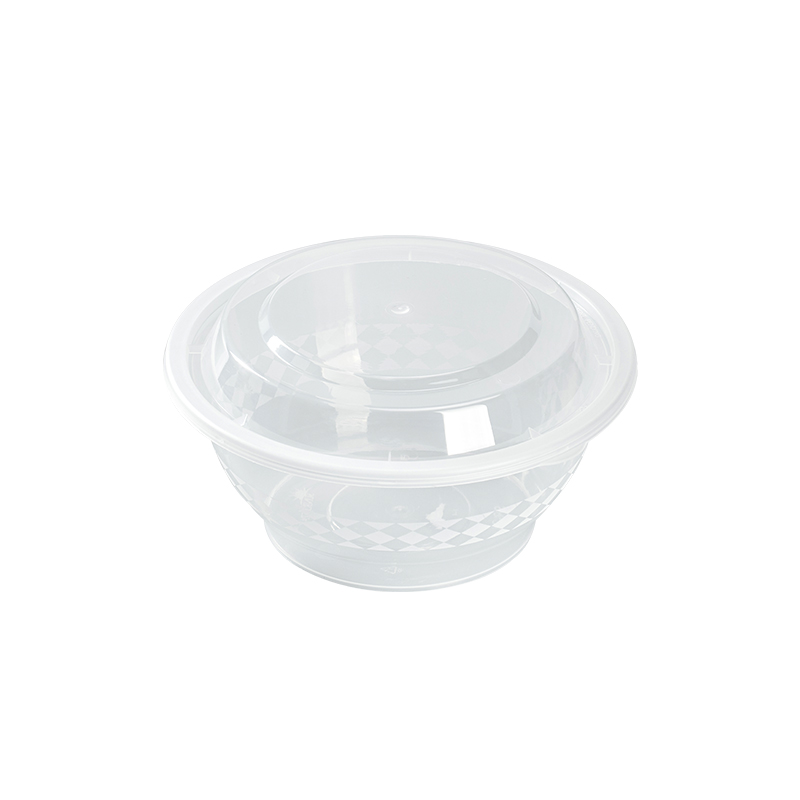
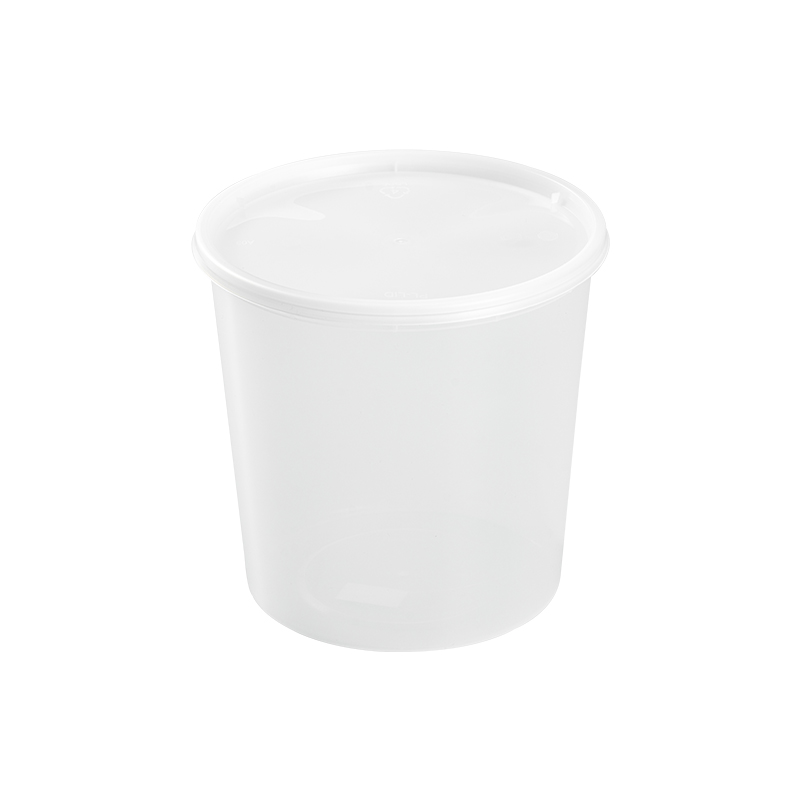
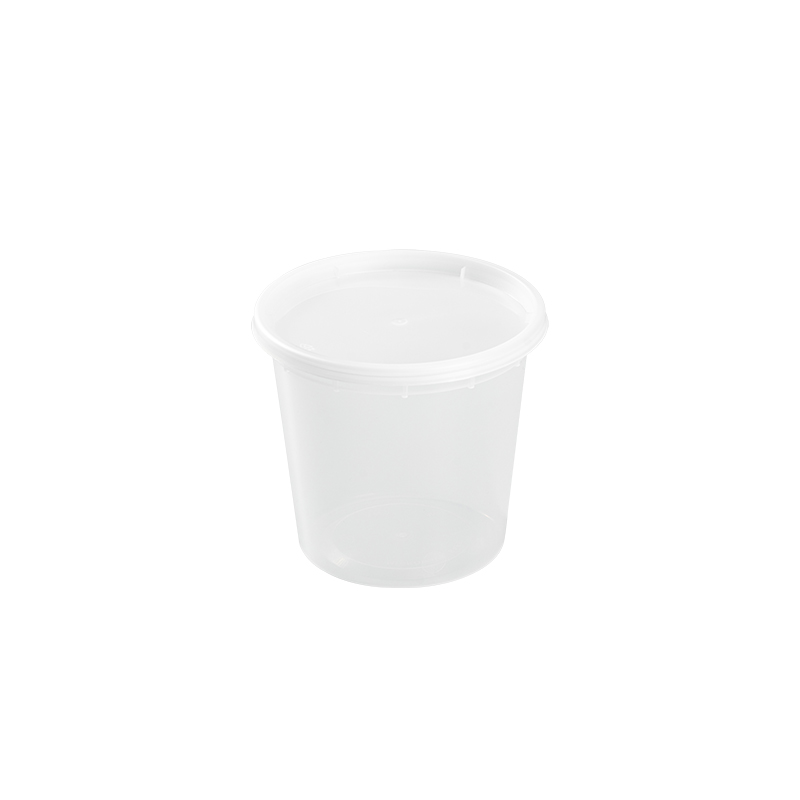
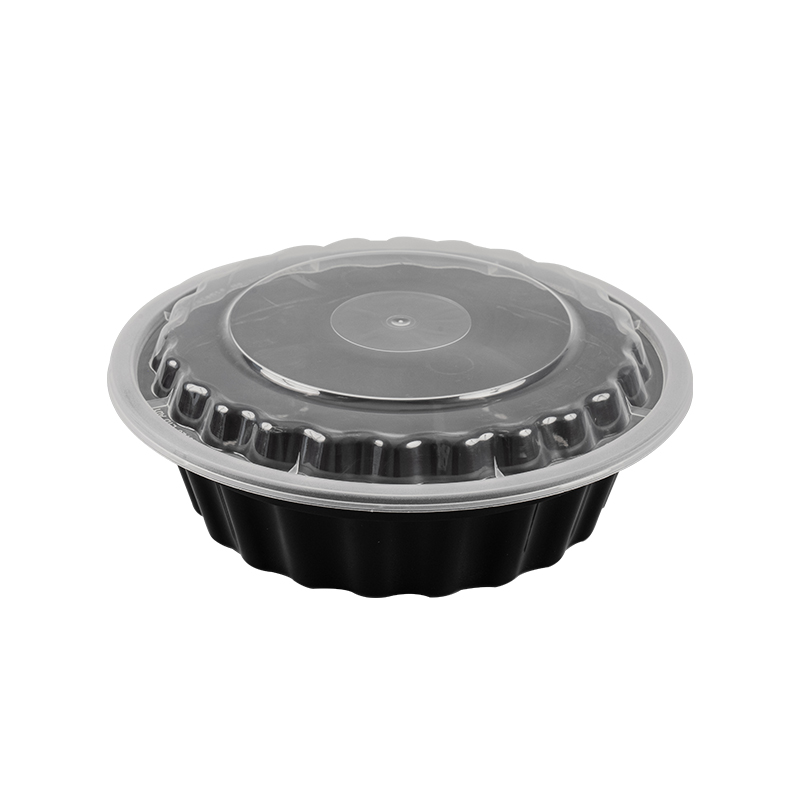
Round Plastic Food Containers
The most common shape for takeaway food container applications, typically with tight-fitting lids, available in capacities from 17 oz to 39 oz. Ideal for soups, sauces, salads, and main dishes. The curved edges facilitate easy cleaning, while stackable designs save refrigerator and pantry space. These round designs are widely used as delivery food container solutions for restaurants and catering services. Common uses include fast food packaging meal boxes, meal prep portioning, and leftover storage.
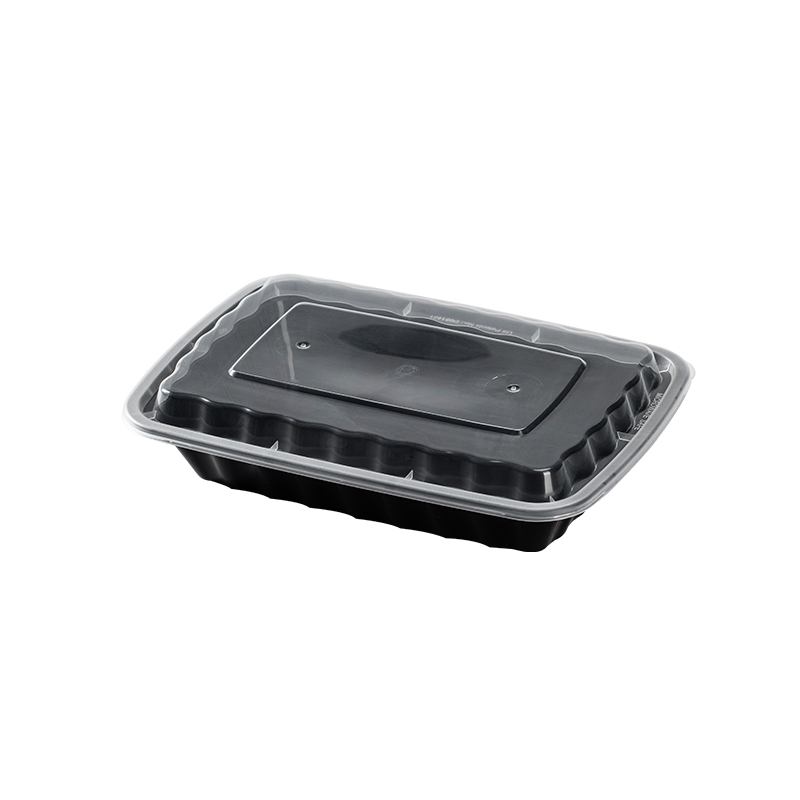
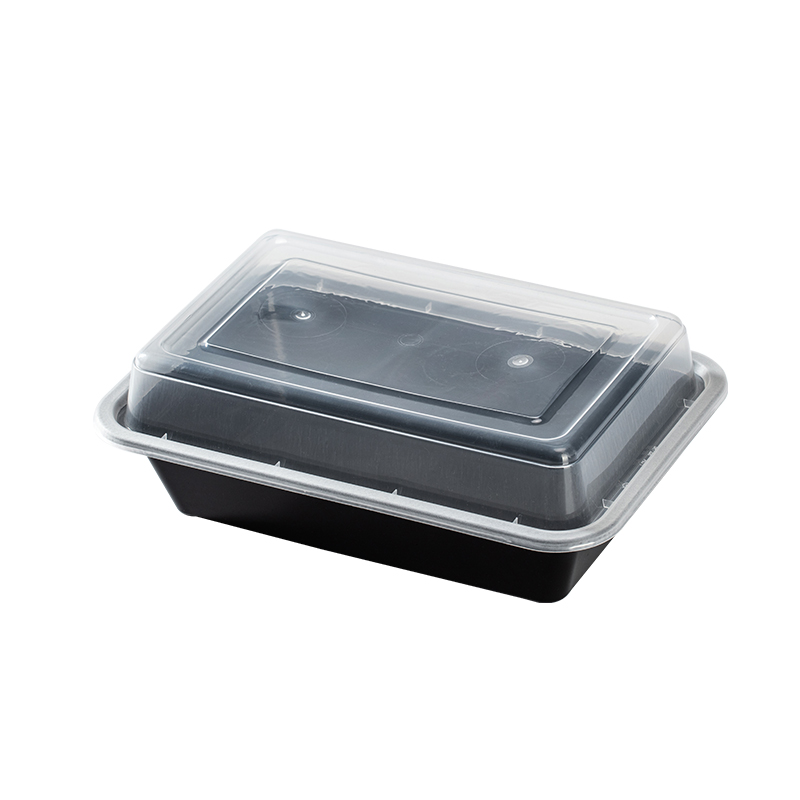
Rectangular Plastic Food Containers
More space-efficient than round containers, perfect for sandwiches, sliced meats, and neatly arranged ingredients. The flat base provides stability on refrigerator shelves. Many models feature internal dividers to separate different foods and prevent flavor mixing. Rectangular food packaging box designs are particularly popular in disposable packaging for bento-style meals and pre-packaged lunches.
Tamper-Evident Plastic Food Containers
Equipped with single-use safety seals that cannot be resealed once opened. Widely used in retail disposable food container packaging such as yogurt cups, ready-to-eat salads, and deli trays. Tamper-evident design protects food integrity and builds consumer trust, serving as an industry standard for retail applications. These are essential for one time use containers in supermarkets and convenience stores where product security is paramount.
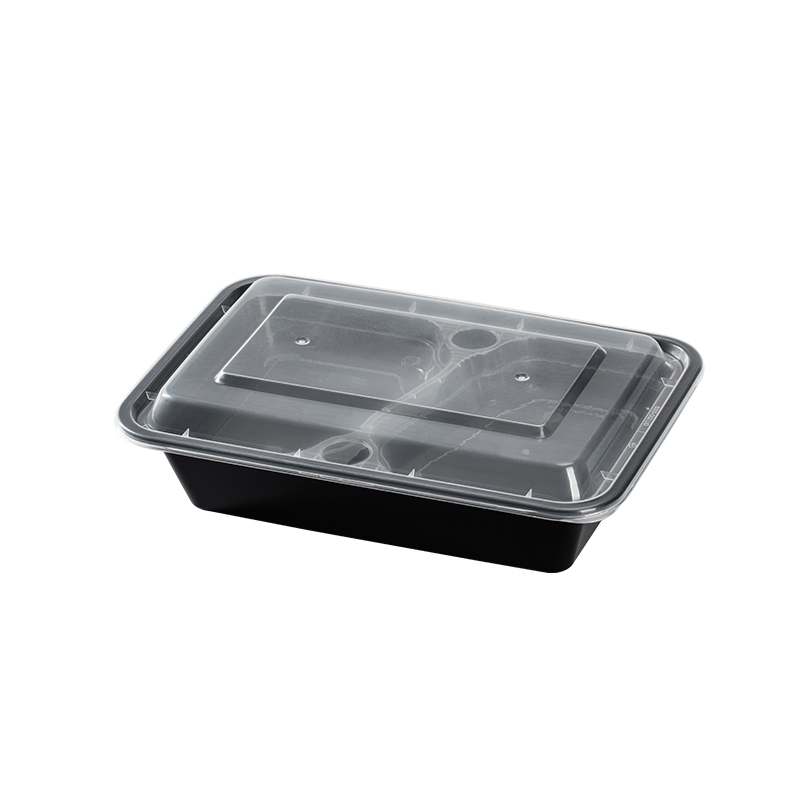
Compartment Plastic Food Containers
Featuring 2 to 4 separate compartments for mains, sides, and condiments. Extremely popular in meal prep culture, helping users plan weekly diets in advance. The compartment design prevents food mixing and preserves individual textures and freshness. These multi-compartment disposable tableware options are increasingly used in fast food packaging for combo meals and balanced diet programs.
Plastic Soup and Portion Cups
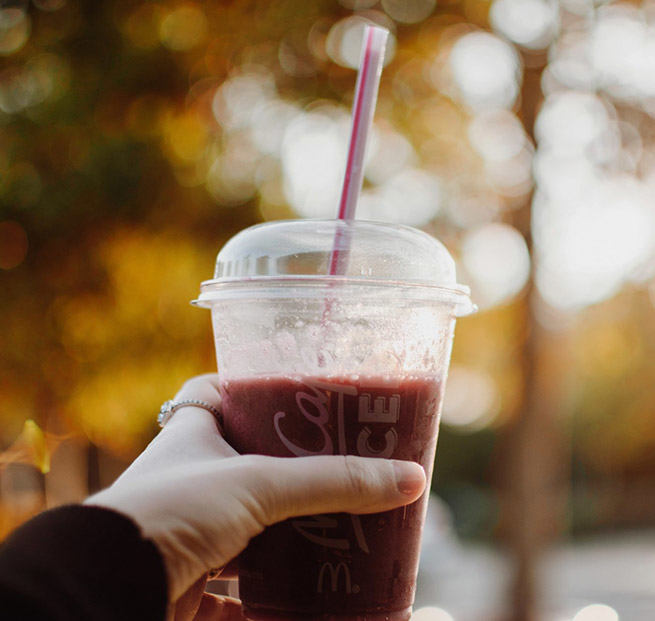
Small cups ranging from 1 oz to 8 oz, designed for soups, sauces, and dressings. These require excellent sealing performance to prevent liquid leakage and are typically used alongside main containers for takeaway and portioning needs. Plastic Cup designs in this category often include matching lids with vent holes for hot beverages. These complement paper meal box options in hybrid packaging solutions where liquids need separate containment.
Material Safety Grades: Understanding Recycling Codes
Every disposable food container bears a triangular Resin Identification Code (1–7) on its base. Understanding these codes is the first step to ensuring food safety, whether for home use or wholesale disposable food container procurement.
| Code | Material | Common Uses | Food Safety | Microwave Safe |
|---|---|---|---|---|
| 1 (PET) | Polyethylene Terephthalate | Beverage bottles, clear food boxes, disposable cup | Safe for single use; not recommended for reuse | No |
| 2 (HDPE) | High-Density Polyethylene | Milk jugs, juice bottles, thick plastic bags | Safe, high chemical stability | Use with caution |
| 3 (PVC) | Polyvinyl Chloride | Cling film, transparent food wrap | Avoid; contains plasticizers | No |
| 4 (LDPE) | Low-Density Polyethylene | Bread bags, frozen food bags | Safe, excellent flexibility | No |
| 5 (PP) | Polypropylene | Yogurt cups, sauce bottles, delivery food container | Safest option, heat resistant | Yes |
| 6 (PS) | Polystyrene | Foam food boxes, disposable cutlery | Avoid heating; may release styrene | No |
| 7 (Other) | Other / Polycarbonate | Water bottles, medical storage | May contain BPA; use with caution | No |
FDA assessments classify codes 2 (HDPE), 4 (LDPE), and 5 (PP) as consistently safe for food contact. Polypropylene (PP, code 5) is the only widely recognized microwave-safe plastic due to its melting point of 160°C to 170°C, making it ideal for fast food packaging that requires reheating. In contrast, PVC (code 3) contains phthalates that may disrupt endocrine function, PS (code 6) can release styrene — classified by IARC as a Group 2B carcinogen — when heated, and polycarbonate in code 7 may contain BPA. For wholesale disposable food container buyers, specifying PP or HDPE materials ensures compliance with food safety standards.
Manufacturing Process: From Raw Material to Finished Product
Disposable food container production primarily uses injection molding, offering high efficiency, precision, and cost-effectiveness for large-scale manufacturing of one time use containers.
Key Injection Molding Parameters (PP Example)
- Melt temperature: 200°C to 280°C — affects material flow and surface finish
- Mold temperature: 20°C to 60°C — determines cooling rate and warping
- Injection pressure: 500 to 1,500 bar — ensures complete mold filling
- Cooling time: 10 to 30 seconds — controls dimensional stability
Production Workflow
- Raw material preparation: Food-grade pellets dried to below 0.05% moisture content
- Color mixing: Food-grade masterbatch added for uniform coloration
- Melting and plasticization: Pellets melted in heated barrel with screw mixing
- High-pressure injection: Molten plastic injected into precision mold cavities
- Cooling and solidification: Internal cooling channels ensure uniform solidification
- Demolding and inspection: Automated ejection followed by visual and dimensional checks
- Packaging and storage: Clean packaging for finished disposable packaging products
A complete production cycle typically takes 30 to 60 seconds, with a single machine producing thousands of takeaway food container units daily. Wall thickness uniformity is critical, with recommended ranges of 1.0mm to 3.0mm — too thin risks deformation, too thick extends cooling time and increases costs. This efficiency makes injection molding the preferred method for wholesale disposable food container manufacturing.
Market Size and Growth Trends
The global disposable food container market shows steady growth. Valued at $46.28 billion in 2026, it is projected to reach $69.6 billion by 2035 at a CAGR of approximately 4.6%. Asia-Pacific holds the largest share at about 32%, with China and India as primary growth engines. The expansion of food delivery services has particularly boosted demand for delivery food container solutions.
| Region | 2018 | 2021 | 2025 | Growth Rate |
|---|---|---|---|---|
| North America | 520 | 610 | 790 | 51.9% |
| Europe | 450 | 520 | 690 | 53.3% |
| China | 880 | 1,060 | 1,480 | 68.2% |
| Asia-Pacific (excl. China) | 760 | 910 | 1,230 | 61.8% |
Food delivery and ready-to-eat meals drive approximately 60% of global disposable food container usage. The North American market alone is valued at approximately $81.65 billion in 2025, with the U.S. accounting for roughly $60.81 billion — about 24.77% of global sales. The rapid growth of online food ordering continues to fuel demand for delivery food container and takeaway food container products.
Safe Usage Guidelines and Common Misconceptions
Recommended Practices
- Prioritize products labeled "BPA-Free" and "Food Grade"
- Microwave only containers marked "Microwave Safe" — exclusively PP (code 5)
- Avoid storing oily foods long-term in plastic containers, as fats accelerate chemical migration
- Replace containers immediately when scratches, discoloration, or deformation appear — aged plastic releases more chemicals
- Use mild detergents for cleaning; avoid abrasive scrubbers like steel wool
Misconceptions to Avoid
- Myth 1: All plastics are reusable. PET (code 1) disposable cup and container designs are for single use; repeated washing promotes bacterial growth and accelerates chemical release.
- Myth 2: Clear plastic is safer. PVC (code 3) is often transparent but contains phthalates that may disrupt the endocrine system.
- Myth 3: Foam containers are harmless. Polystyrene (code 6) disposable tableware can release styrene when in contact with hot food or microwaved — styrene is classified by IARC as a Group 2B carcinogen.
- Myth 4: No odor means it's safe. Many hazardous substances such as BPA and phthalates are colorless and odorless, making them undetectable by smell.
FDA regulations mandate that chemical migration from food-contact materials must remain below 0.5 ppb (parts per billion). Consumers and wholesale disposable food container buyers should purchase FDA-certified or equivalent containers through reputable channels and avoid unverified low-quality products.
Sustainability and Recycling
Environmental pressures are driving the disposable packaging industry toward sustainability. Approximately 72% of manufacturers now incorporate recycled plastics in new product designs, with the recycled plastic container market share growing from 4.3% in 2018 to 14% in 2025. Many restaurants now combine paper meal box options with recyclable plastic cup solutions to reduce environmental impact.
Recycling Feasibility Classification
- Widely recyclable: PET (code 1) and HDPE (code 2) — accepted by most municipal recycling programs. This includes most clear disposable cup and bottle products.
- Conditionally recyclable: PP (code 5) and LDPE (code 4) — check local recycling policies. Many delivery food container and fast food packaging items fall into this category.
- Difficult to recycle: PVC (code 3), PS (code 6), and Other (code 7) — rarely accepted by recycling facilities. This includes most foam disposable tableware and certain one time use containers.
To minimize environmental impact, adopt the "Reduce-Reuse-Recycle" hierarchy: prioritize reusable glass or stainless steel containers; when disposable food container use is necessary, choose recyclable materials; clean thoroughly after use and sort according to local regulations. A recycled PET bottle can be transformed into textile fibers, new containers, or outdoor furniture — preventing it from degrading in landfills for over 400 years. For businesses, offering paper meal box alternatives alongside plastic options provides customers with eco-friendly choices.
Share:
Related Products
We are very glad that you came to JIEYU to purchase or customize, and we are confident to provide you with quality products and services.

We are committed to developing innovative, reliable, economical, and environmentally friendly disposable and reusable food service products for our customers.

No.199 Liansheng Road, Coast Business Center, Yinzhou District, Ningbo, Zhejiang, China

+86-18106622299

jay@jieyuplast.com
