
 English
  中文简体
中文简体


Are disposable cups eco-friendly?
Apr 24, 2026
Content
- 1 The Core Functions of Disposable Cups
- 2 Types and Classification of Disposable Cups
- 3 Manufacturing Process and Materials
- 4 Safety Considerations for Takeout Usage
- 5 Environmental Impact and Eco-Friendliness
- 6 Recyclability Challenges and Solutions
- 7 Disposable Cups vs. Reusable Cups
- 8 Frequently Asked Questions
The Core Functions of Disposable Cups
Disposable cups serve three primary functions: hygiene assurance through single-use elimination of cross-contamination risks, convenience for on-the-go consumption without washing requirements, and cost efficiency for businesses with operational expenses reduced by up to 40% compared to reusable cup management systems. These vessels are engineered for immediate beverage containment across temperatures ranging from -20°C to 100°C.
Types and Classification of Disposable Cups
By Material Composition
- Paper cups: Single or double-wall construction with polyethylene (PE) or polylactic acid (PLA) linings
- Plastic cups: Polypropylene (PP), polystyrene (PS), or polyethylene terephthalate (PET)
- Foam cups: Expanded polystyrene (EPS) with superior insulation properties
- Biodegradable alternatives: Bagasse (sugarcane fiber), bamboo pulp, or cornstarch-based materials
By Capacity Specifications
| Category | Capacity Range | Typical Use Case |
|---|---|---|
| Espresso | 60-120ml (2-4oz) | Concentrated coffee servings |
| Small | 240-350ml (8-12oz) | Standard coffee, tea |
| Medium | 400-470ml (14-16oz) | Lattes, cappuccinos, soft drinks |
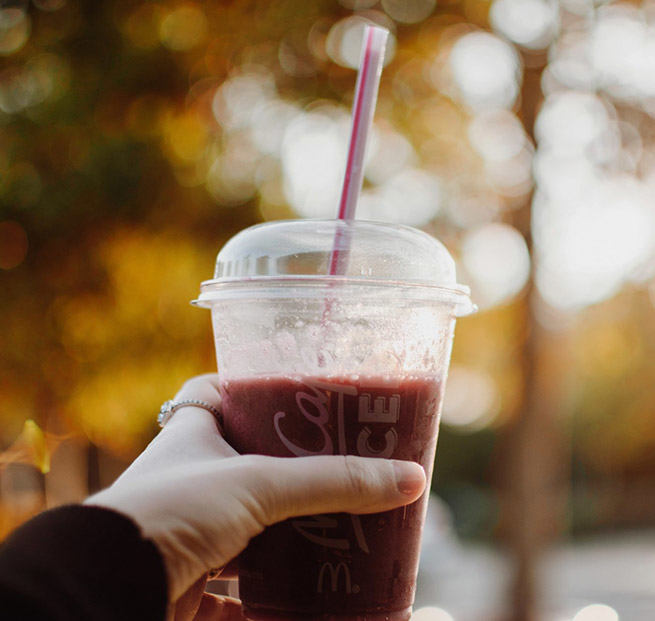
| Large | 590-700ml (20-24oz) | Iced beverages, smoothies |
Manufacturing Process and Materials
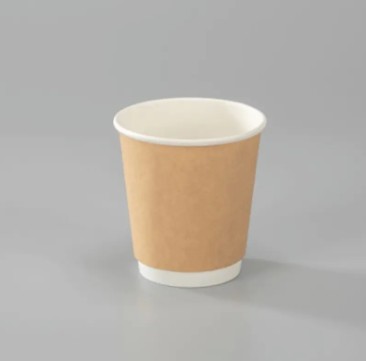
Disposable cup production involves precision engineering. Paper cups begin with food-grade paperboard (typically 150-350 gsm) coated with polyethylene (PE) plastic lining measuring 15-30 micrometers in thickness to prevent liquid absorption. This plastic lining is the critical barrier that makes most paper cups non-recyclable in standard facilities.
Production Sequence
- Raw material preparation and quality testing
- Extrusion coating of plastic barrier layers
- Die-cutting and printing (food-safe inks)
- Thermal forming and seam sealing
- Rim rolling and bottom attachment
- Sanitization and packaging
Manufacturing facilities operate at speeds exceeding 120 cups per minute for standard models, with quality control rejecting approximately 2-3% of production due to seam integrity failures or coating defects.
Safety Considerations for Takeout Usage
Yes, disposable cups used for takeout are generally safe when manufactured to FDA or EU food contact material standards. However, safety depends on specific conditions:
Temperature Limitations
- Standard PE-lined cups: Safe up to 100°C (212°F)
- Polystyrene foam: Maximum 90°C (194°F) before structural degradation
- PLA bioplastic: Maximum 40-50°C (104-122°F)—unsuitable for hot beverages
Chemical Migration Risks
Research published in Environmental Science & Technology detected microplastic release from paper cups into hot liquids, with 7,253 particles per cup identified in 100°C water after 15 minutes. While within current regulatory safety thresholds, consumers should avoid prolonged storage of hot acidic beverages (coffee, tea) in disposable cups exceeding 30 minutes.
Environmental Impact and Eco-Friendliness
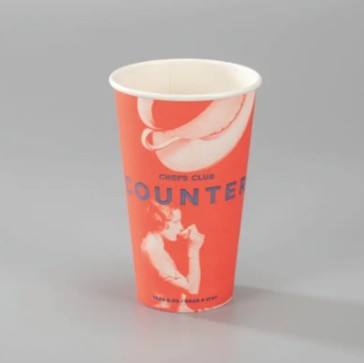
Disposable cups are not inherently eco-friendly. Global consumption exceeds 500 billion units annually, generating approximately 1.2 million tons of solid waste. The environmental burden stems from:
- Resource extraction: 20 million trees and 12 billion gallons of water annually for paper cups alone
- Carbon footprint: Single-use paper cups generate 0.11 kg CO₂ equivalent per unit
- Persistence: PE-lined cups require 30 years for partial decomposition in landfills
Paper Cups vs. Plastic Cups: Environmental Comparison
| Metric | Paper Cup (PE-lined) | Plastic Cup (PP) |
|---|---|---|
| Carbon footprint | 0.11 kg CO₂e | 0.08 kg CO₂e |
| Water usage | High (pulp processing) | Moderate |
| Recyclability | Limited (1% recycled) | Possible (code-dependent) |
| Decomposition time | 30 years | 450 years |
Conclusion: Neither option is truly eco-friendly, though paper cups have marginally lower long-term persistence. The most sustainable choice remains reusable cups, which break even environmentally after approximately 20-100 uses, depending on the material.
Recyclability Challenges and Solutions
Most disposable cups cannot be recycled through standard municipal programs. The PE-plastic lining contaminates paper recycling streams, while food residue renders 99% of cups non-recyclable. Specialized facilities using hydro-pulping technology can separate plastic from paper fibers, but only 1 in 400 cups reaches such facilities.
Recycling Viability by Type
- Pure PET plastic cups: Recyclable (resin code #1) if clean and unlined
- PP plastic cups: Recyclable (resin code #5) at select facilities
- PE-lined paper cups: Requires specialized recycling infrastructure
- PLA bioplastic cups: Industrial composting only; contaminates recycling streams
Disposable Cups vs. Reusable Cups
The fundamental distinction lies in lifecycle and environmental cost. A ceramic mug requires 72 uses to offset its production carbon footprint compared to disposable alternatives, while a stainless steel tumbler requires 20-50 uses. Beyond environmental considerations:
| Feature | Disposable Cups | Reusable Cups |
|---|---|---|
| Initial cost | $0.02-0.15 per unit | $5-30 purchase price |
| Hygiene control | Guaranteed sterile | User-dependent |
| Thermal retention | 10-30 minutes | 2-6 hours (insulated) |
| Waste generation | 100% per use | Near zero (end-of-life only) |
Frequently Asked Questions
Do all paper cups contain plastic?
Yes, nearly all conventional paper cups contain plastic lining (PE or PLA) to prevent liquid leakage. Only specialized "plastic-free" cups using natural rubber or wax coatings eliminate synthetic barriers, representing less than 5% of market share.
Are compostable cups better than recyclable ones?
Compostable cups require industrial composting facilities (maintaining 55-60°C for 90 days), which are unavailable to 95% of consumers. Without proper processing, they persist in landfills similar to conventional plastics.
Why do coffee shops double-cup?
Double-cupping provides thermal insulation and structural rigidity for hot beverages (above 70°C), reducing heat transfer to hands by approximately 60% compared to single-wall construction.
Can I microwave disposable cups?
No. PE-lined paper cups release plastic compounds when heated above 100°C. Foam cups melt. Only unlined paper or specifically labeled microwave-safe containers should be used for reheating.
Related Products
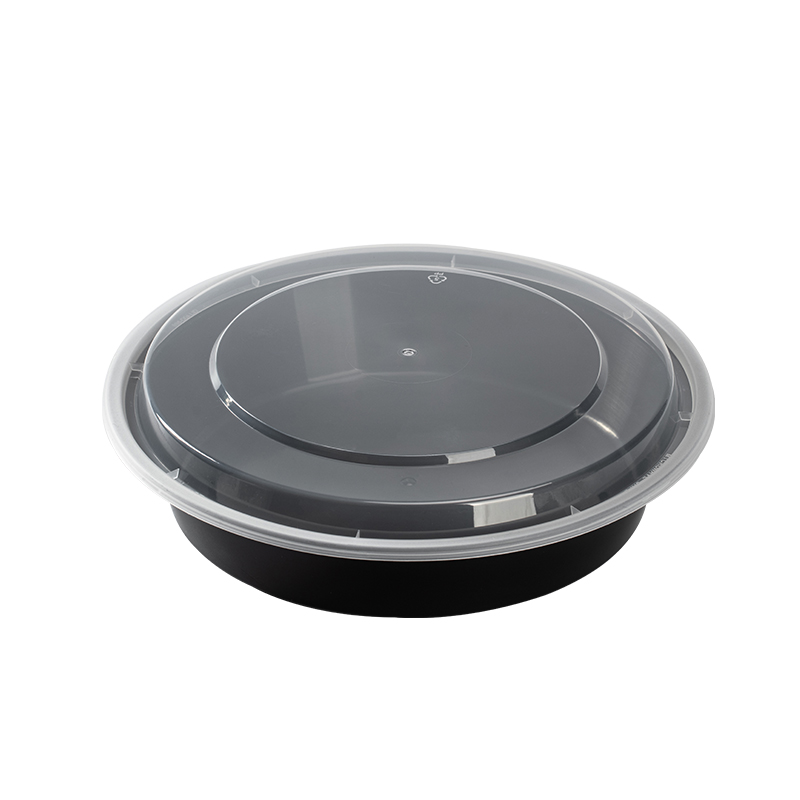
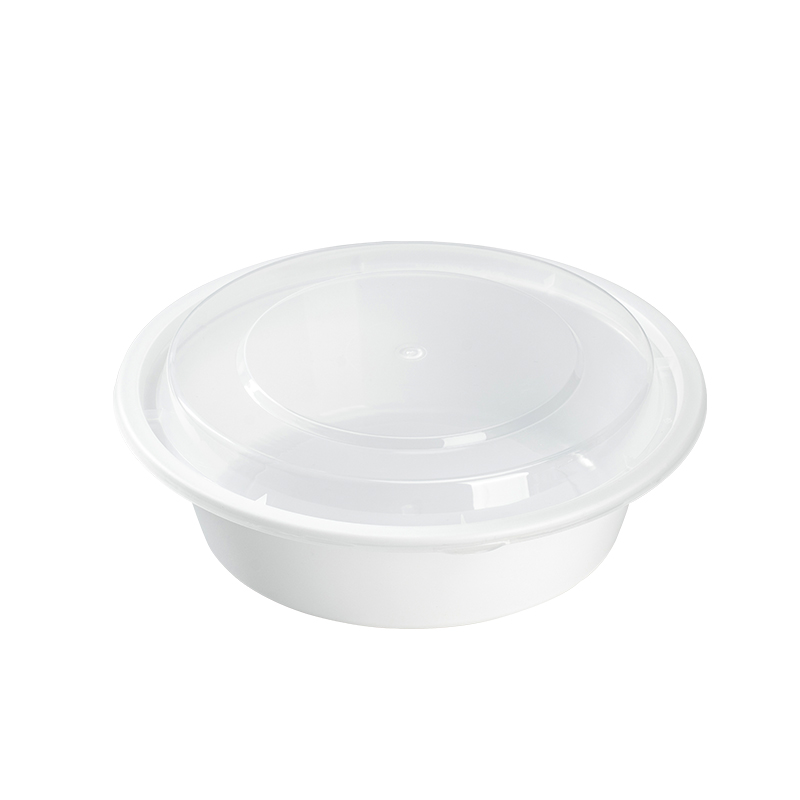
We are very glad that you came to JIEYU to purchase or customize, and we are confident to provide you with quality products and services.

We are committed to developing innovative, reliable, economical, and environmentally friendly disposable and reusable food service products for our customers.

No.199 Liansheng Road, Coast Business Center, Yinzhou District, Ningbo, Zhejiang, China

+86-18106622299

jay@jieyuplast.com
