
 English
  中文简体
中文简体


BPA-Free Containers for Food Storage: What to Choose and Why It Matters
Sep 18, 2026
Content
- 1 What "BPA-Free" Actually Means in Food Containers
- 2 BPA-Free Plastic vs. Glass vs. Stainless Steel
- 3 What to Look For When Buying BPA-Free Plastic Containers
- 4 Sealing Performance, Stacking, and Real Storage Scenarios
- 5 Why "BPA-Free" Is Not the Whole Story
- 6 Quick Answers to Common Questions
- 7 Final Thoughts on Choosing BPA-Free Containers
The phrase "BPA-free" has become the default checkbox for food storage. Yet the label alone tells you almost nothing about leak resistance, heat tolerance, or how long a container will survive daily use. The practical choice depends on material, lid design, size range, and your specific routine. This guide explains what BPA-free really means in a food container, how plastic stacks up against glass and stainless steel, and which details to check before committing to a set.
What "BPA-Free" Actually Means in Food Containers
BPA (bisphenol A) is an industrial chemical used since the 1950s to harden plastics. It appears in polycarbonate plastic and epoxy resins, which historically lined drink and food cans. Multiple studies have associated BPA exposure with altered hormone activity, and the chemical leaches more readily when the material is heated or meets acidic foods. The "BPA-free" label simply confirms that the manufacturer did not use that specific compound. It removes what most experts consider the most documented concern, but it does not guarantee that every replacement chemical is risk-free.
Not All BPA-Free Plastics Behave the Same
Polyethylene terephthalate (PET, resin code #1) and polypropylene (PP, resin code #5) are the two types most often used in food storage. PET is clear, lightweight, and common for cold drinks and deli containers, but it is not designed for high heat. PP handles hot foods and microwave reheating much better and is the material used in most reusable meal-prep containers. A container stamped with a #5 inside the triangle symbol generally offers the widest safe temperature range for everyday storage.
BPA-Free Plastic vs. Glass vs. Stainless Steel
Plastic is not automatically worse than glass. Each material has a specific place in a kitchen. The table below summarizes the trade-offs for typical meal-prep and takeout situations.
| Material | Durability | Heat Resistance | Weight | Cost | Best Use Case |
|---|---|---|---|---|---|
| BPA-Free Plastic (PP #5) | Good; drops but rarely shatters | Good; microwave-safe in most PP models | Light | Low to moderate | Meal prep, lunch bags, commercial kitchens |
| Glass | Good overall but can shatter | Excellent; oven-safe in most cases | Heavy | Moderate to high | Home storage, marinating, freezing |
| Stainless Steel | Very durable; may dent | Excellent; no leaching concerns | Light to moderate | Moderate to high | Bento boxes, outdoor use, cold foods |
How they compare on four practical factors
For a deeper breakdown of the cost and usability side, our earlier look at how plastic food containers compare with glass and stainless steel covers the numbers in more detail. For most takeout programs and busy kitchens, high-quality BPA-free plastic remains the practical choice because it is light, cost-efficient, and forgiving in a fast-moving environment.
What to Look For When Buying BPA-Free Plastic Containers
The label is just the baseline. The following criteria matter during real use:
- Resin identification code: PP (#5) for hot food, PET (#1) for cold items and short-term storage.
- Seal and latch design: A tight gasket with a positive click keeps liquid inside when lids get bumped.
- Stackability: Flat lids and square or rectangular footprints save valuable shelf and fridge space.
- Size range: A set spanning 8 oz to 64 oz covers sides, main dishes, and batch cooking.
- Temperature ratings: Check whether the container is safe for the microwave, freezer, and dishwasher.
- Visibility: Clear sides or lids help with quick rotation and reducing forgotten leftovers.
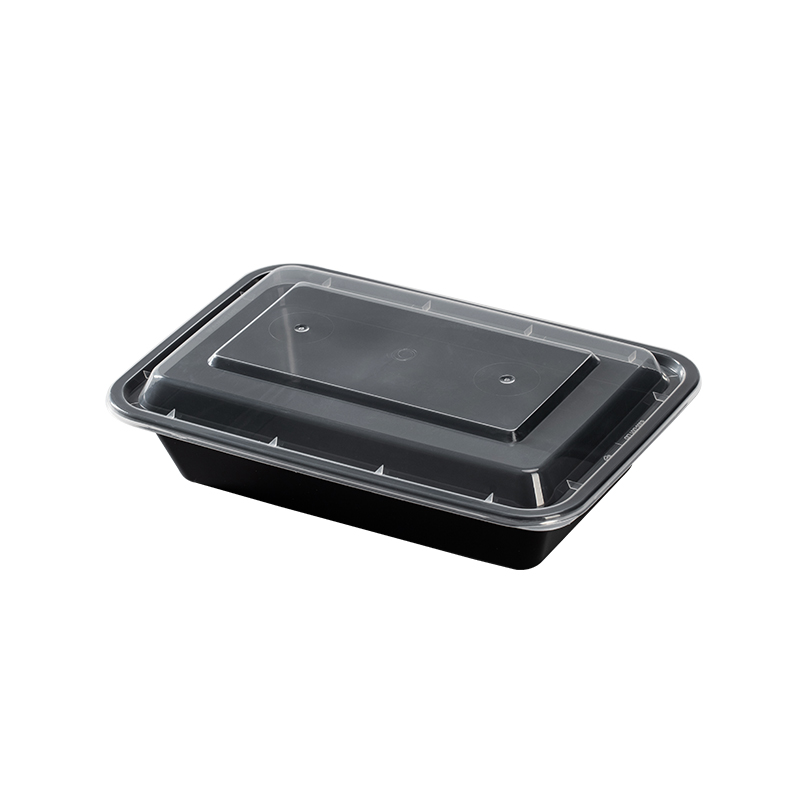
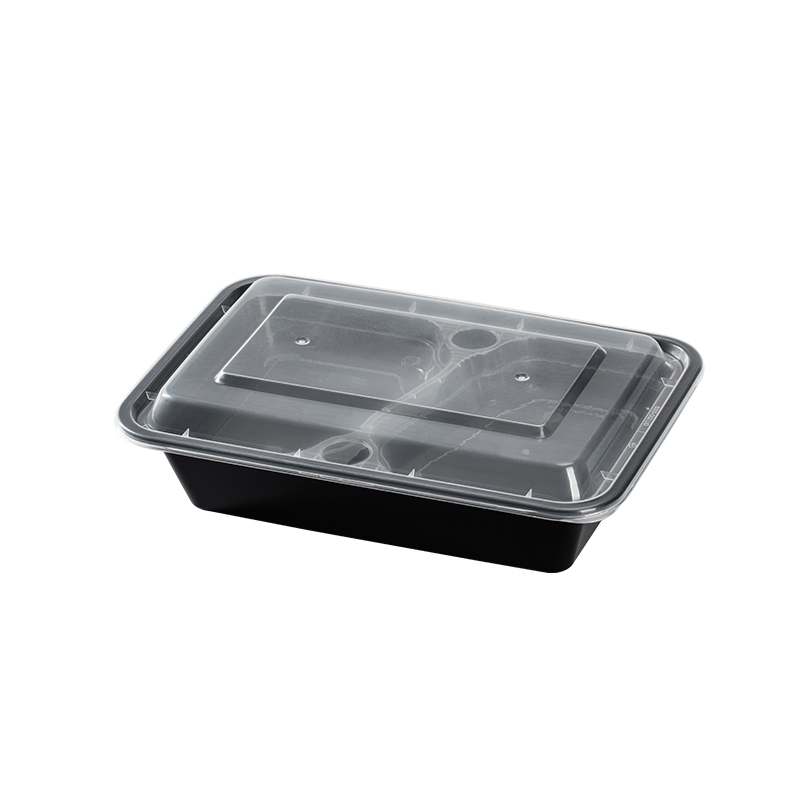
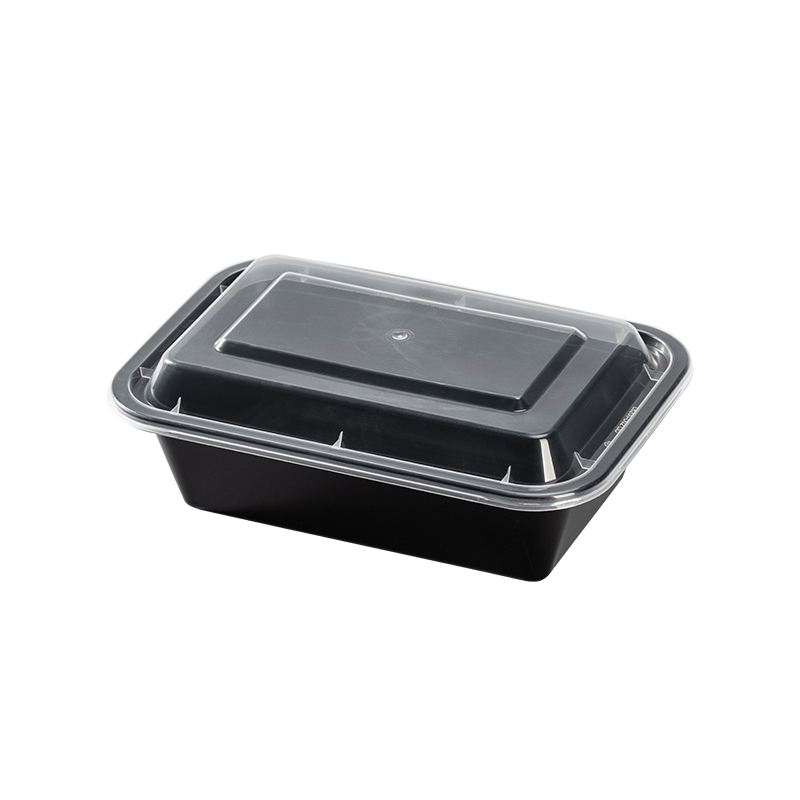
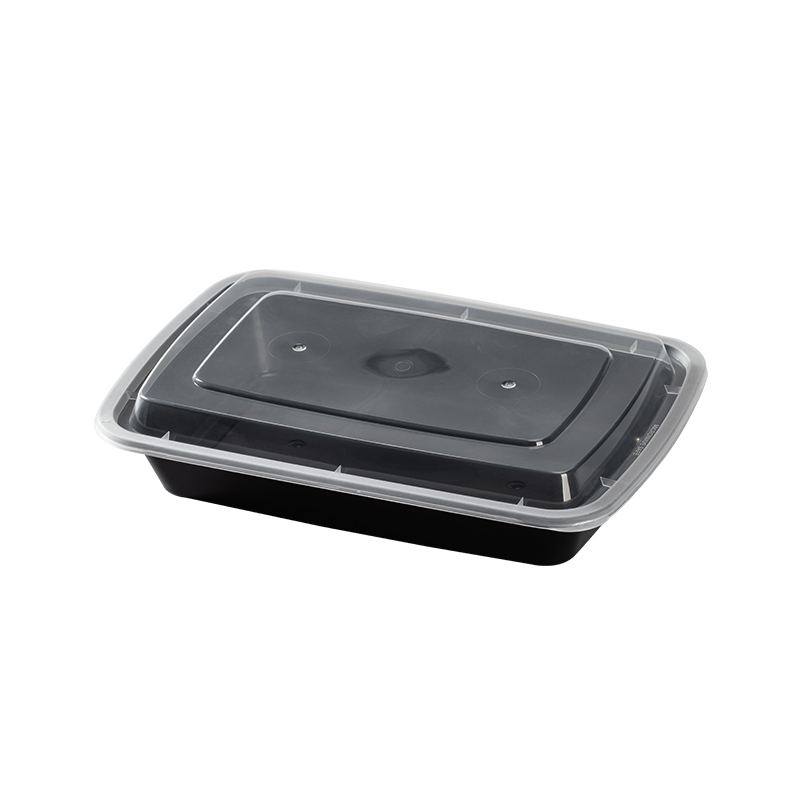
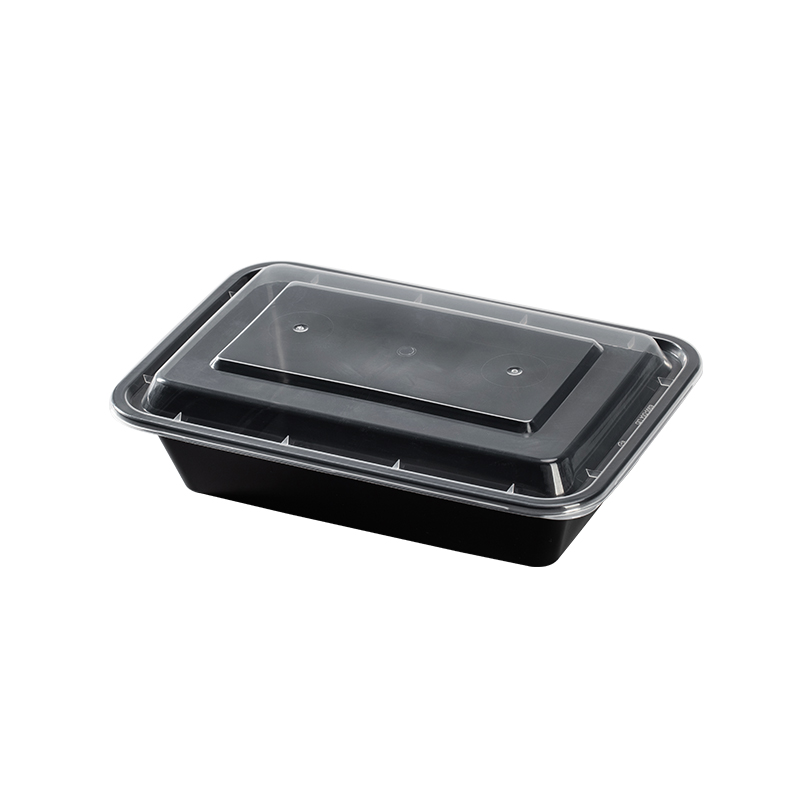 34oz Rectangular Combo Pack PL-888 for Family Meal PrepThis rectangular container’s wide base and secure lid suit batch cooking and catering, keeping portions separated while the 32 oz class geometry supports even food distribution.View Product →
For example, a rectangular container in the 32 oz range works well for family-sized meal prep because the wide base distributes food evenly and the lid locks without excessive force. That kind of geometry is especially useful for catering, weekend batch cooking, and deli counters where portions need to stay separated.
Sealing Performance, Stacking, and Real Storage Scenarios
A container's true test is whether it leaks when the lid is on and the box gets knocked around in a bag. For soups and sauces, thicker gaskets and clip-on lids make a measurable difference. We covered the seal mechanics in depth in our analysis of the sealing performance of round plastic food containers, so we will not repeat all the engineering here. The short version: a round body under a quarter-inch of fluid is far harder to seal than a dry sandwich box, so match the container to the liquid level.
| Size Range | Typical Uses |
|---|---|
| 8–16 oz | Dips, sauces, single portions, sides |
| 24–32 oz | Main entrees, soups, salads, leftovers |
| 40 oz and above | Family meal prep, catering batches, large roasts |
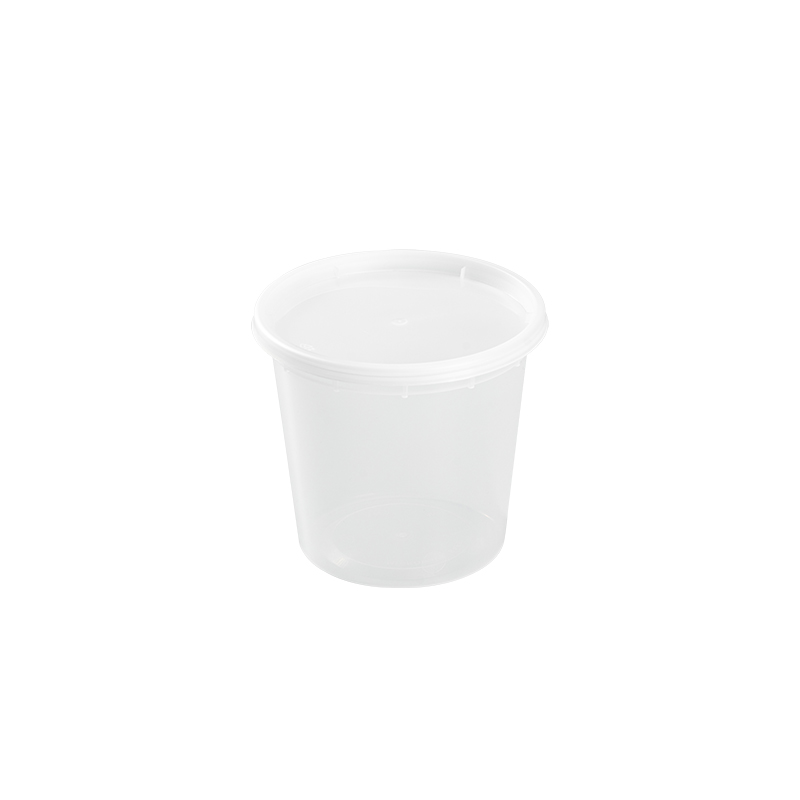
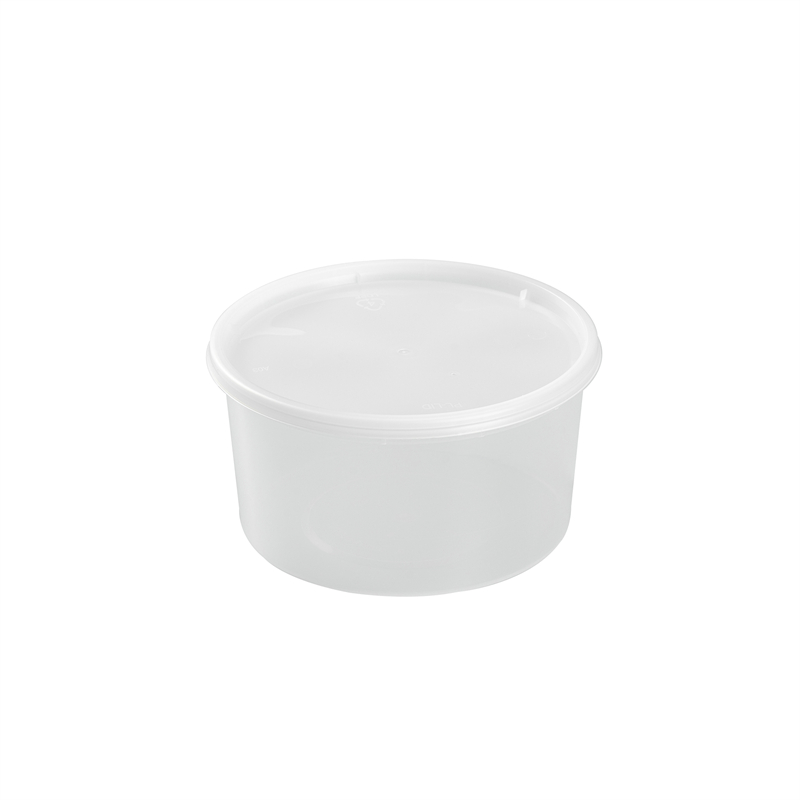
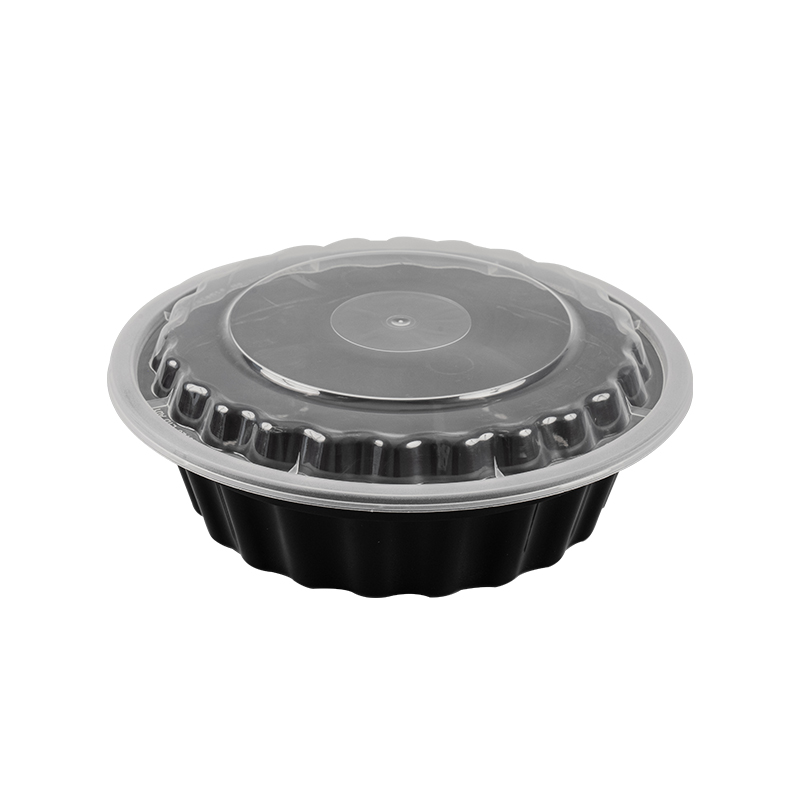
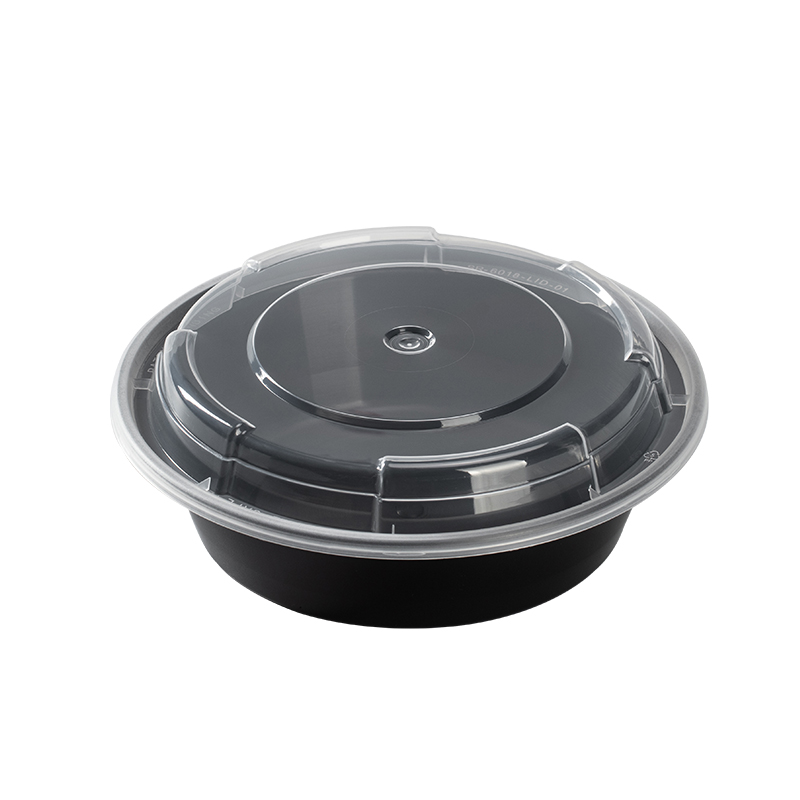 17oz Round Combo Pack PL-718 for Liquid StorageDesigned for soups and sauces, the round shape avoids corner residue and a snug lid resists popping under handling, reducing leaks during transport in commercial kitchens.View Product →
Round containers deserve special attention for liquid-heavy storage. The curve eliminates the corners where food tends to sit, and a well-fitted lid holds up to gentle squeezing without popping open. In a commercial kitchen, that translates into less waste during transport and fewer customer complaints about leaked dressing.
Why "BPA-Free" Is Not the Whole Story
After BPA was phased out, some manufacturers switched to bisphenol S (BPS) or bisphenol F. Early lab research suggests they may have similar endocrine effects. The practical advice is simple: do not heat a plastic container unless it is specifically labeled microwave-safe, avoid harsh scrubbing that scratches the surface, and replace containers that are visibly scratched, cloudy, or warped. Those signs mean the polymer matrix has started to break down, and that is when any additive can migrate faster.
- Wash new containers by hand before first use.
- Let hot food cool for a few minutes before transferring it to a plastic container.
- Use glass or steel for long marinating sessions or if you plan to reheat directly in the same vessel.
- Check the bottom mark each time you purchase a batch; supplier formulas vary even within the same product line.
For businesses, tamper-evident containers add an extra layer of trust. The snap-off tab shows the customer whether a lid has been opened since packing, which is important for delivered meals and deli counters. They also tend to use stiffer PP resin, so they hold up better when stacking multiple filled containers in a delivery bag.
Quick Answers to Common Questions
Are BPA-free plastic containers safe for hot soup?
Yes, if the container is PP (#5) and labeled food-grade. PET (#1) is not intended for hot liquids. Check the bottom stamp before filling.
What does the number 5 mean on a container?
It is the resin identification code for polypropylene, a more stable and heat-resistant plastic. It is the best common choice for reusable food storage and microwave reheating when used correctly.
How long can I use a BPA-free plastic container?
With normal daily use, a PP container typically lasts one to two years. Replace it if the surface becomes cloudy, cracked, badly scratched, or if it retains odors after washing.
Is glass always safer than plastic?
No. Glass is inert and excellent for home storage, but plastic is more portable, lighter, and less expensive for takeout and commercial applications. The key is choosing the right plastic type and respecting its temperature limits.
Final Thoughts on Choosing BPA-Free Containers
BPA-free is a starting point, not a promise. Focus on the resin type, seal quality, and how the container will be used day to day. A well-made PP container with a tight lid will outperform a poorly made glass container in a busy kitchen. And when a product line gives you verified material data, matching sizes, and honest temperature ratings, the purchasing decision becomes much easier. Check the bottom stamp, run a water leak test at home, and buy only what matches your storage rhythm.
Share:
Related Products
We are very glad that you came to JIEYU to purchase or customize, and we are confident to provide you with quality products and services.

We are committed to developing innovative, reliable, economical, and environmentally friendly disposable and reusable food service products for our customers.

No.199 Liansheng Road, Coast Business Center, Yinzhou District, Ningbo, Zhejiang, China

+86-18106622299

jay@jieyuplast.com
