
 English
  中文简体
中文简体


Is a Disposable Food Container Microwave Safe?
Jul 10, 2026
Content
- 1 Which Plastic Food Container Materials Are Microwave-Safe
- 2 How to Identify a Microwave-Safe Disposable Food Container
- 3 Featured Disposable Food Container Collection
- 4 Best Practices When Reheating Food in Disposable Packaging
- 5 Container Formats Best Suited for Delivery and Reheating
- 6 What About Paper Meal Boxes and Paper-Based Packaging
- 7 Common Mistakes to Avoid
Yes — but only if the container is made from the right material. Most microwave-safe disposable food containers are made from polypropylene (PP), which withstands temperatures up to around 250°F (121°C) without warping or leaching. Containers made from polystyrene (PS) or standard PET are not designed for microwave use and can soften, deform, or release unwanted compounds when heated. Before reheating any disposable food container in the microwave, always check the base for a microwave-safe symbol or the recycling code "5" (PP), and remove any metallic lids, foil seals, or tamper-evident bands first.
Which Plastic Food Container Materials Are Microwave-Safe
Disposable food packaging is manufactured from several different plastic resins, and each one behaves differently under heat. Understanding these differences helps buyers of wholesale disposable food container products choose the correct option for hot food service, meal delivery, or reheating at home.
| Material | Recycling Code | Microwave Safe | Typical Use |
|---|---|---|---|
| Polypropylene (PP) | 5 | Yes, up to about 250°F | Takeaway food container, compartment container, soup container |
| Polyethylene Terephthalate (PET) | 1 | No, softens under heat | Cold drink cups, salad containers, bakery packaging |
| Polystyrene (PS) | 6 | No, may deform or melt | Disposable cup, cup lids, foam-style boxes |
| High-Density Polyethylene (HDPE) | 2 | Not recommended | Bottles, some rigid packaging |
| Polycarbonate (PC) | 7 | Limited, brand-dependent | Reusable cups, water containers |
Among these, PP consistently performs best in real-world food service settings. It holds its shape at typical reheating temperatures, does not warp under steam, and is widely used across round and rectangular plastic food container lines because it balances durability, cost, and heat resistance.
How to Identify a Microwave-Safe Disposable Food Container
Not every container is labeled clearly, so it helps to know what to look for before placing a food packaging box in the microwave.
- Check the bottom of the container for a wavy-line microwave symbol or the printed word "microwavable".
- Look for the resin identification code inside the recycling triangle — code 5 indicates PP.
- Avoid containers with metallic printing, foil lids, or tamper-evident seals with metal components.
- Inspect the lid separately, since many combo packs pair a PP base with a different lid material that is not heat-rated the same way.
- If no marking exists, transfer food to a labeled microwave-safe dish instead of guessing.
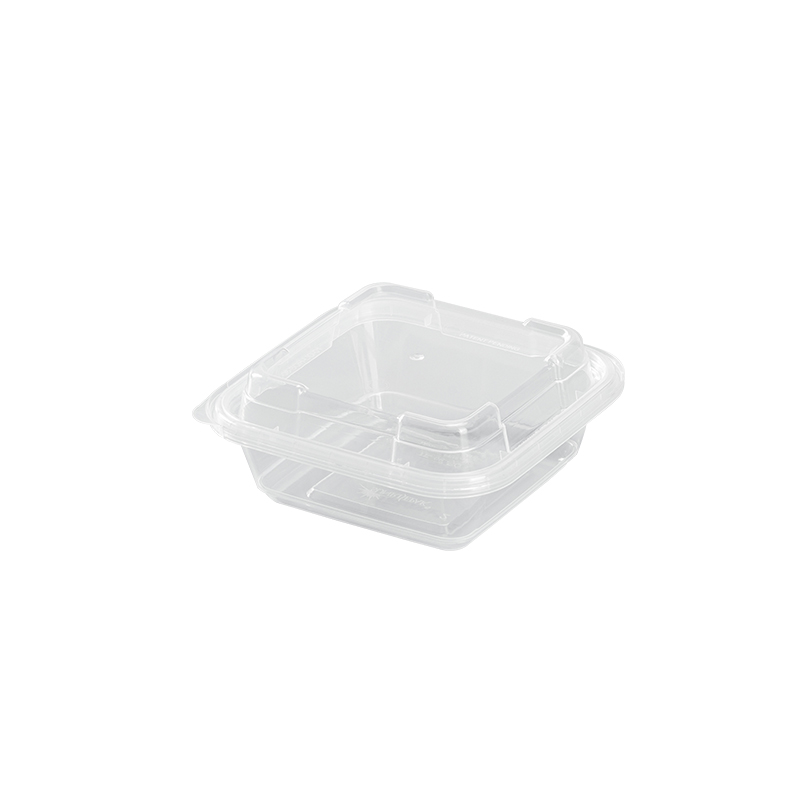
For example, tamper-evident plastic food container lines such as round or square TE-series packs are commonly molded from PP bodies, but the tamper band or dome lid may require removal before heating to prevent pressure buildup.
Featured Disposable Food Container Collection
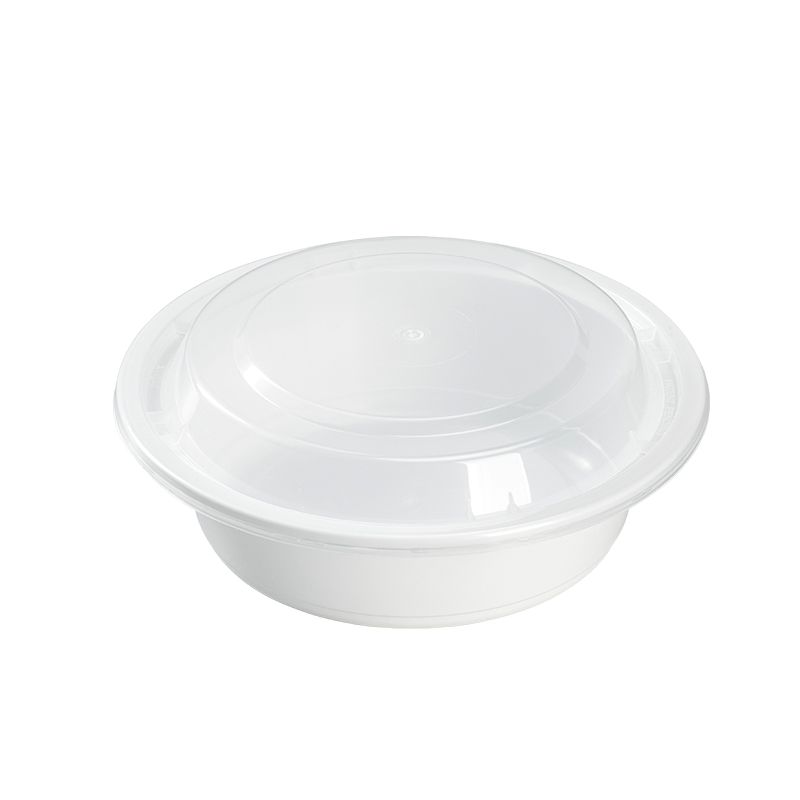
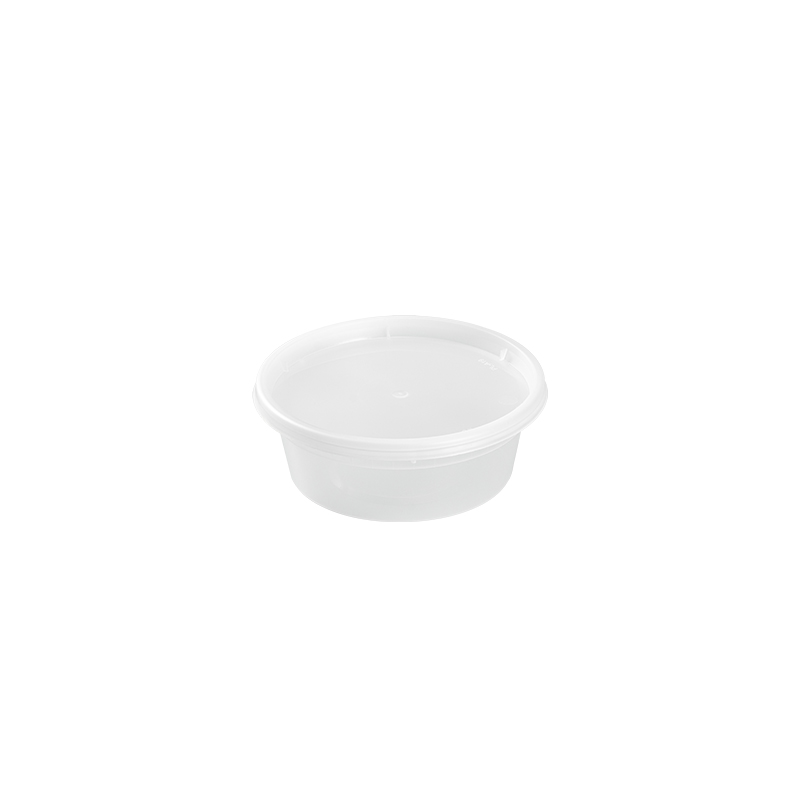
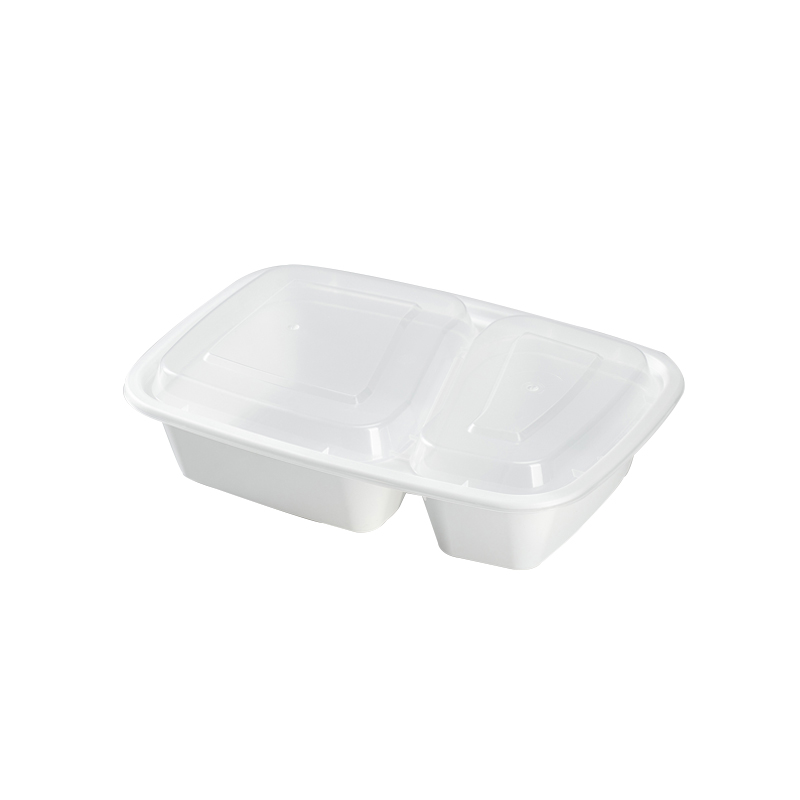
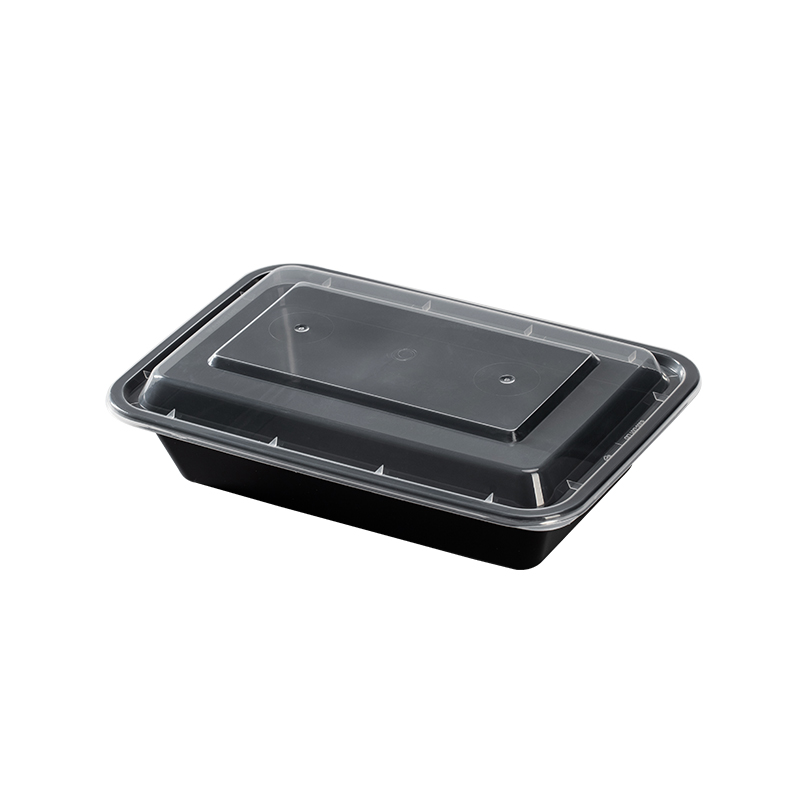
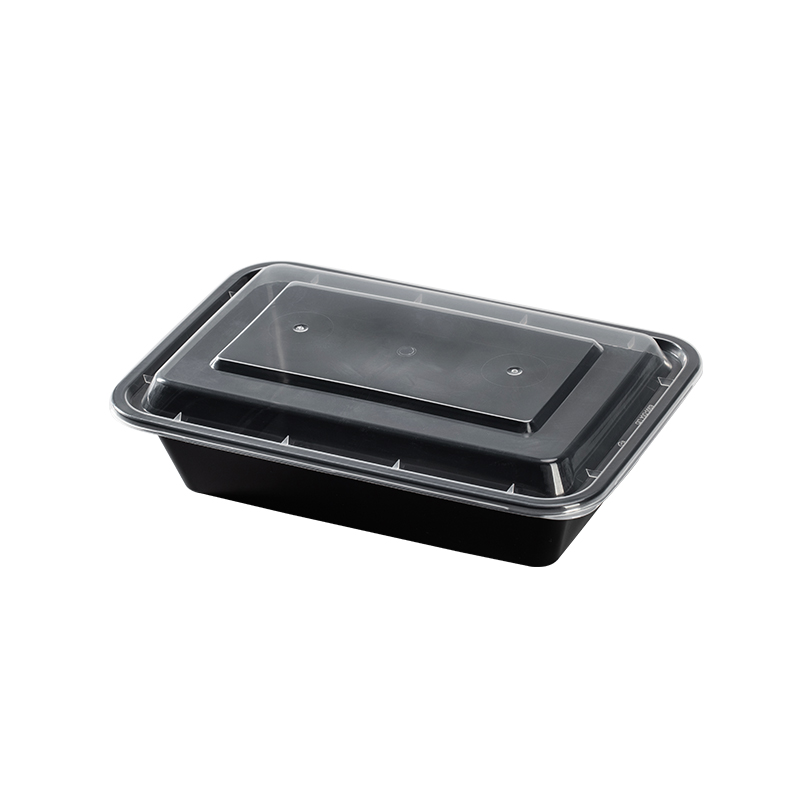
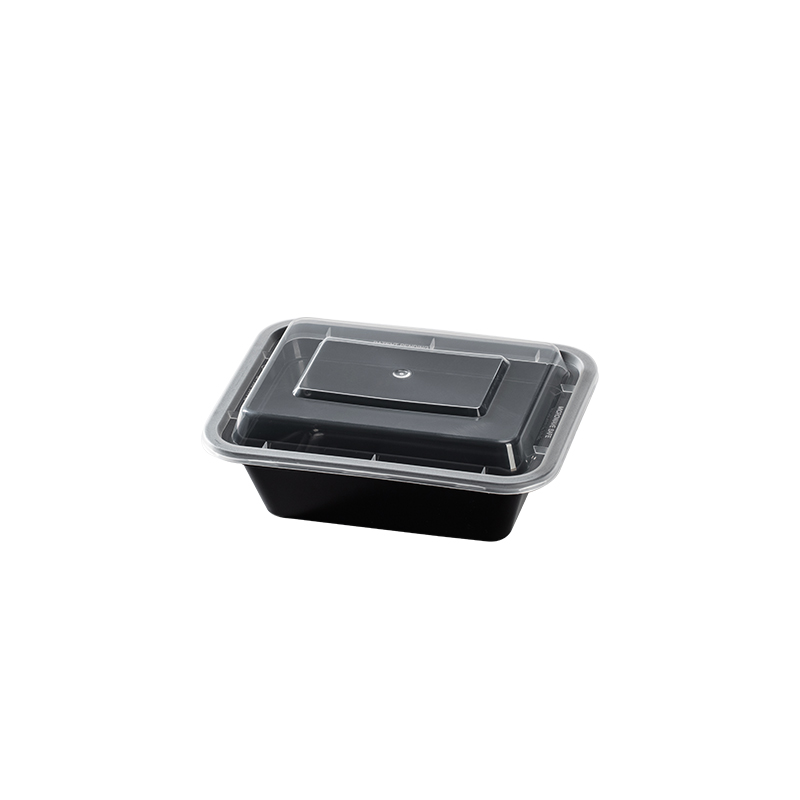
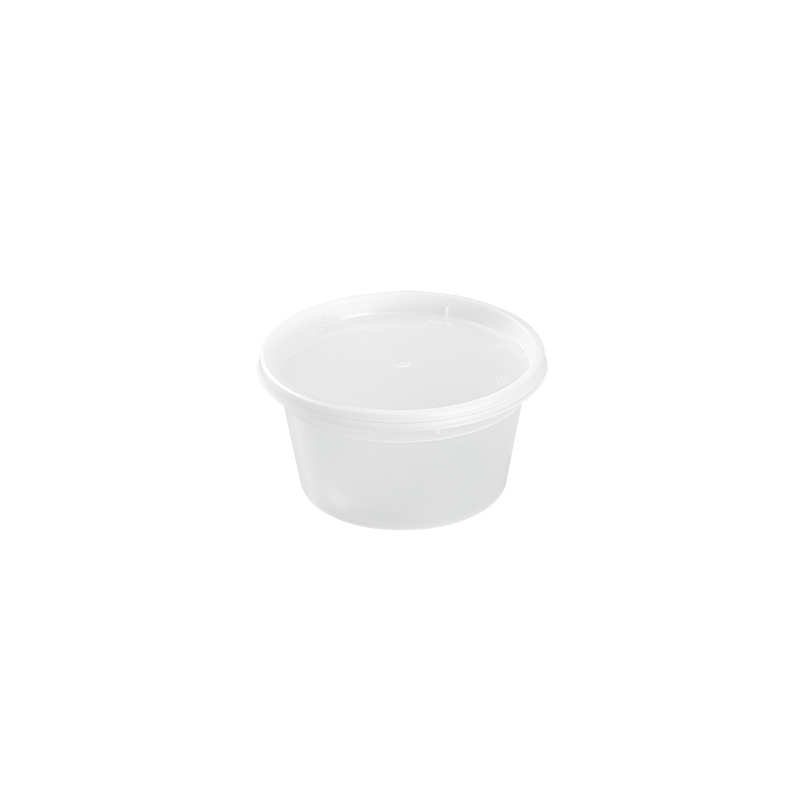
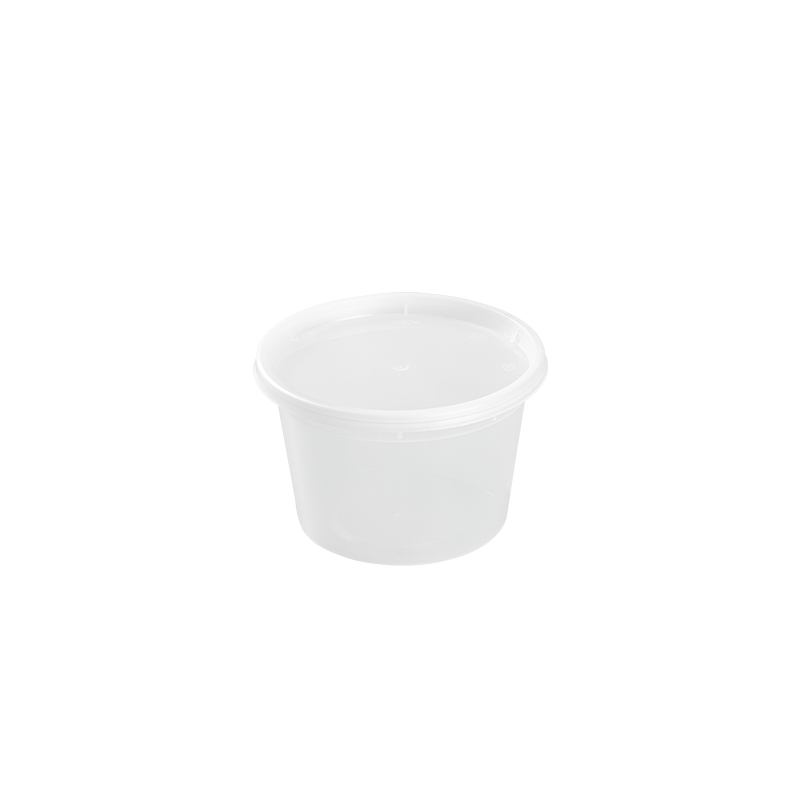
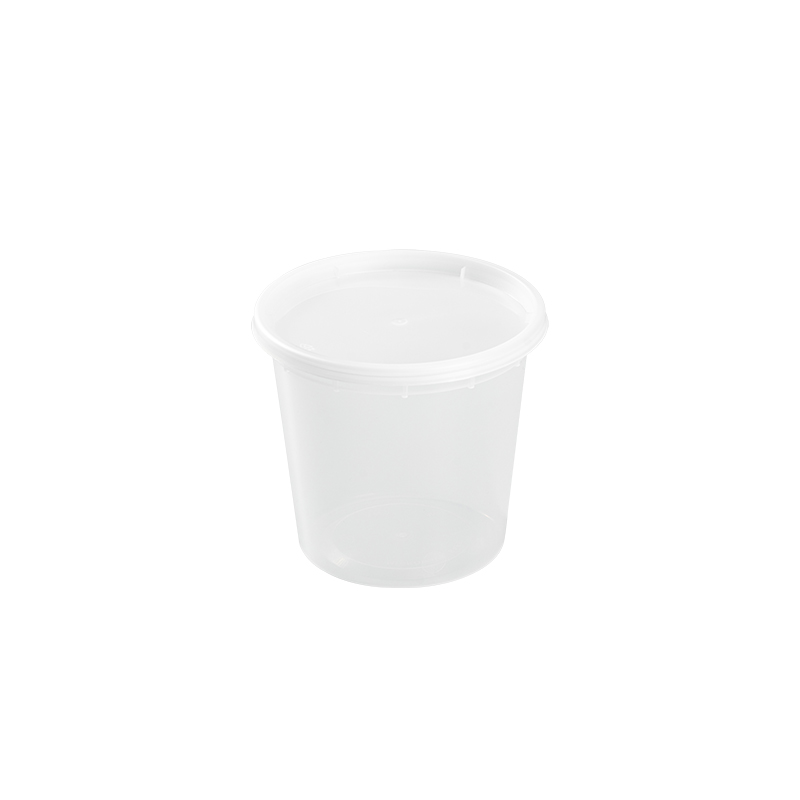
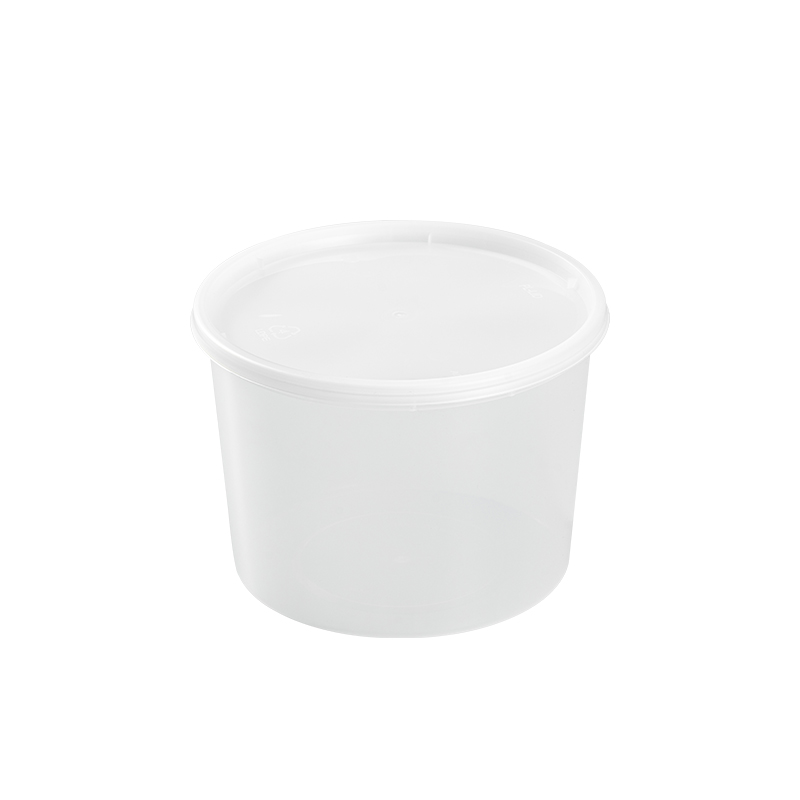
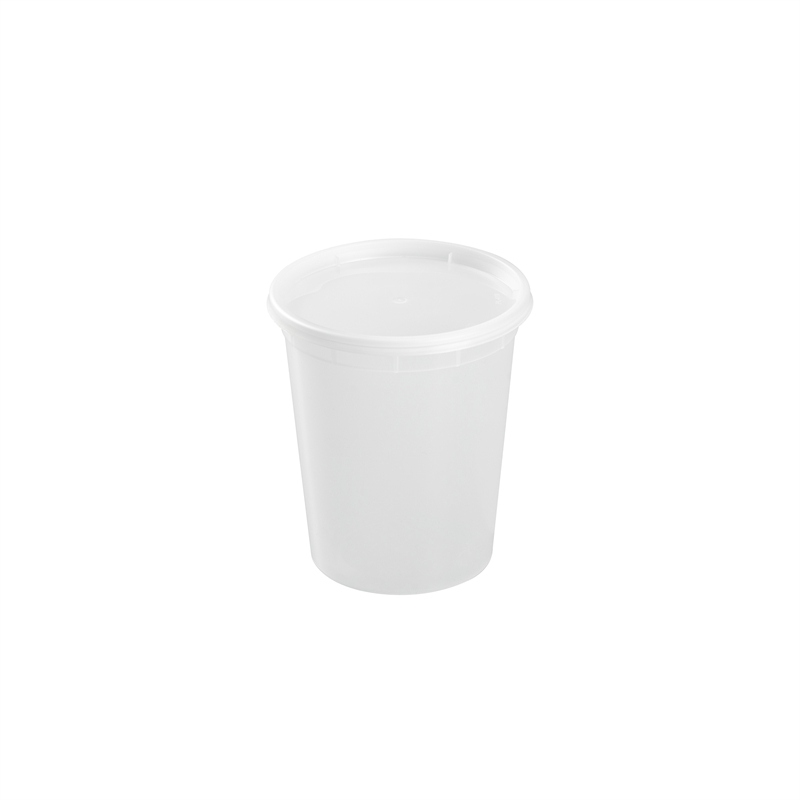
Below is a selection of commonly used disposable packaging formats suited for hot food service, delivery, and portion control.
Popular Food Packaging Solutions
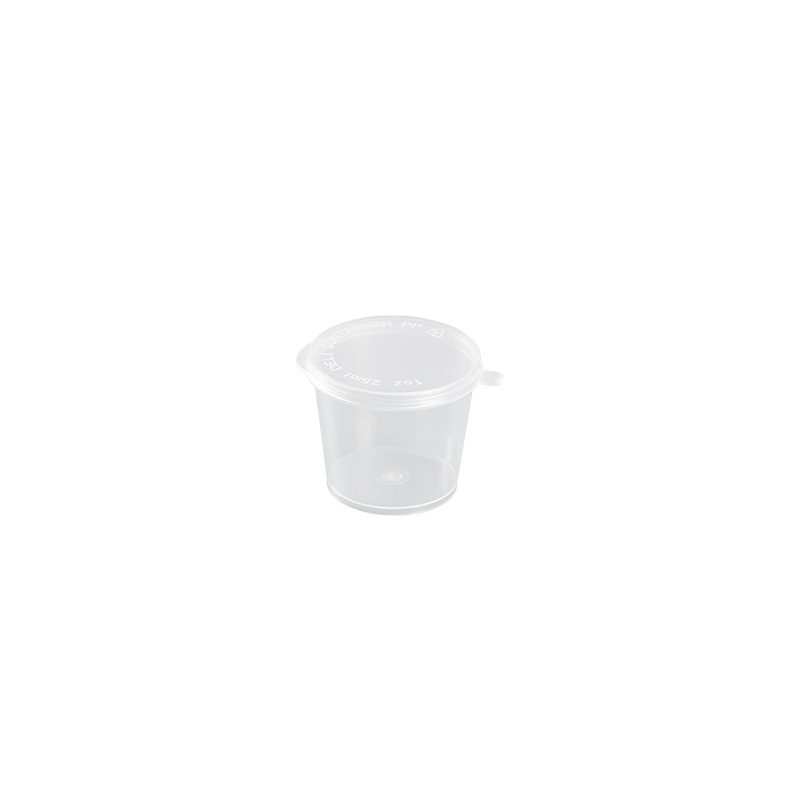
A quick look at container styles frequently chosen for takeaway food container and delivery food container programs.
Best Practices When Reheating Food in Disposable Packaging
Even with a microwave-safe container, correct handling reduces the risk of warping, spills, or uneven heating.
- Vent the lid slightly or leave one corner open to release steam pressure.
- Keep reheating sessions short — 60 to 90 second intervals work well for most 16 to 30 oz portions.
- Avoid microwaving food with high fat or sugar content directly against the container wall, since these can reach higher localized temperatures than the container is rated for.
- Never reheat a compartment container with mixed hot and cold items in a single continuous cycle; heat sections separately when possible.
- Discard any container that shows warping, cloudiness, or a burnt plastic smell after heating, and do not reuse it.
Container Formats Best Suited for Delivery and Reheating
Restaurants and delivery platforms tend to favor a narrow set of formats because they reheat predictably and travel well.
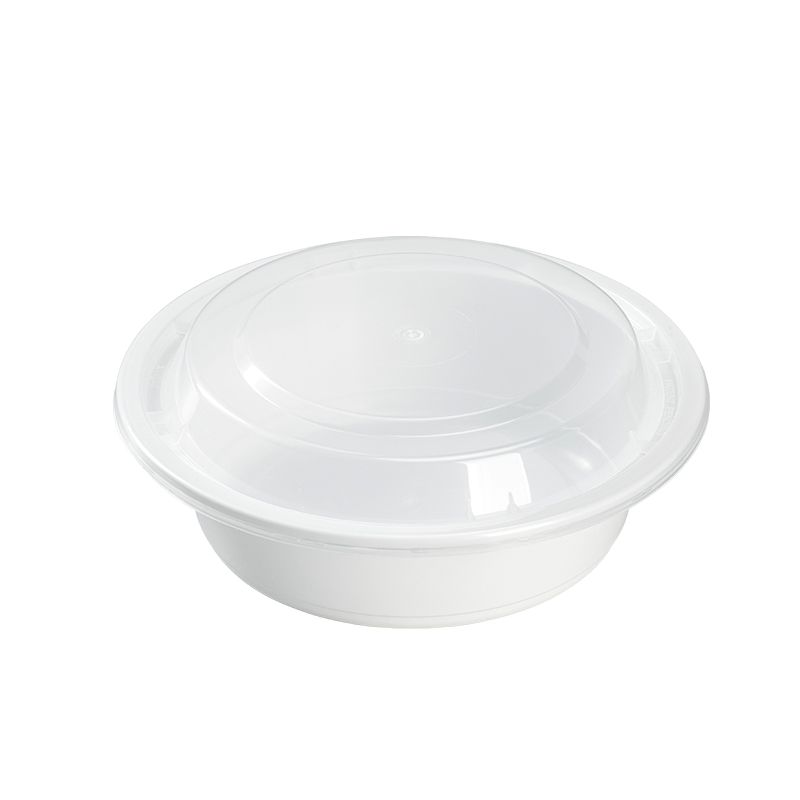
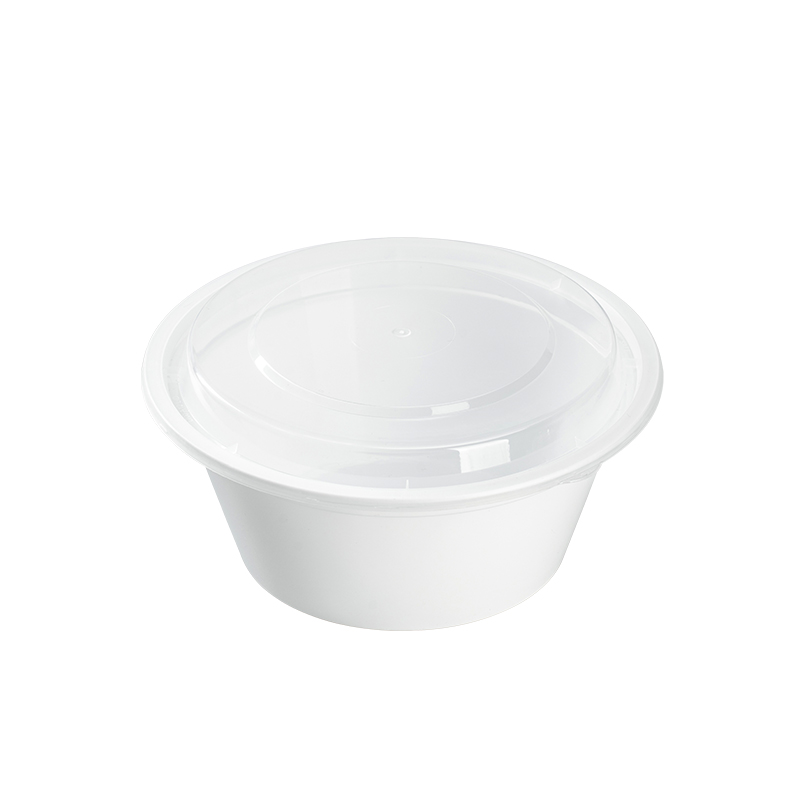
- Rectangular and round PP combo packs are the most common choice for fast food packaging and delivery food container programs, since the base and lid are matched for a consistent seal.
- Plastic compartment containers keep sauces separate during transport and reheating, which helps preserve texture in dishes like rice bowls or combo plates.
- Tamper-evident containers add a safety layer for third-party delivery while still allowing the PP base to be microwaved once the seal is broken.
- Portion cups are typically used for sauces or condiments and are not intended for direct heating.
What About Paper Meal Boxes and Paper-Based Packaging
Paper meal box and paper container products handle microwaving differently than plastic. Most paper food packaging relies on a thin PE or PLA coating to resist grease and moisture. Short, low-power reheating is generally tolerated, but extended microwave cycles can cause the coating to separate or the box to become soggy. For items packed in paper bags, disposable tableware, or paper cups, transferring food to a rated plastic or ceramic dish is the safer option for full reheating.
Common Mistakes to Avoid
| Mistake | Why It Matters |
|---|---|
| Microwaving PS disposable cups or clamshells | Can soften, warp, or leach compounds at moderate heat |
| Leaving foil tamper seals on before heating | Metal in a microwave can cause sparking or fire risk |
| Heating fully sealed containers without venting | Trapped steam can cause the lid to burst open suddenly |
| Reheating one time use containers multiple times | Repeated heat cycles weaken plastic and shorten container life |
For businesses sourcing at scale, working with a supplier that clearly labels PP-based, microwave-appropriate lines makes it easier to standardize kitchen procedures across an entire disposable packaging inventory, from takeaway boxes to disposable tableware sets.
Share:
Related Products

We are very glad that you came to JIEYU to purchase or customize, and we are confident to provide you with quality products and services.

We are committed to developing innovative, reliable, economical, and environmentally friendly disposable and reusable food service products for our customers.

No.199 Liansheng Road, Coast Business Center, Yinzhou District, Ningbo, Zhejiang, China

+86-18106622299

jay@jieyuplast.com
