
 English
  中文简体
中文简体


Securing Your Food: The Essential Guide to Plastic Containers
Jul 17, 2026
Content
A good plastic food container has to do three things at once: keep food sealed during transport, survive stacking and reheating, and cost little enough to use once and throw away. For most delivery and takeaway operations, that means a polypropylene container with a snap-fit or tamper-evident lid rated for at least 200 degrees Fahrenheit in the microwave. The right shape, size, and lid style depend on what is being packed — soups need a different seal than a rectangular meal box, and a fast food packaging line needs different economics than a sit-down restaurant doing delivery food container orders.
Why the Container Choice Affects the Whole Meal
A takeaway food container is not just packaging — it is the last thing standing between a kitchen and a customer's table. Weak seams leak sauce into delivery bags, thin walls warp under hot rice or noodles, and mismatched lids pop open during a bike ride. Restaurants that switch to properly rated disposable food container lines typically see fewer refund requests tied to spilled or cold food, because the container holds heat and pressure the way it was designed to.
Three factors decide whether a container performs well in daily use:
- Wall thickness and rigidity, which determine whether the box survives stacking in a delivery bag
- Lid fit, whether it is a combo snap lid, a tamper-evident seal, or a ripple-edge lock
- Resin type, which controls heat resistance, clarity, and whether the container is microwave safe
Matching Container Types to the Food You Serve
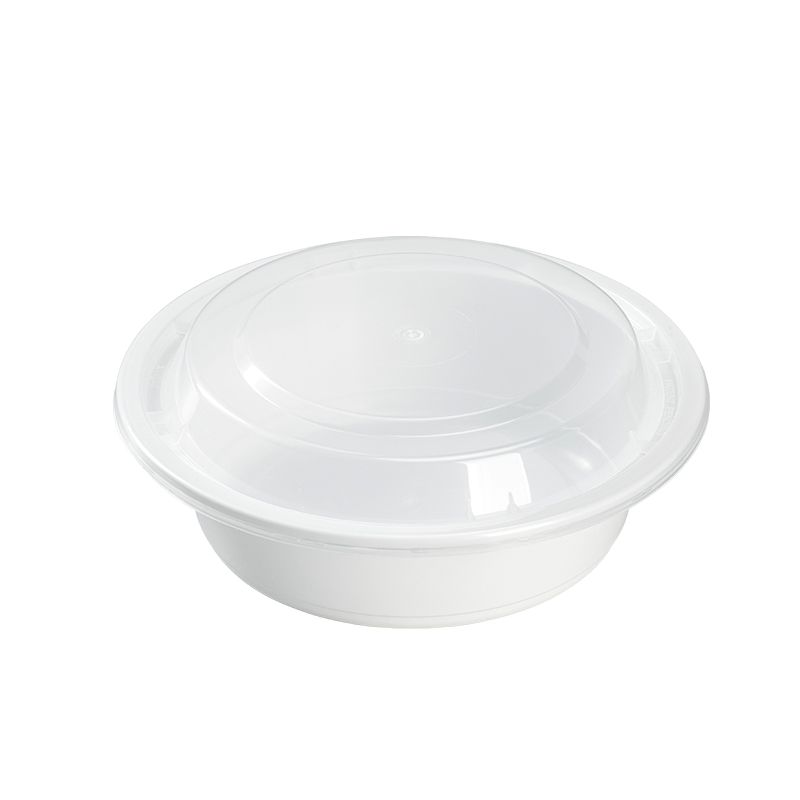
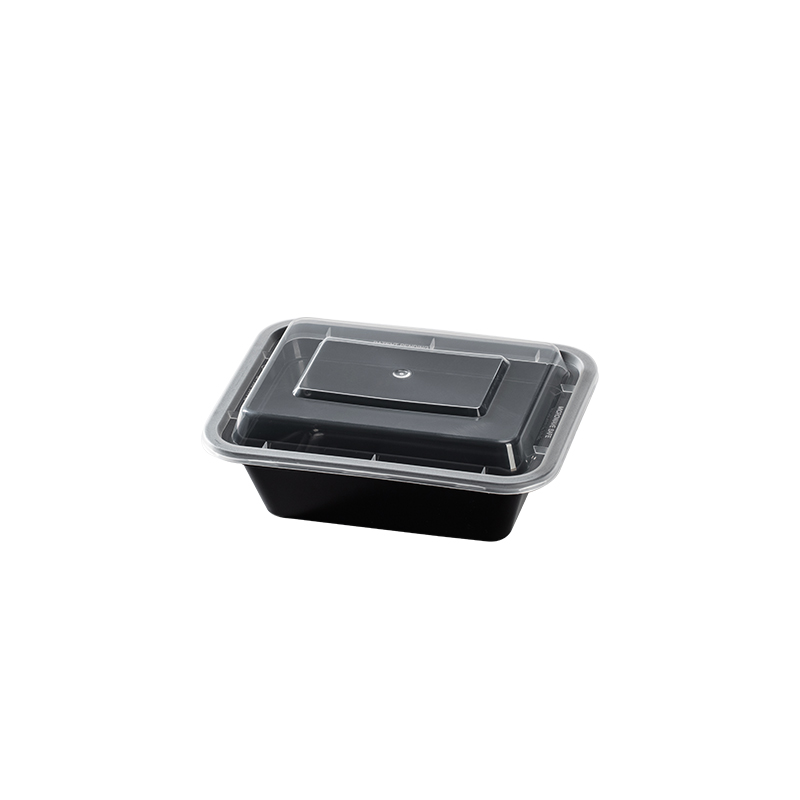
Plastic food containers are not one product — they are a family of shapes built for different jobs. The table below breaks down the common formats used across delivery, catering, and fast food packaging operations.
| Container Type | Best For | Typical Capacity |
| Round container | Rice bowls, salads, single-portion meals | 8 to 50 oz |
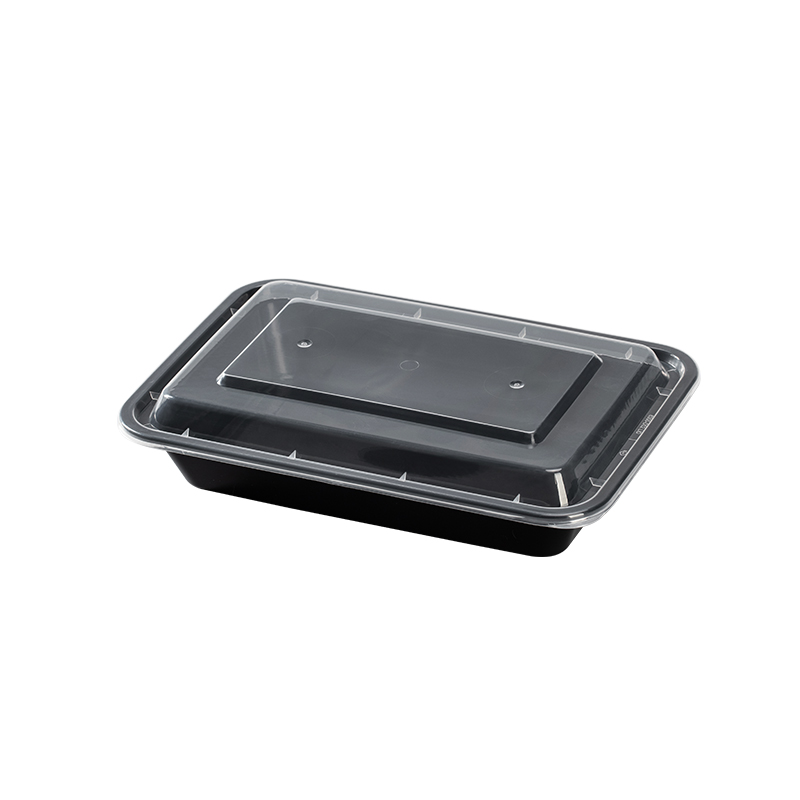
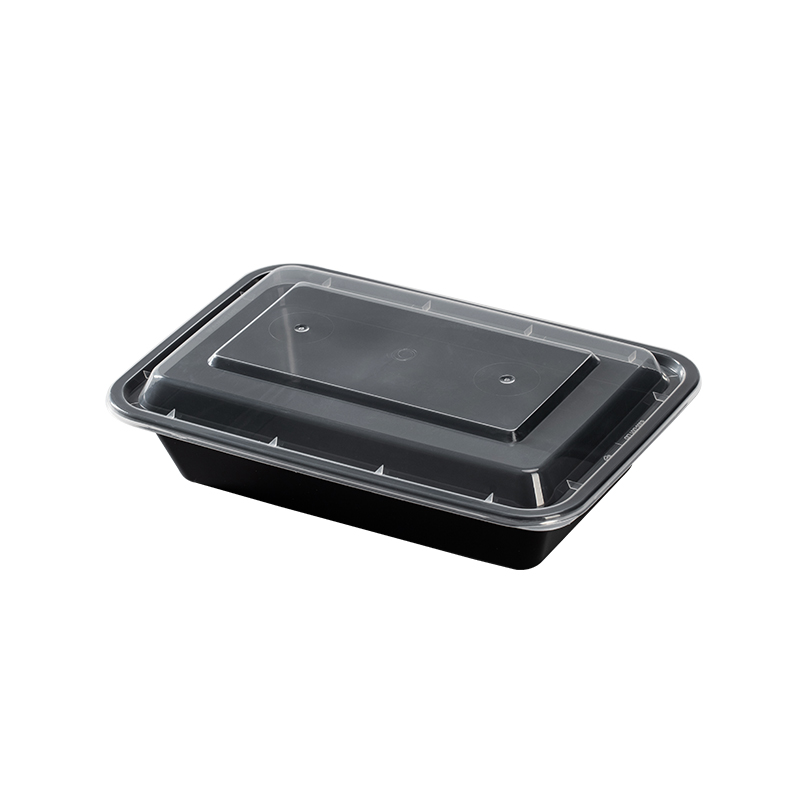
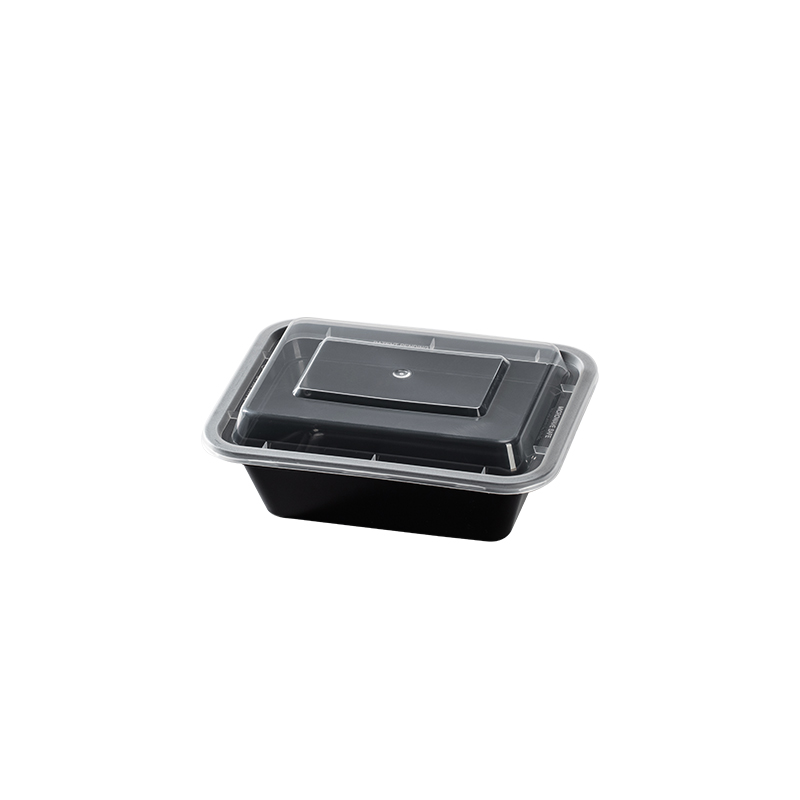
| Rectangular container | Stir-fry, sandwiches, meal-prep boxes | 13 to 190 oz |
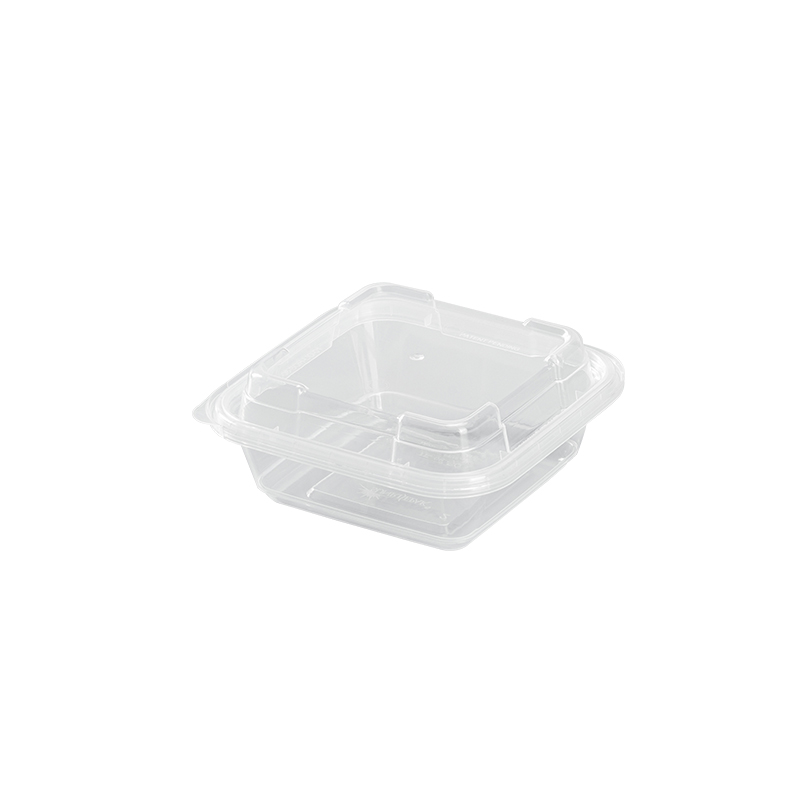
| Tamper-evident container | Third-party delivery orders needing proof of an unopened seal | 8 to 500 oz |
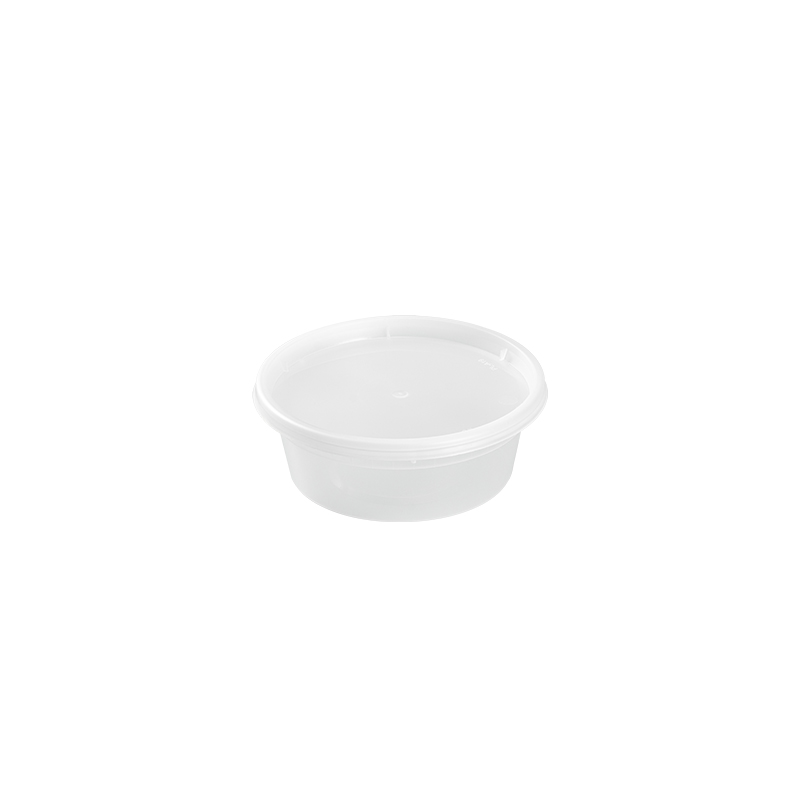
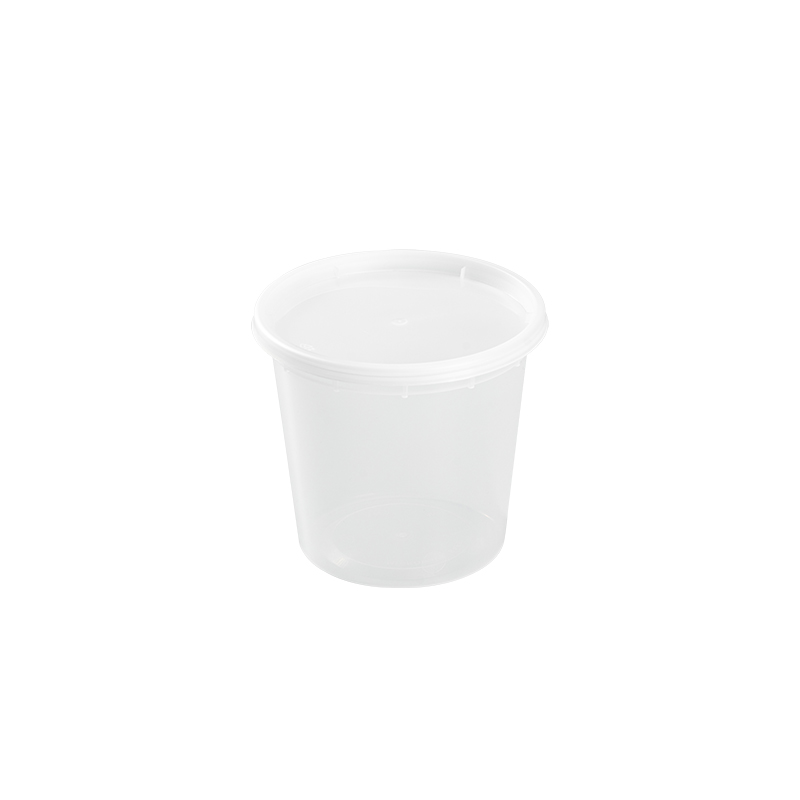
| Soup container | Broths, stews, and other liquid-heavy dishes | 8 to 80 oz |
| Compartment container | Combo meals that keep sauces and sides separate | 2 to 6 compartments |
| Portion cup | Dips, dressings, condiments | 1 to 5.5 oz |
For orders placed through delivery apps, a tamper-evident lid is worth the small cost increase — it reassures the customer the box was not opened between the kitchen and the door, and it reduces disputes over missing items.
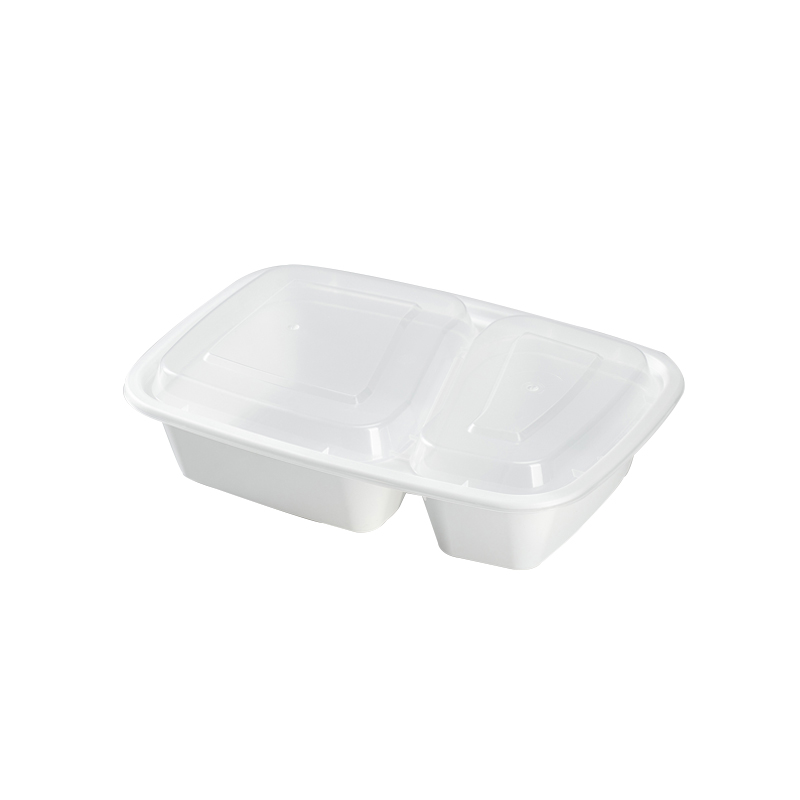
Plastic Food Container Product Line
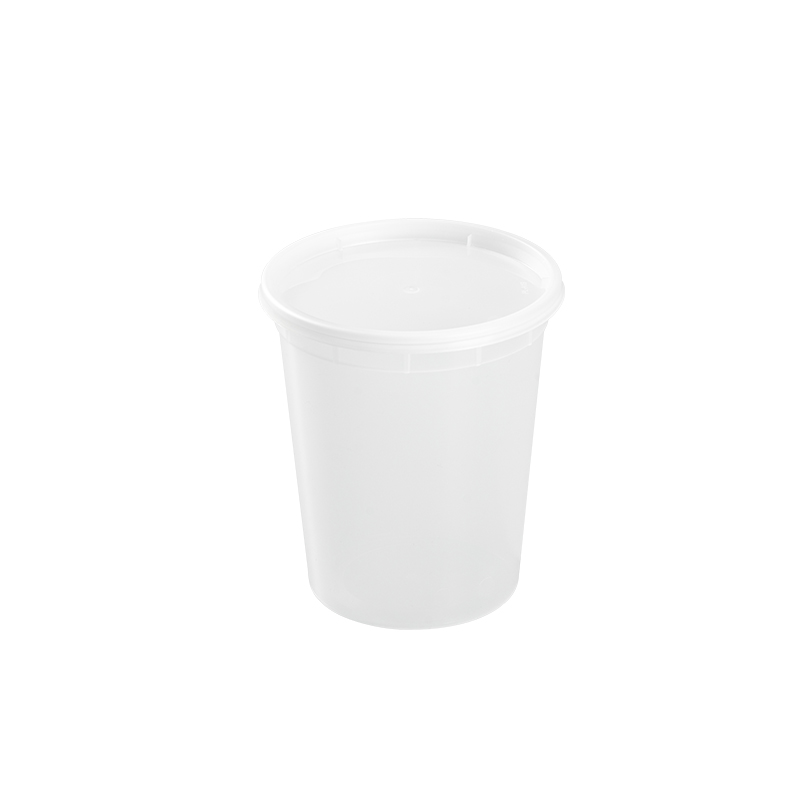
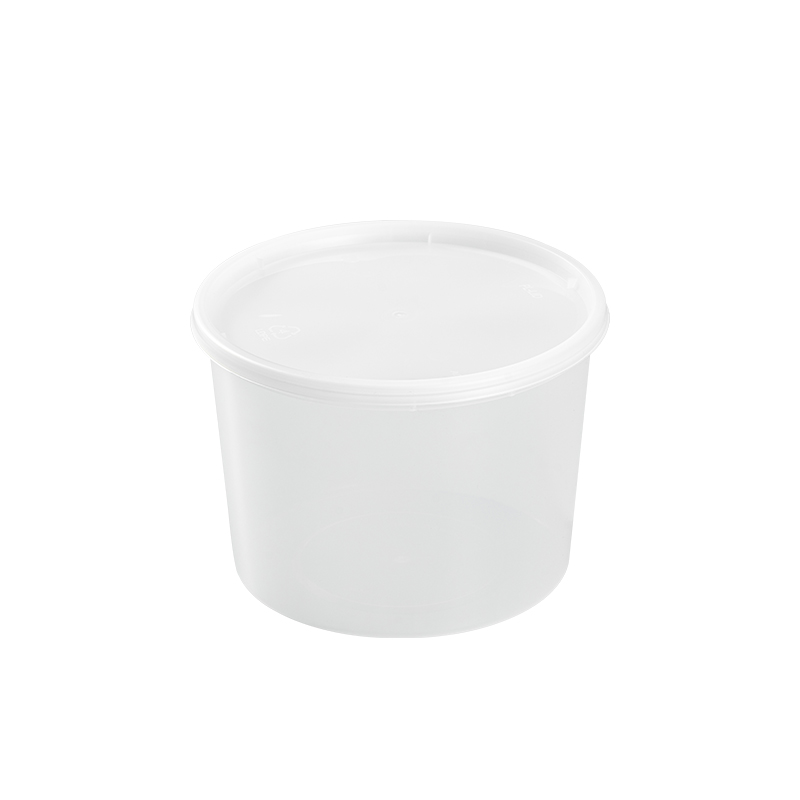
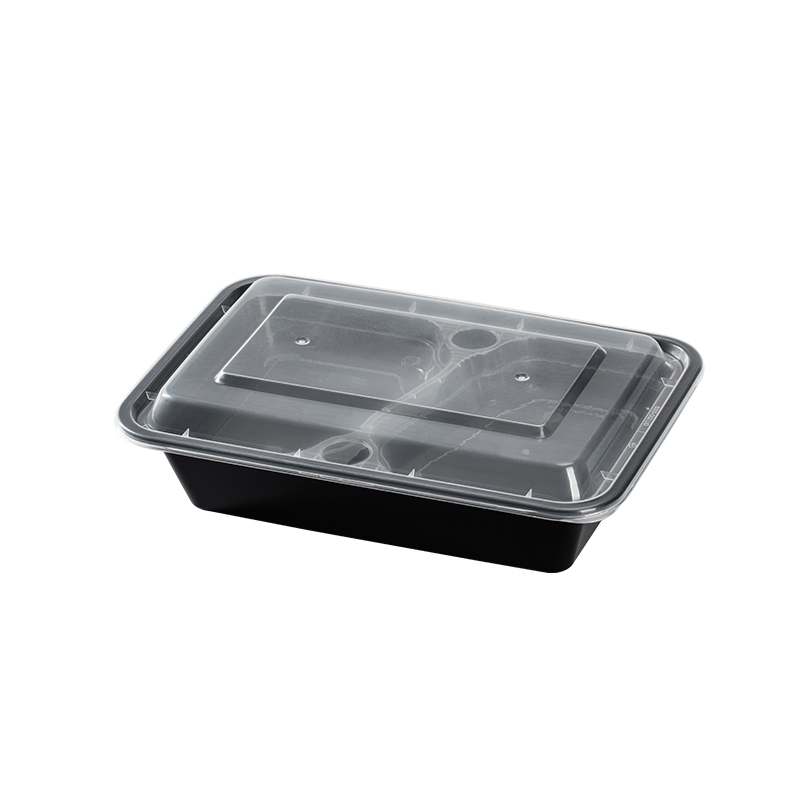
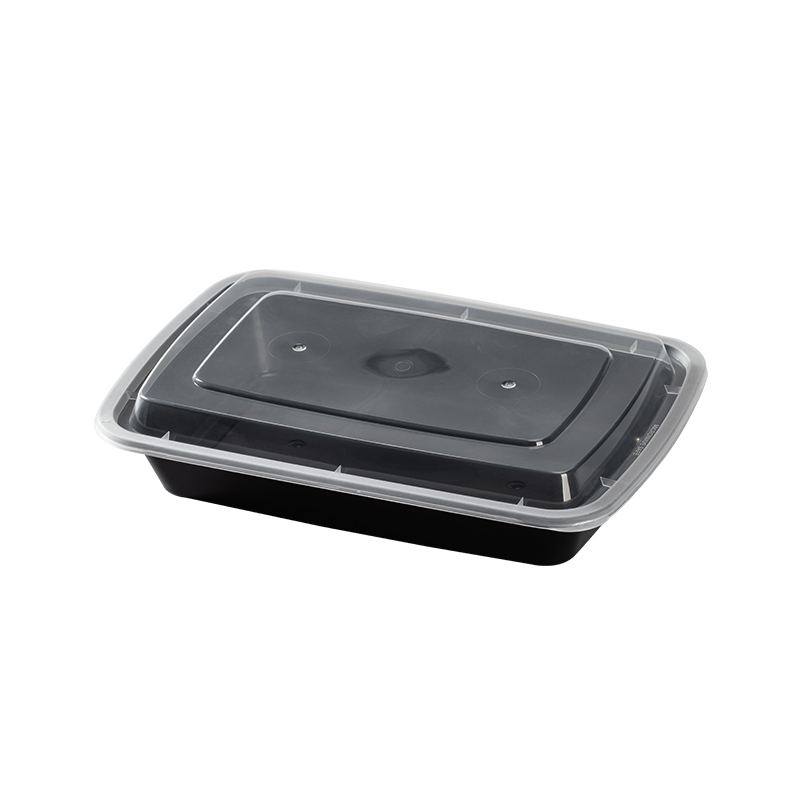
A quick look at the core shapes available for restaurants, caterers, and food packaging box distributors sourcing disposable packaging at scale.
Resin Types and What They Mean for Food Safety
Not every plastic behaves the same way once it touches hot, oily, or acidic food. Choosing the correct resin is the single biggest factor in whether a container stays safe through the whole delivery chain.
| Resin | Common Use | Heat Tolerance |
| Polypropylene (PP) | Microwaveable lunch boxes, hot food bowls | Up to around 250 degrees Fahrenheit |
| PET | Cold drink cups, salad containers, plastic cup lines | Not recommended for hot food |
| HDPE | Sauce bottles, sturdy storage tubs | Moderate, good chemical resistance |
| Polystyrene (PS) | Disposable cup lids, light-duty trays | Low, not for hot liquids |
If a menu regularly includes items served hot out of a fryer or steamer, PP is generally the safer default across the whole line — from the main food packaging box down to the disposable tableware placed alongside it.
Plastic, Paper, or Disposable Cup — Choosing the Right Format
Operators often mix formats rather than committing to one material across the entire menu. A common setup looks like this:
- Plastic containers for hot entrees, noodles, and anything reheated in a microwave
- A paper meal box for dry items such as fries, fried chicken, or baked goods where grease drainage matters
- A disposable cup or Plastic Cup for cold beverages, smoothies, and iced drinks
- One time use containers with compartments for combo platters that need sauce separation
Mixing formats this way keeps unit costs lower than forcing every item into the same heavy-duty container, while still matching each dish to packaging that actually protects it.
Practical Tips for Bulk Purchasing
Buyers sourcing containers for a chain, cloud kitchen, or catering business usually save the most by planning purchases around a few practical rules rather than buying whatever is cheapest per unit.
- Standardize on two or three sizes instead of ten — fewer SKUs simplify storage and reduce waste from overstock
- Request combo packs where the base and lid are sold together to avoid mismatched seals
- Check stack height before ordering — taller containers can reduce how many fit per delivery bag or storage shelf
- Ask suppliers for mold development options if a signature dish needs a custom compartment layout
A mid-size restaurant group moving from mixed suppliers to a single standardized disposable food container range typically reports fewer packaging failures during transit, simply because every lid on the line is built to fit its matching base.
Quick Answers on Common Container Questions
Are plastic containers microwave safe? Only if made from polypropylene and labeled for microwave use — polystyrene and PET containers should not go in the microwave.
Can the same container handle both hot and cold food? PP containers generally handle both, but very cold freezing followed by microwave reheating should be checked against the specific product rating.
Is tamper-evident packaging worth the extra cost for small orders? For any order going through a third-party delivery platform, yes — it reduces disputes and builds customer trust in the seal.
Share:
Related Products

We are very glad that you came to JIEYU to purchase or customize, and we are confident to provide you with quality products and services.

We are committed to developing innovative, reliable, economical, and environmentally friendly disposable and reusable food service products for our customers.

No.199 Liansheng Road, Coast Business Center, Yinzhou District, Ningbo, Zhejiang, China

+86-18106622299

jay@jieyuplast.com
