
 English
  中文简体
中文简体


Disposable Food Container Trends 2026: Buyer Guide
Jul 31, 2026
Content
- 1 How Fast Is the Disposable Packaging Market Growing
- 2 Comparing Materials for Food Packaging Box Applications
- 3 Regulatory Pressure Is Reshaping Sourcing Decisions
- 4 What Buyers Prioritize When Choosing a Supplier
- 5 Product Range for Takeaway and Delivery Packaging
- 6 A Practical Checklist for Selecting One Time Use Containers
- 7 Sourcing Takeaway Food Container and Disposable Tableware From China
The global market for disposable food containers and related fast food packaging is growing steadily, with foodservice disposable packaging expected to rise from roughly 79 billion USD in 2026 to over 100 billion USD by 2031. The growth is driven by three forces working together: the continued expansion of food delivery, tighter food-contact material regulations in North America and Europe, and rising demand for paper meal box and other fiber-based alternatives alongside traditional plastic packaging. Buyers sourcing takeaway food container, disposable cup, or disposable tableware in bulk should prioritize suppliers that combine food-grade material compliance, mold development capability, and stable production capacity.
How Fast Is the Disposable Packaging Market Growing
Demand for delivery food container and disposable packaging formats has moved from a seasonal spike to a permanent baseline of foodservice operations. Industry research places the global foodservice disposable packaging market at close to 79 billion USD in 2026, expanding at a compound annual growth rate near 5.4 percent through 2031. Asia-Pacific alone accounts for roughly 42 percent of global revenue, supported by fast-growing quick-service restaurant chains and dense delivery networks in China, Southeast Asia, and India.
Estimated global foodservice disposable packaging market value in billions USD, 2026 to 2031
Comparing Materials for Food Packaging Box Applications
Buyers evaluating a disposable food container program usually compare three material families: polypropylene plastic, PET, and fiber-based paper. Each performs differently across temperature resistance, cost, and sustainability positioning, which is why most catering and delivery operators now stock more than one format rather than standardizing on a single material.
| Material | Typical Use | Heat Resistance | Best Fit |
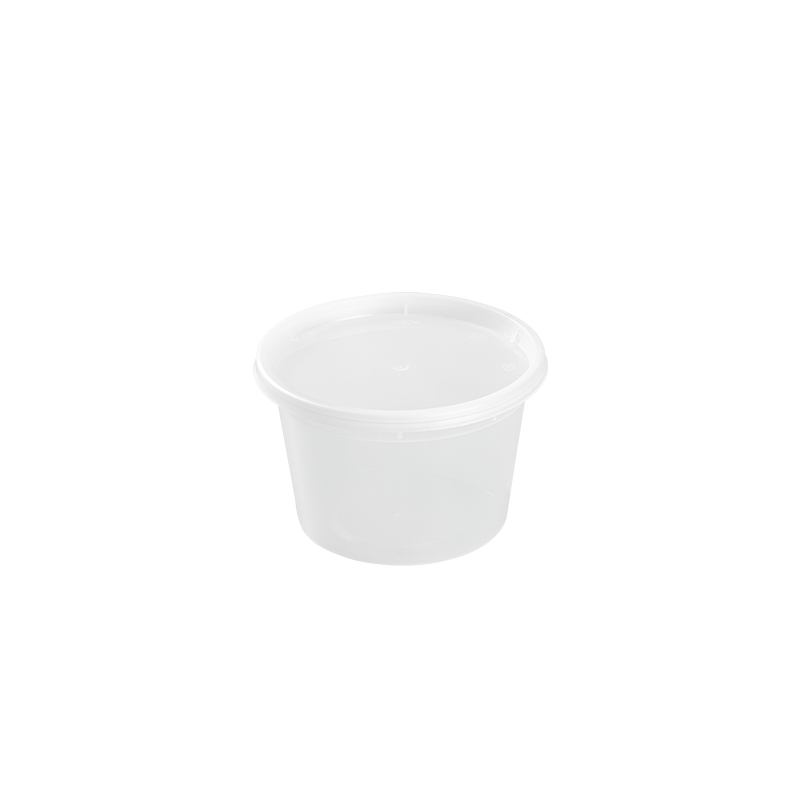
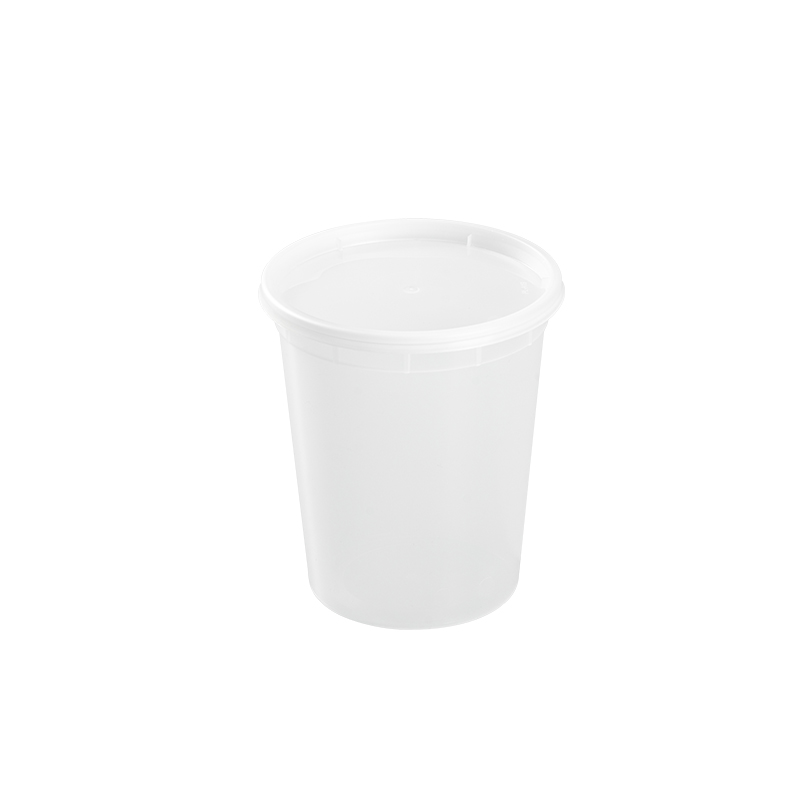
| PP Plastic Container | Soup, hot meals, compartment trays | Up to about 130 C | Takeaway food container, reheating |
| PET Cup / Plastic Cup | Cold drinks, iced beverages, desserts | Low, cold-use only | Disposable cup programs |
| Paper / Kraft Board | Paper meal box, salad and sandwich box | Moderate, needs coating for liquids | Sustainability-focused menus |
Industry data shows plastics still account for close to 60 percent of disposable food packaging by material share, while trays and containers remain the single largest product category at roughly 27 percent of the market.
Regulatory Pressure Is Reshaping Sourcing Decisions
Buyers in the United States and European Union are under growing pressure to document the compliance of every disposable packaging item they purchase. This shift is one of the clearest industry trends affecting fast food packaging procurement in 2026.
- EU food-contact material rules increasingly require full traceability of resin origin and migration testing for items touching hot food.
- Several US states continue to expand restrictions on specific plastic formats, pushing operators toward paper meal box and fiber alternatives for certain menu items.
- Retailers and delivery platforms are asking suppliers for BPA-free declarations and third-party lab reports as a standard part of onboarding.
- Compostable and biodegradable formats are the fastest-growing segment of the market, expanding at close to 9 percent per year, well above the category average.
What Buyers Prioritize When Choosing a Supplier
- Food safety compliance and certification, 34 percent
- Price stability and MOQ flexibility, 26 percent
- Lead time and production capacity, 22 percent
- Sustainable material options, 18 percent
Survey-style breakdown of the factors foodservice and distribution buyers weigh most heavily when selecting a disposable tableware or one time use containers supplier.
Product Range for Takeaway and Delivery Packaging
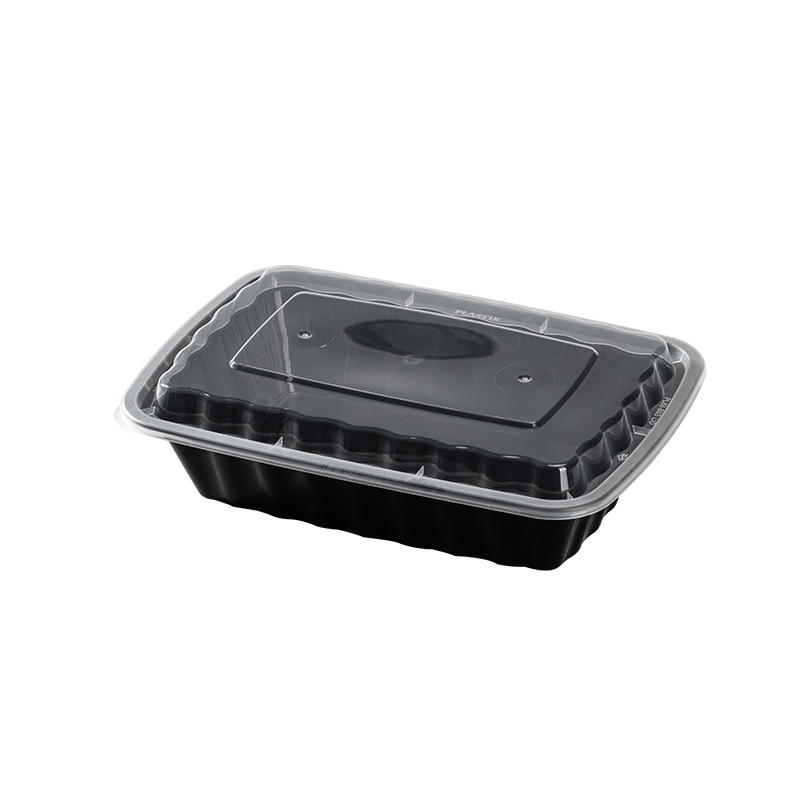
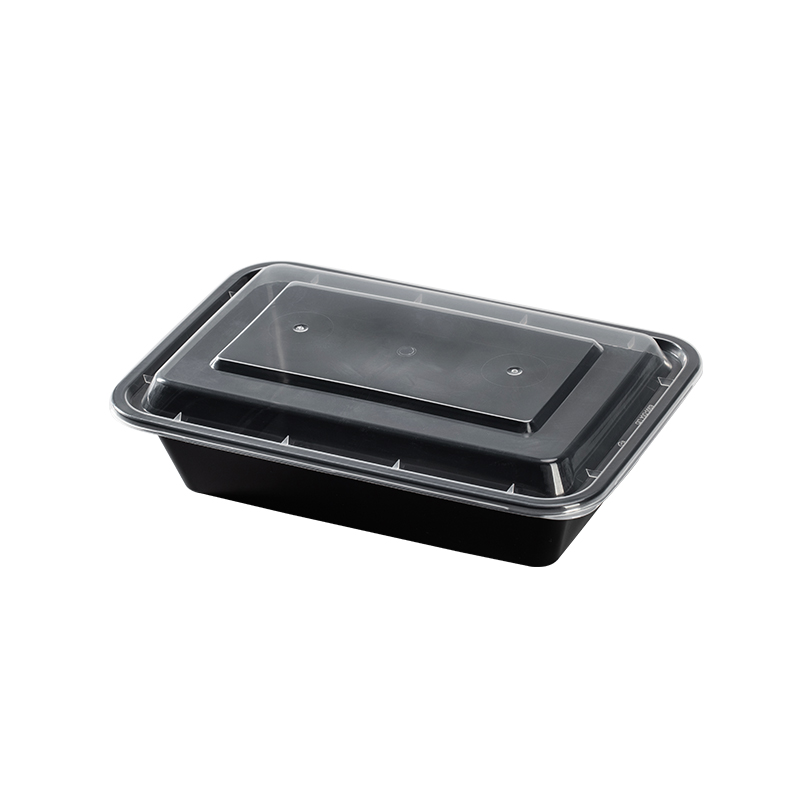
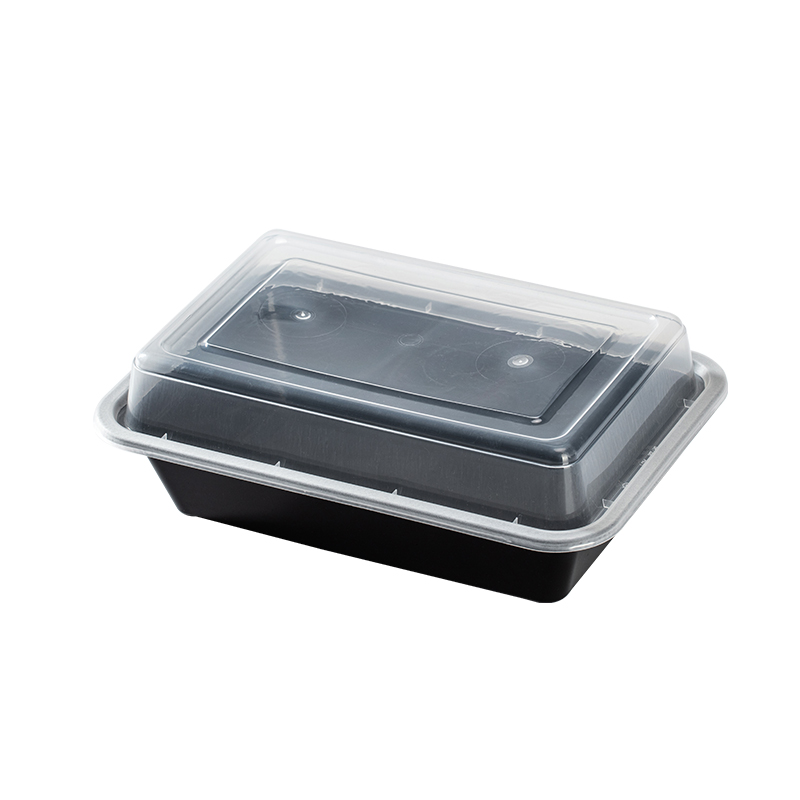
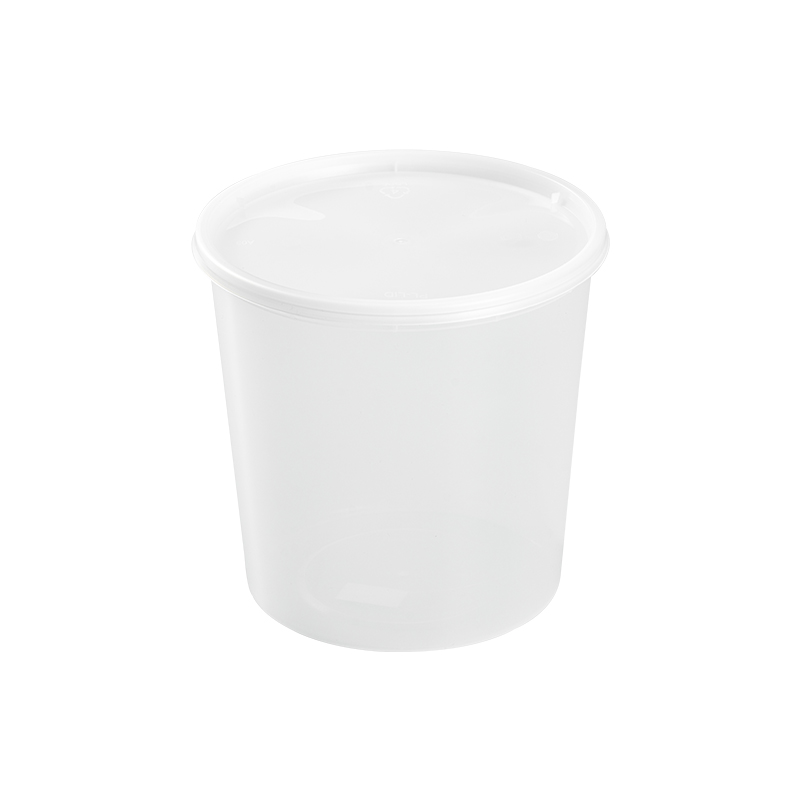
Operators building a full disposable packaging program typically need more than one product family to cover hot food, cold drinks, and cutlery in a single order.


A Practical Checklist for Selecting One Time Use Containers
Confirm the resin or fiber grade is certified food-contact safe for the intended temperature range, hot or cold.
Match container size and shape to the menu, using combo packs or compartment trays where portion control matters.
Check leak resistance and stacking strength for delivery food container use, since transport handling is rougher than dine-in service.
Ask for supporting lab reports, such as SGS or BPI certification, before placing a first bulk order.
Sourcing Takeaway Food Container and Disposable Tableware From China
China remains the largest production base for disposable food packaging, supplying a wide range of formats from plastic soup containers to paper straw and paper bag lines. Buyers sourcing from Chinese manufacturers generally see three advantages that support long-term supply agreements.
Manufacturers with in-house mold development, multiple material lines, and food safety certification such as BRCGS give buyers a single sourcing point for plastic containers, PET cups, paper boxes, and cutlery, reducing the coordination cost of working with several separate suppliers for one packaging program.
Share:
Related Products
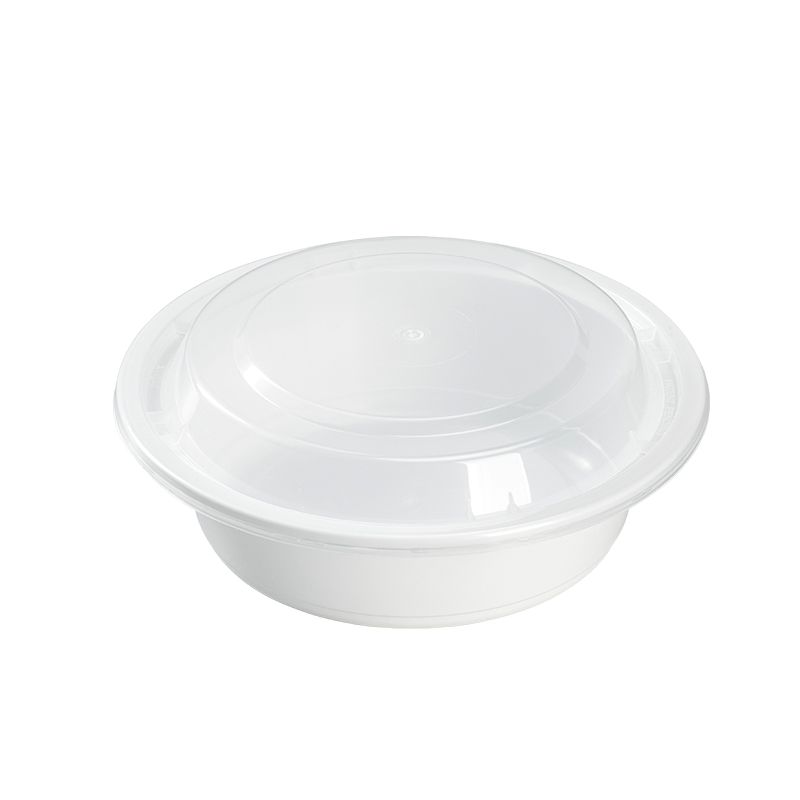
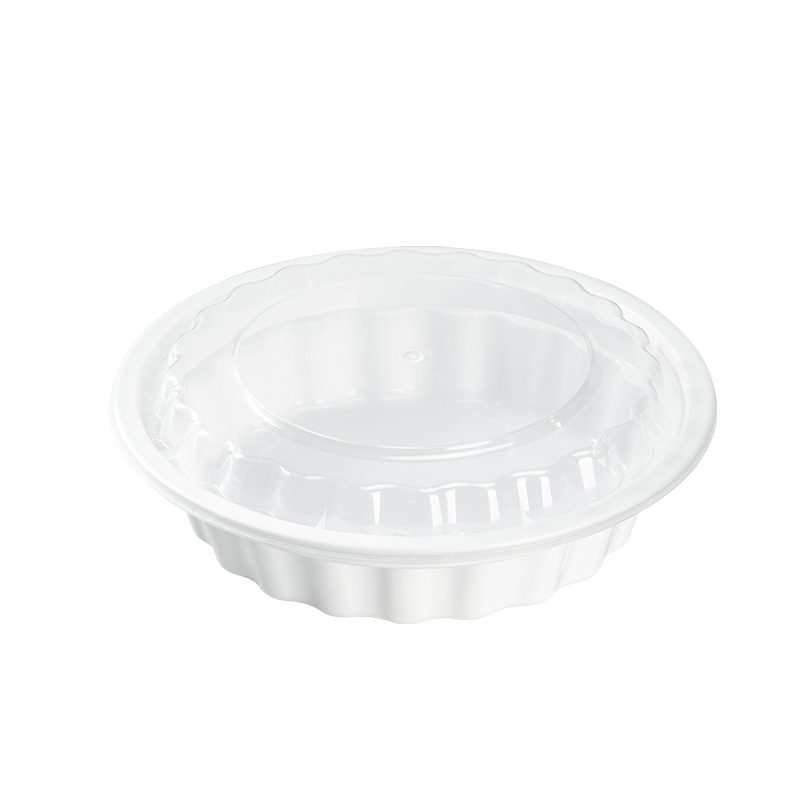
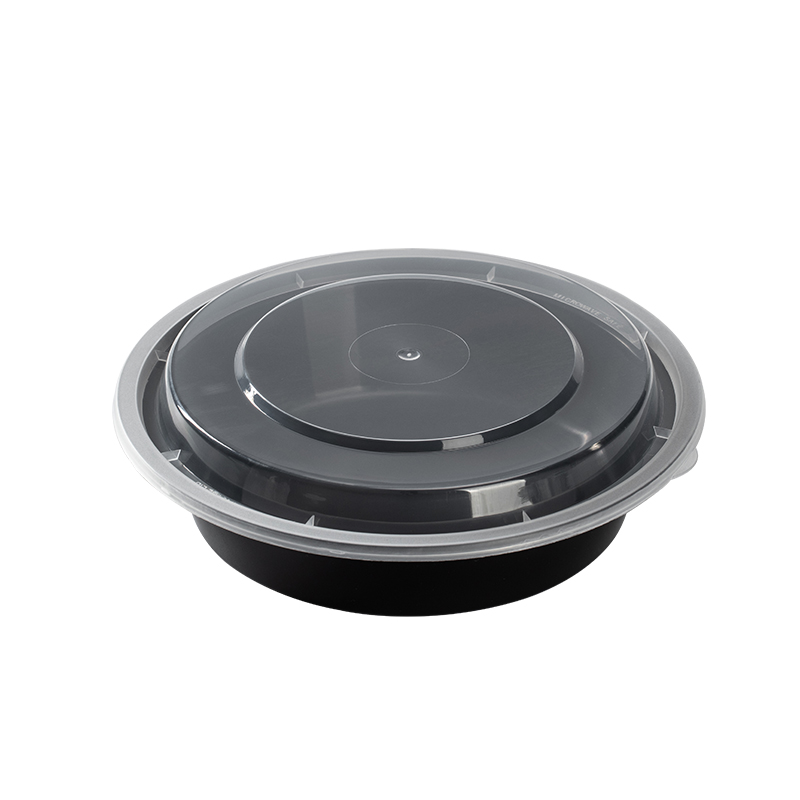
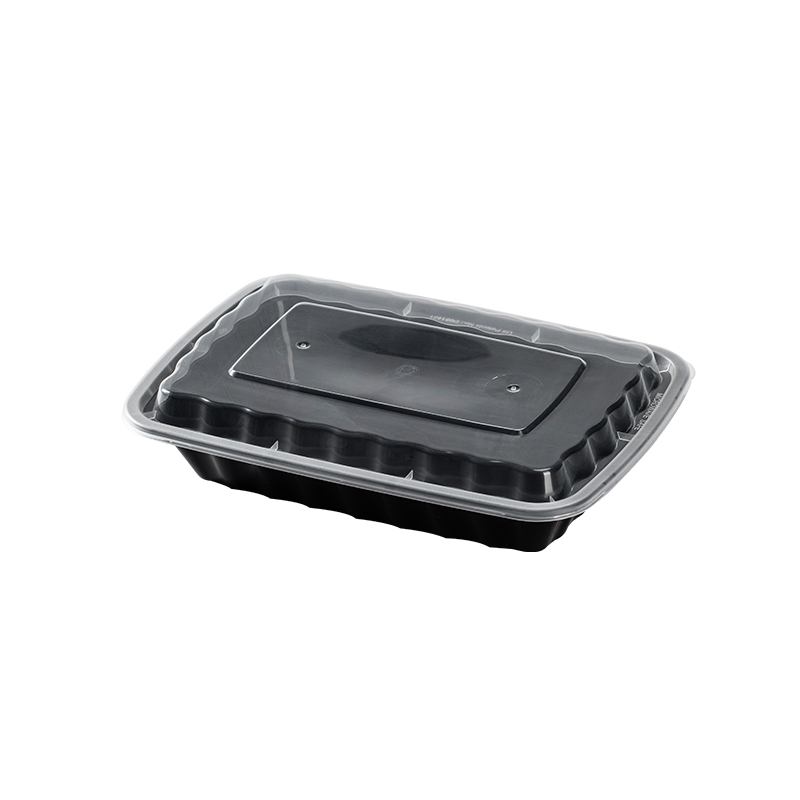
We are very glad that you came to JIEYU to purchase or customize, and we are confident to provide you with quality products and services.

We are committed to developing innovative, reliable, economical, and environmentally friendly disposable and reusable food service products for our customers.

No.199 Liansheng Road, Coast Business Center, Yinzhou District, Ningbo, Zhejiang, China

+86-18106622299

jay@jieyuplast.com
