
 English
  中文简体
中文简体


Is It Safe to Store Food in Plastic Containers in the Fridge?
Jul 24, 2026
Content
- 1 Which Plastics Are Actually Fridge Safe
- 2 What Actually Happens to Plastic in Cold Temperatures
- 3 Common Container Types and Fridge Performance
- 4 Fridge-Ready Container Collection
- 5 How to Store Food in Plastic Containers Safely
- 6 Disposable vs Reusable Containers for Fridge Storage
- 7 Signs a Plastic Container Should Be Retired
Yes, storing food in plastic containers in the fridge is safe, as long as the containers are made from food-grade plastic such as polypropylene (PP) or high-density polyethylene (HDPE), are undamaged, and are cleaned regularly. Refrigeration temperatures are low and stable, which means there is minimal risk of chemical migration from a properly manufactured container into your food. The real risks come from cracked containers, non-food-grade plastic, or reusing containers built for a single trip from the takeaway shop.
Below, we break down which plastics are fridge-safe, how disposable food container and delivery food container designs handle cold storage, and the habits that keep your leftovers both fresh and safe.
Which Plastics Are Actually Fridge Safe
Not every plastic behaves the same way in cold storage. Manufacturers use resin identification codes, usually stamped on the base of the container, to indicate what the material is and how it should be handled.
| PP (Code 5) | Polypropylene is the most common resin for a plastic food container. It resists cracking at low temperatures, does not absorb odors easily, and is considered one of the safest plastics for repeated fridge and freezer use. |
| HDPE (Code 2) | High-density polyethylene is sturdy, chemically stable, and commonly used for bulk storage tubs and some disposable packaging box designs. It performs well in cold environments without becoming brittle. |
| PET (Code 1) | Polyethylene terephthalate is widely used for clear takeaway food container lids and cups. It is fridge safe but is generally intended for single or limited reuse rather than long-term storage. |
| PS (Code 6) | Polystyrene, including foam versions, is common in low-cost fast food packaging. It can become brittle in the fridge over time and is not recommended for long-term or repeated storage. |
A simple rule of thumb: containers marked with a snowflake icon or labeled freezer-safe are engineered to remain stable well below zero, while containers marked microwave-safe are engineered for heat resistance rather than cold. A quality plastic food container manufacturer will usually test for both.
What Actually Happens to Plastic in Cold Temperatures
Chemical migration from plastic packaging is temperature-dependent. Studies on food-contact materials generally show that migration rates drop sharply as temperature falls, since molecular movement within the plastic slows down. A container sitting at 4 degrees Celsius in the fridge is far less likely to transfer trace compounds into food than the same container exposed to heat, such as being left in a hot car or run through a dishwasher on a high-heat cycle repeatedly.
This is why refrigeration is actually one of the lowest-risk environments for plastic food storage, compared to microwaving in plastic or storing hot, oily food in a disposable packaging container right after cooking.
Common Container Types and Fridge Performance
Different container designs are built for different jobs. Here is how the main formats commonly used for delivery food container and home storage purposes compare in cold conditions.
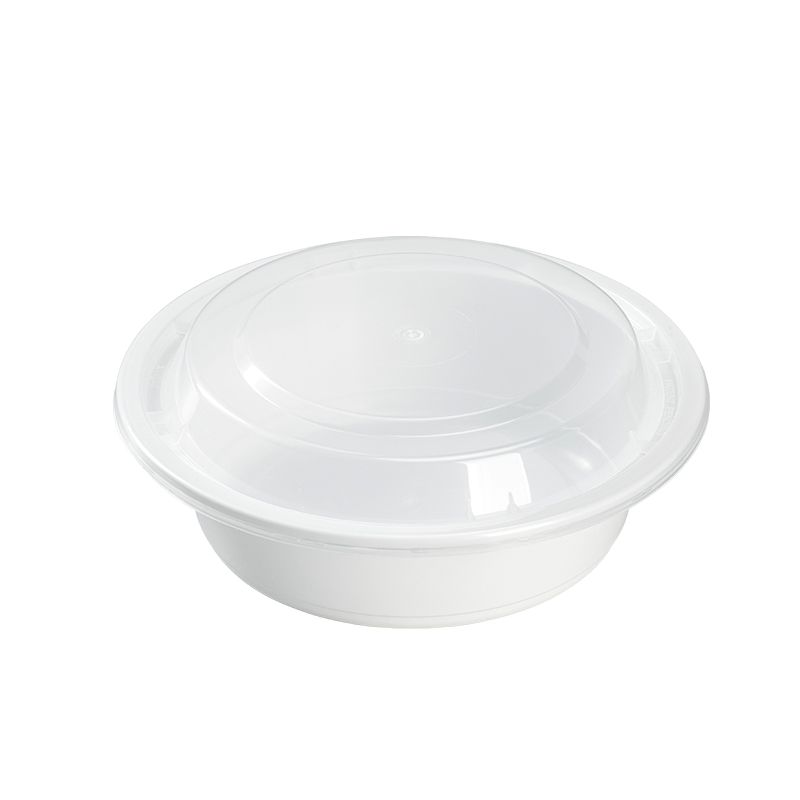
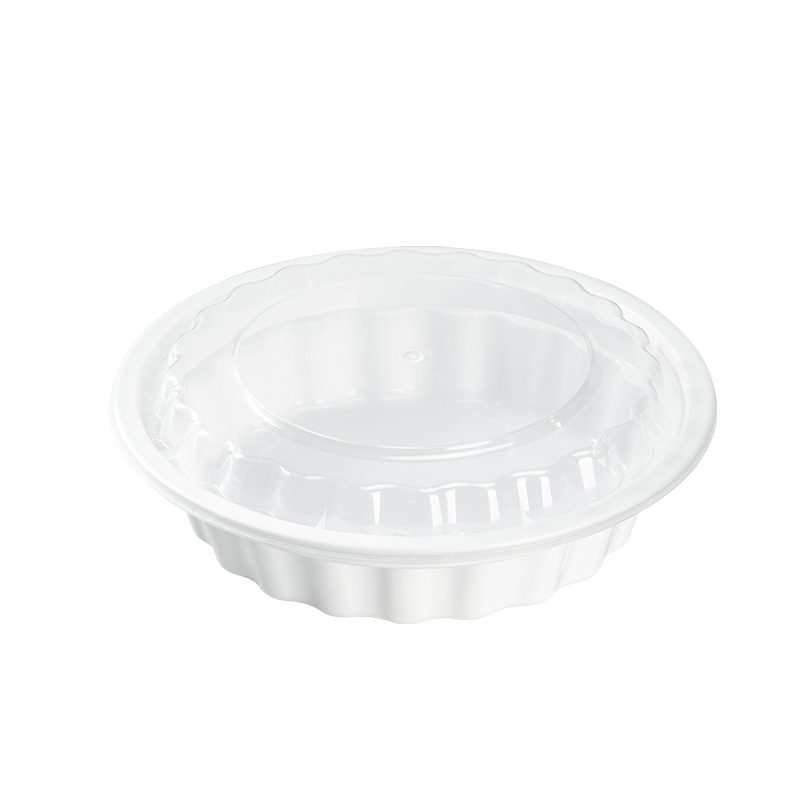
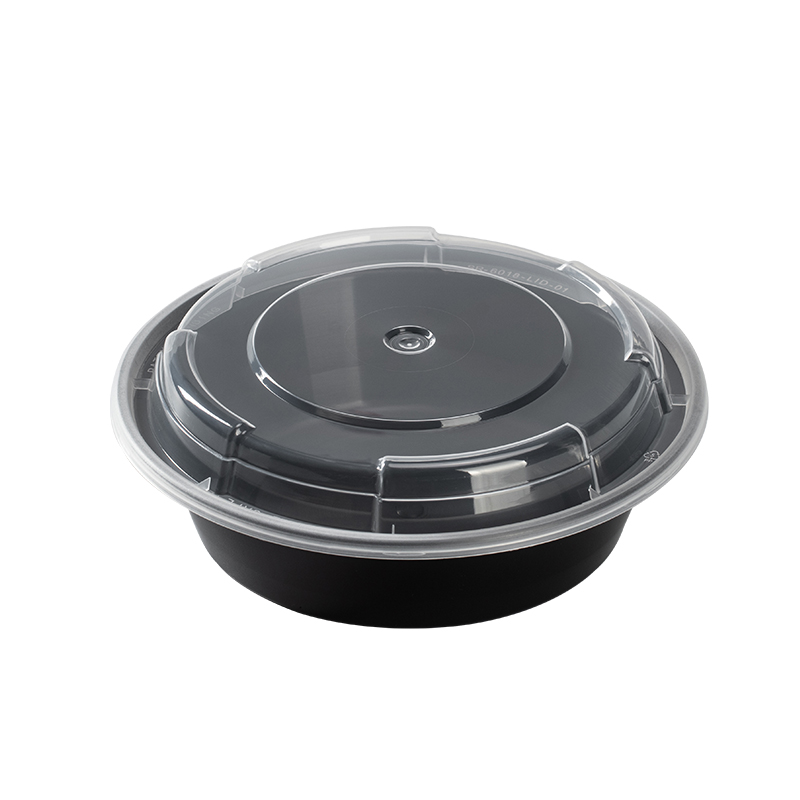
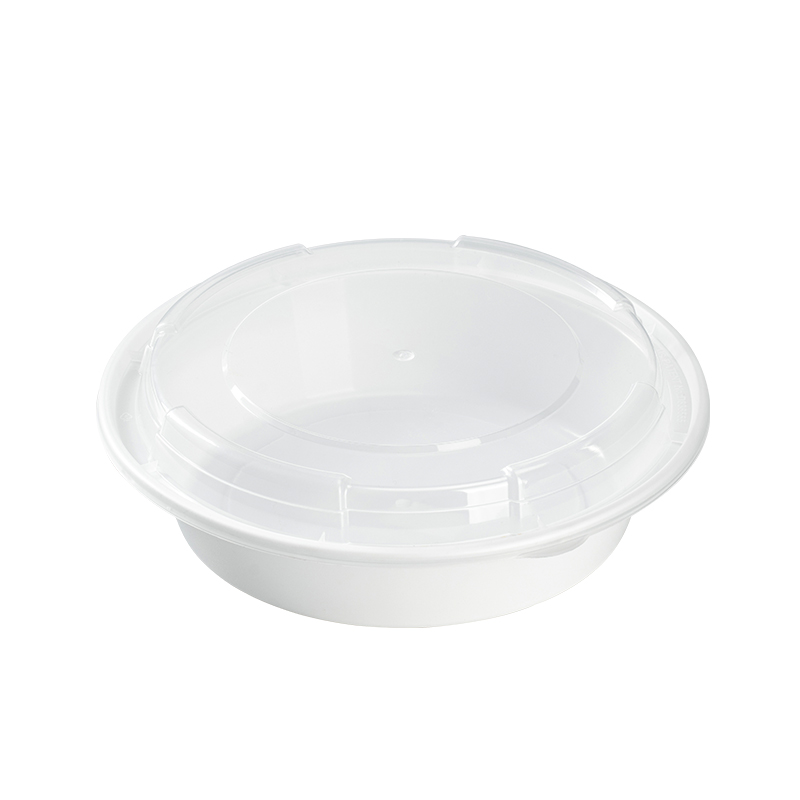
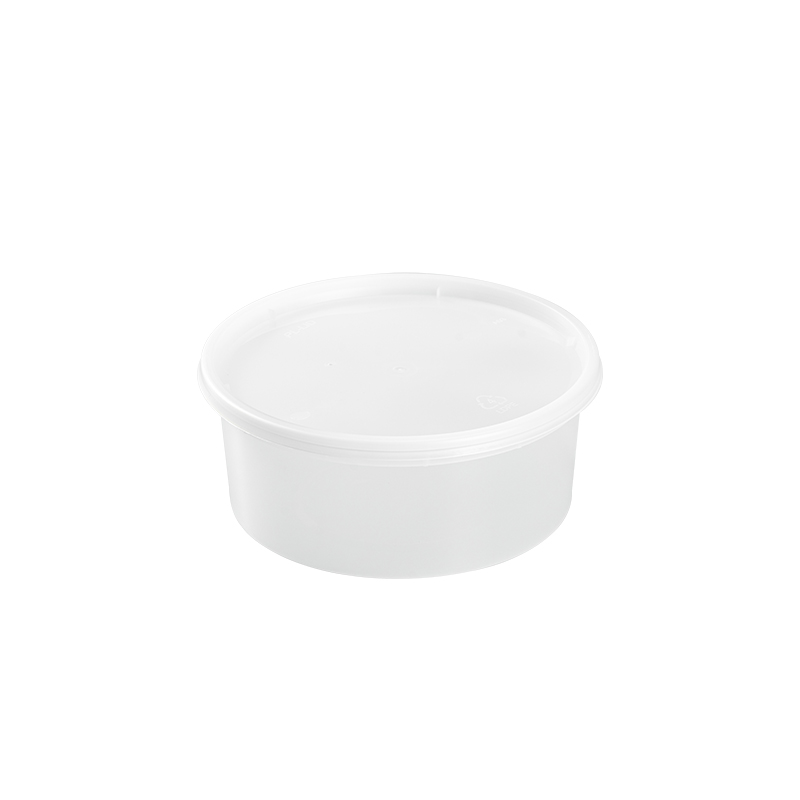
| Round Combo Pack Containers | Stackable, space-saving in the fridge, secure snap lids reduce spills. A popular choice for leftovers and meal prep portions. |
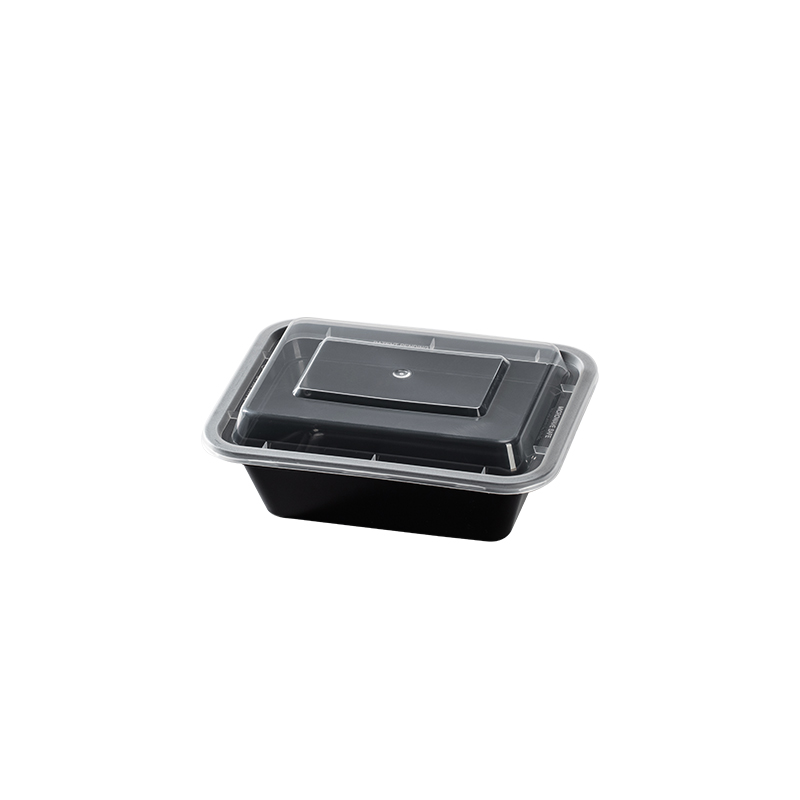
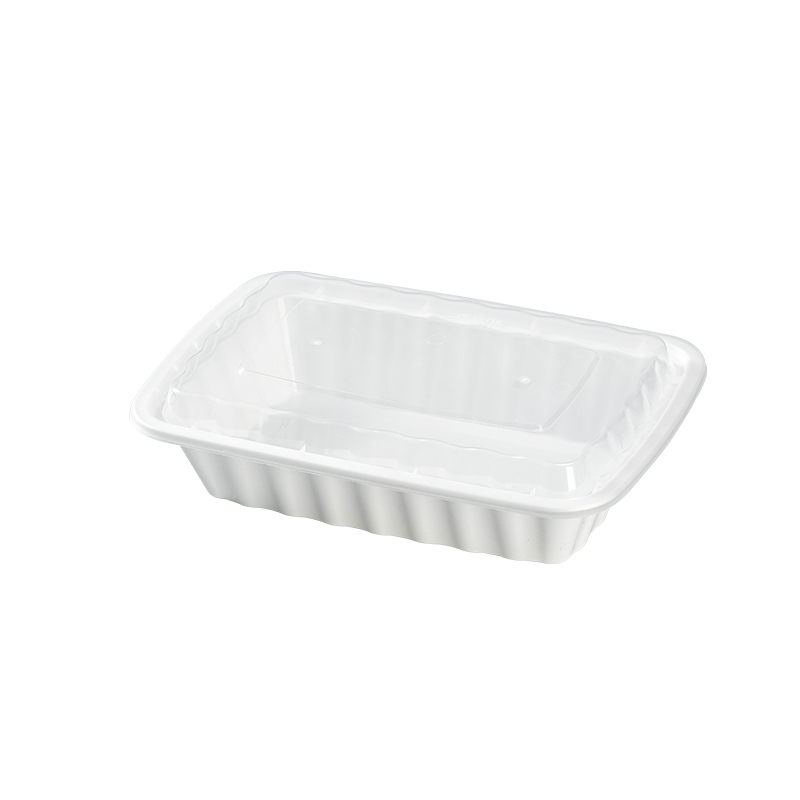
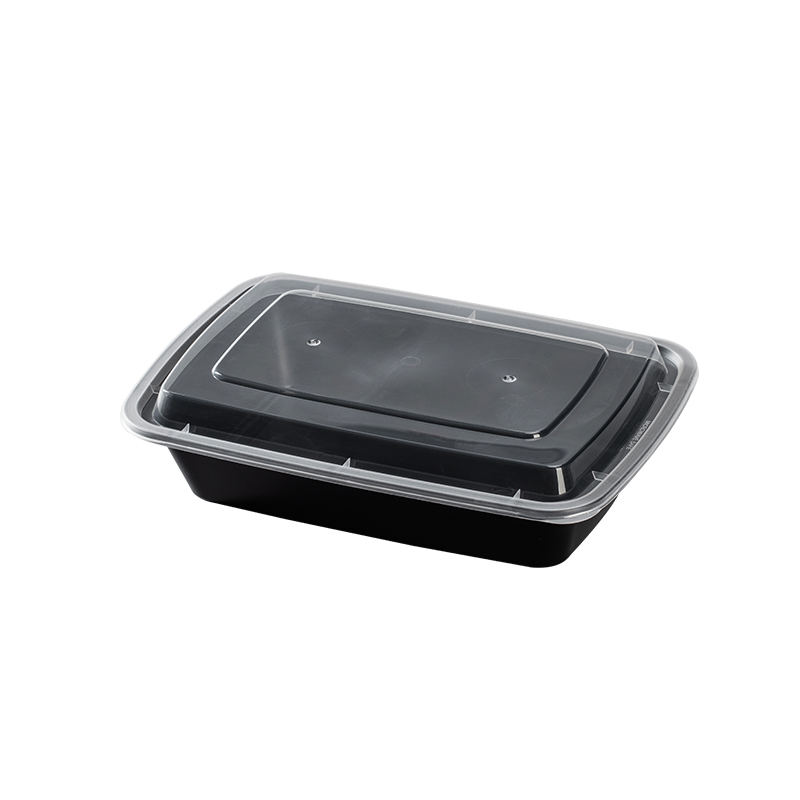
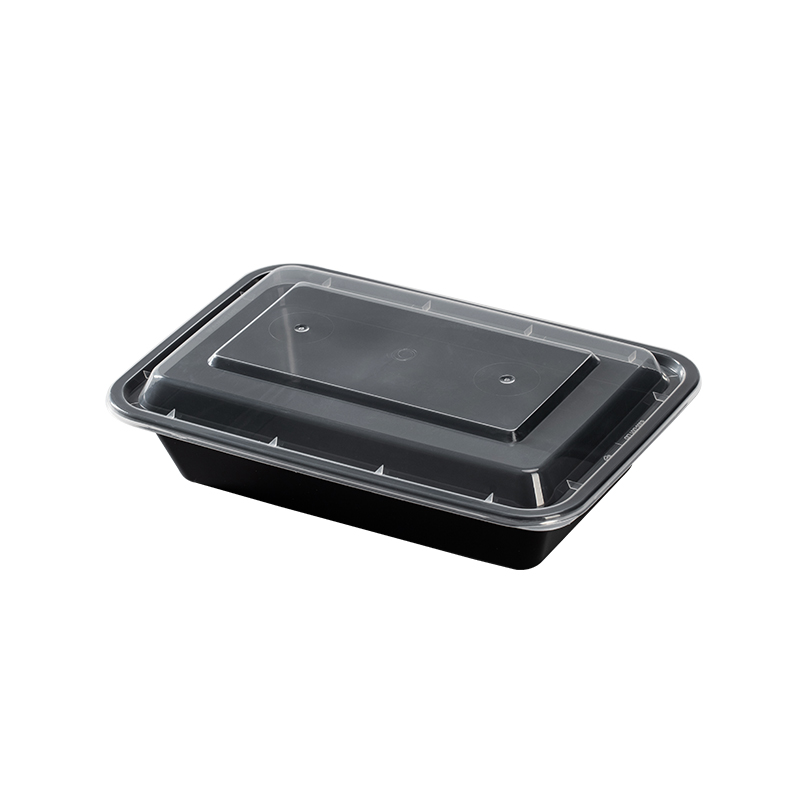
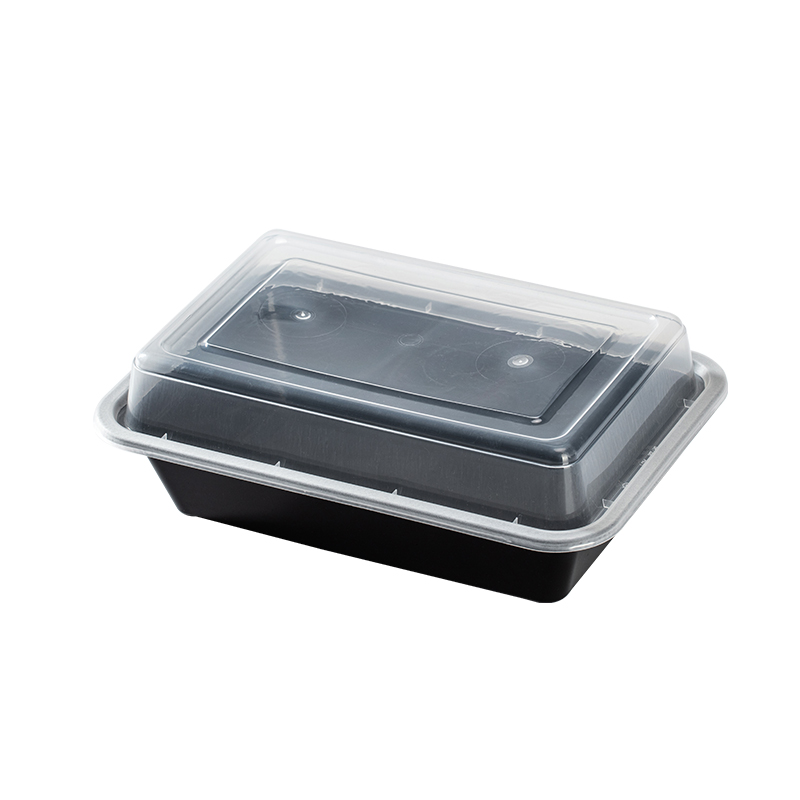
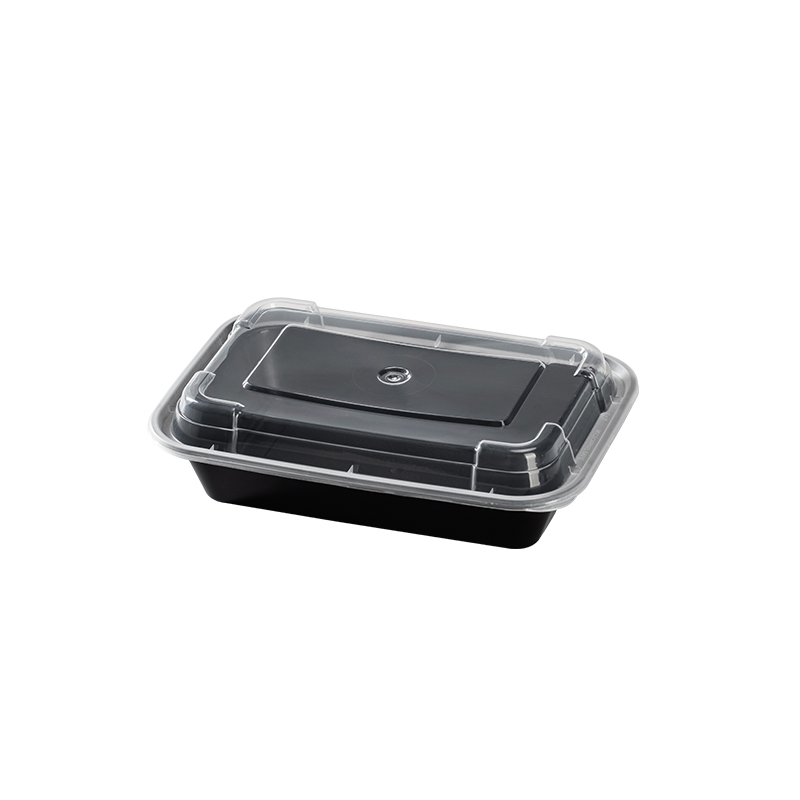
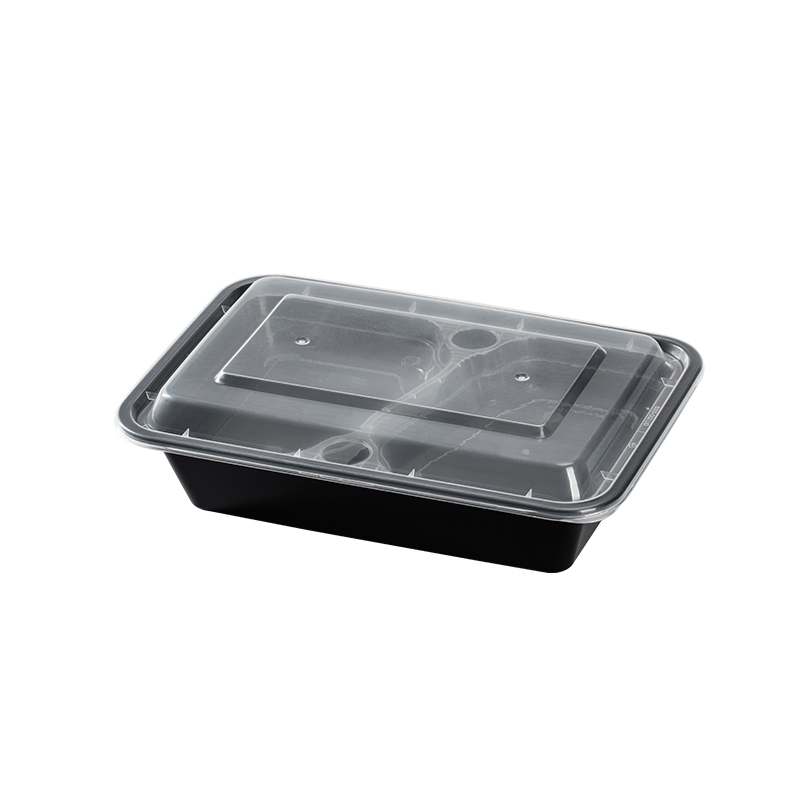
| Rectangular Containers | Maximize shelf space with flat stacking, often used for larger portions or roaster-style meals kept cold overnight. |
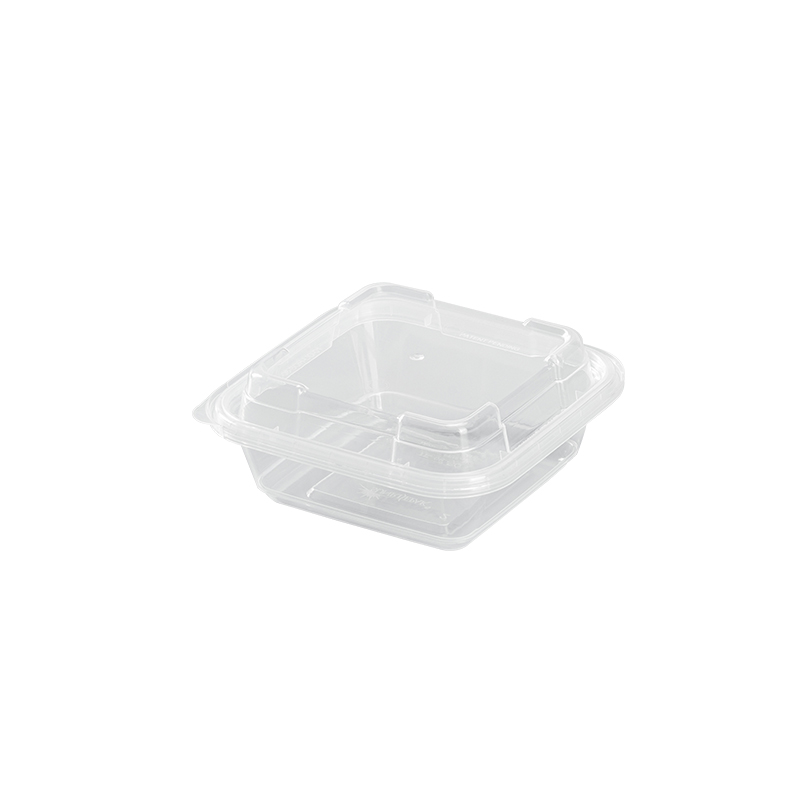
| Tamper-evident Containers | Feature a locking seal that shows if the lid has been opened, useful for delivery food container applications where food travels before refrigeration. |
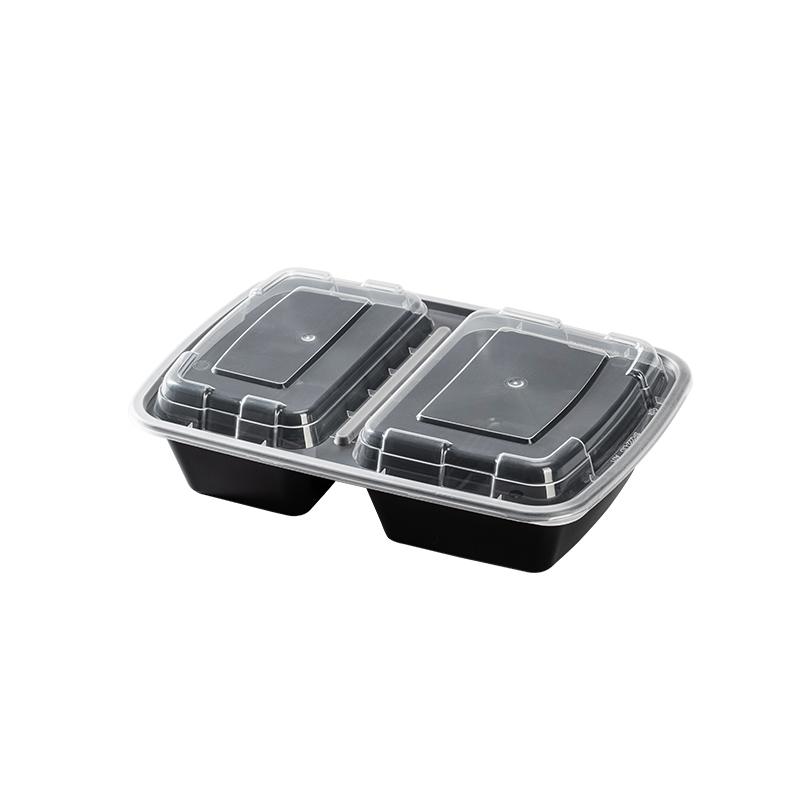
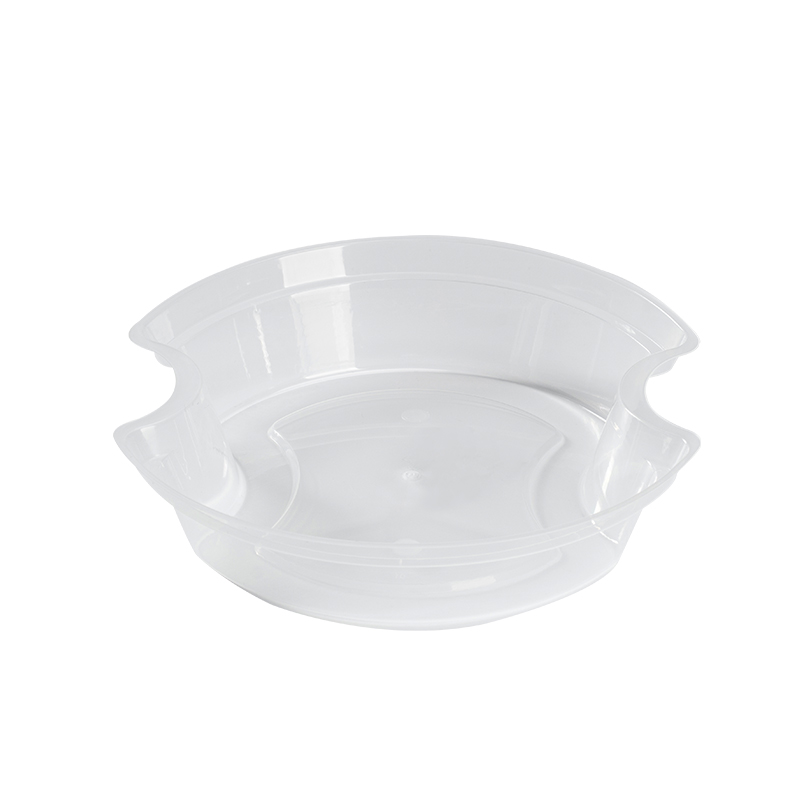
| Compartment Containers | Separate sauces, sides, and mains, helping prevent moisture transfer and sogginess during fridge storage. |
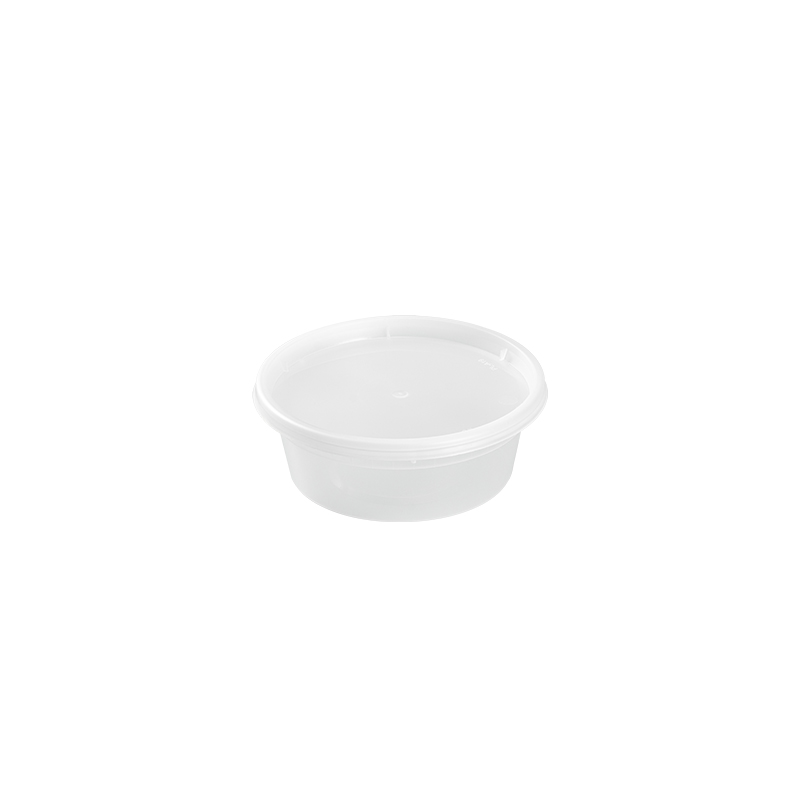
| Portion Cups | Small-volume disposable cup style containers, ideal for sauces, dressings, or single servings kept chilled. |
Fridge-Ready Container Collection
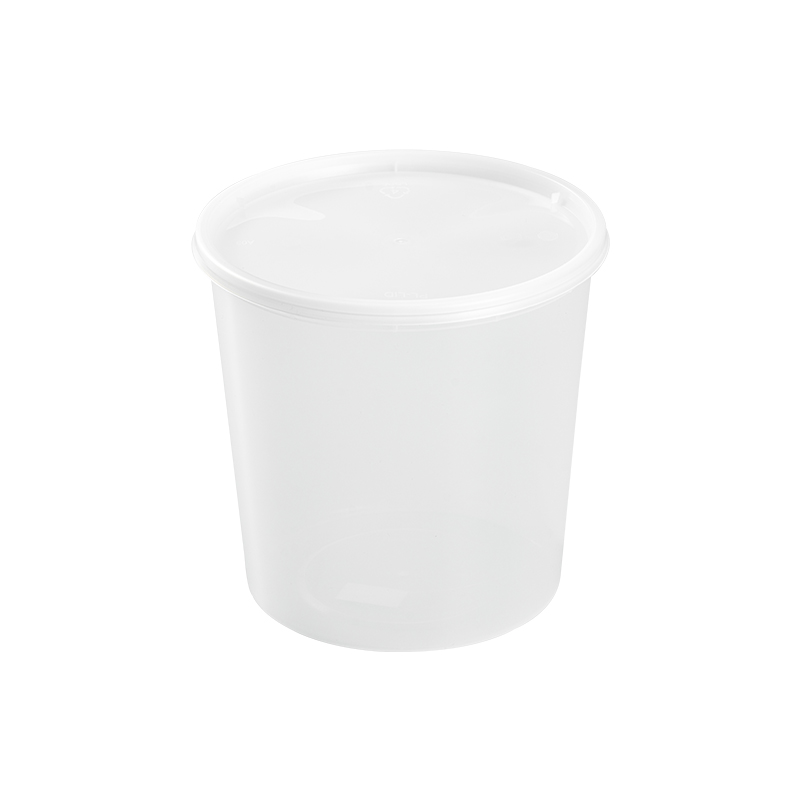
A closer look at container styles engineered for stacking, sealing, and staying cold without cracking or leaking.
How to Store Food in Plastic Containers Safely
Following a few habits reduces almost all risk associated with plastic food storage in the fridge.
- Let hot food cool to room temperature for a short period before sealing it into a plastic container, since trapped steam can warp lids over time.
- Choose containers labeled food-grade or food-safe, particularly for one time use containers meant for delivery or takeaway.
- Avoid reusing thin disposable tableware or paper meal box liners meant for single service, since repeated washing can weaken seals and coatings.
- Inspect containers for cracks, cloudy discoloration, or a greasy residue that will not wash off, all signs it is time to replace them.
- Keep acidic foods, such as tomato sauce or citrus dishes, in containers rated for that use, since acidity combined with staining can shorten a container's lifespan.
Disposable vs Reusable Containers for Fridge Storage
| Disposable Food Container | Designed for one to a few uses, common in fast food packaging and delivery. Cost-effective for restaurants and convenient for guests, but not intended for indefinite reuse. |
| Reusable Plastic Container | Thicker walls, sturdier hinges, and stronger seals designed for months or years of fridge cycling. A better long-term choice for household meal prep. |
| Plastic Cup and Portion Cup | Useful for small amounts of sauces, dips, or leftovers, and generally safe to store in the fridge for short periods when sealed properly. |
For food businesses choosing between takeaway food container formats, matching the container to how long the food will actually sit in the fridge before service matters more than picking the cheapest option available.
Signs a Plastic Container Should Be Retired
Even food-grade plastic wears out. Replace a container if you notice any of the following: persistent odors after washing, a warped shape that no longer seals flat, visible cracks along the rim, or a sticky film that suggests the surface coating has broken down. Continuing to use a compromised disposable packaging item increases the chance of bacterial buildup, which is a bigger practical risk to food safety than the plastic material itself.
Share:
Related Products
We are very glad that you came to JIEYU to purchase or customize, and we are confident to provide you with quality products and services.

We are committed to developing innovative, reliable, economical, and environmentally friendly disposable and reusable food service products for our customers.

No.199 Liansheng Road, Coast Business Center, Yinzhou District, Ningbo, Zhejiang, China

+86-18106622299

jay@jieyuplast.com
