
 English
  中文简体
中文简体


EU Packaging & Packaging Waste Regulation: What Exporters Must Know in 2026
Aug 14, 2026
Content
- 1 What the PPWR Changes for Exporters
- 2 Six Core Requirements You Cannot Ignore
- 3 What This Means for Food and Beverage Packaging Buyers
- 4 An Exporter's Compliance Checklist for 2026 and Beyond
- 5 Frequently Asked Questions
- 5.1 Does the PPWR apply to packaging manufactured outside the EU?
- 5.2 Our company exports PET cups. Do we need to switch to paper?
- 5.3 What documents must accompany an EU-bound packaging shipment?
- 5.4 Are paper-based packaging and PLA materials automatically compliant?
- 5.5 When does the PPWR actually apply?
- 6 Work With a Manufacturer That Understands the PPWR
In the summer of 2026, the EU Packaging and Packaging Waste Regulation (PPWR) is no longer a compliance topic for legal teams to monitor. It is actively dictating what can be imported, how it is labelled, and which costs will appear on your invoice. If you sell disposable food packaging into the EU, the rule of thumb is simple: packaging that cannot be recycled at scale, contains too much virgin plastic, or lacks proper labelling is now a liability. Here is what exporters actually need to do about it.
What the PPWR Changes for Exporters
Before 2026, EU packaging rules lived inside a directive that allowed member states to implement them with national differences. The PPWR replaces that patchwork framework with a single regulation. For exporters, the practical result is simpler: sell packaging in Germany, Spain, or another EU country, and you face the same rules everywhere. Another major change is that your responsibility no longer ends with your contract terms. You must prove that the packaging meets recyclability, recycled content, and labelling standards.
The regulation also sets quantitative waste-reduction targets. Member states must cut packaging waste per capita by 5 percent by 2030, 10 percent by 2035, and 15 percent by 2040, relative to 2018 levels. These targets are not decorative. They will translate into stricter EPR fees, heavier reporting obligations, and pressure on imported packaging that cannot be recycled in practice.
Source: European Commission, PPWR (EU) 2025/40
Six Core Requirements You Cannot Ignore
1. Design for recyclability
By 2030, all packaging placed on the market must be fully recyclable at scale. That means a packaging format cannot simply be technically recyclable in a laboratory; it must be collectable and sortable through real EU recycling infrastructure. For food packaging, the practical implications are significant: multi-material structures, opaque PET, and certain pigments can all fail the assessment.
2. Minimum recycled content in plastic
Plastic packaging will have to contain minimum percentages of recycled plastic. Under the current trajectory, most plastic packaging will need around 30 percent recycled content by 2030 and 65 percent by 2040. Beverage bottles face similar thresholds. Exporters relying on virgin PET or PP resin should work with suppliers who can source food-grade recycled materials, or face import disruption.
3. Packaging minimisation
The PPWR requires that empty space and packaging layers be reduced to the minimum necessary. For food delivery packaging, that means eliminating oversized boxes and excessive protective fillers. Some EU member states already check e-commerce and food-service shipments for excessive packaging void space, so lightweighting is more urgent than ever.
4. Substance restrictions
The regulation tightens existing restrictions on heavy metals and adds new measures for substances of concern in food contact packaging. In particular, PFAS and other highly fluorinated chemicals used for grease resistance will face increased scrutiny. If your coated paper cups or burger boxes rely on PFAS chemistry, revalidation will be required.
5. Harmonised labelling and sorting instructions
You must place a harmonised label on packaging, including the material type and sorting instructions. The label needs to be physically attached or printed; digital-only communication will not be enough for most categories. Exporters should plan for new printing plates and supply chain updates before the next production run.
6. Extended producer responsibility (EPR) participation
EU importers and distributors usually become the "producer" under national EPR schemes. They need to register, pay eco-modulated fees, and report packaging quantities. The commercial cost of non-compliance shifts directly back up the supply chain to suppliers who cannot demonstrate compliance.
| Requirement | Key Date | What Exporters Should Do |
|---|---|---|
| Recyclability design | From 2030 | Redesign multi-material structures |
| Recycled content (plastic) | 2030 / 2040 | Source food-grade recycled resins |
| Packaging minimisation | Ongoing | Reduce empty space and layers |
| Substance restrictions | Phased | Verify coatings and ink ingredients |
| Labelling | Phased | Print material ID and sorting labels |
| EPR participation | Already running | Register through EU importer, budget fees |
What This Means for Food and Beverage Packaging Buyers
If your product portfolio includes PET cold cups, plastic food containers, paper cups, and takeaway boxes, the financial impact varies by material category.
PET cups and drink packaging
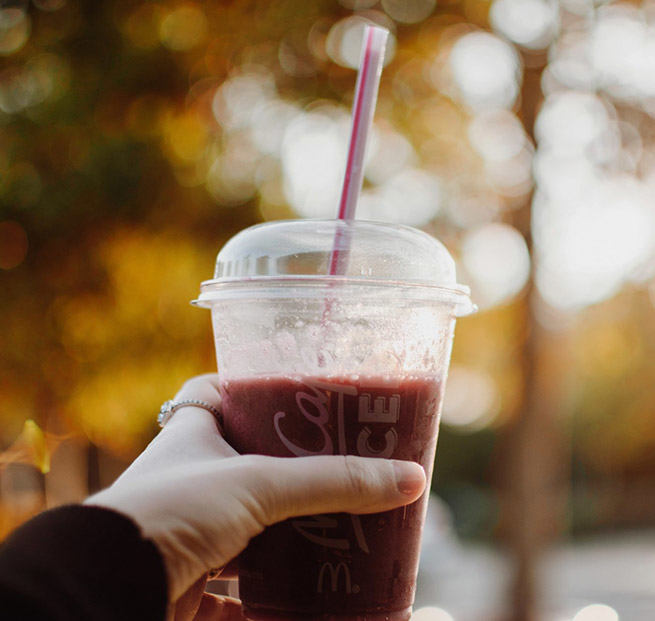
PET cups are popular because they are light, clear, and shatterproof. Under the PPWR, the calculus changes. A clear PET cup with a separate plastic lid may pass the recyclability test, but buyers will increasingly ask about recycled content in the resin. A supplier that can document food-grade recycled PET or provide a documented pathway to it will protect your sales pipeline.
Paper-based alternatives
For many exports, replacing plastic with paper-based formats is a faster route to higher recyclability. But not all paper packaging is equal. Paper containers with thick plastic coatings, glossy laminates, or mixed-material windows can fall short of the "recyclable at scale" standard. A kraft square food box made with strong, uncoated paperboard offers the rigidity needed for hot meals and takeaway orders while remaining simpler to process in European paper streams.
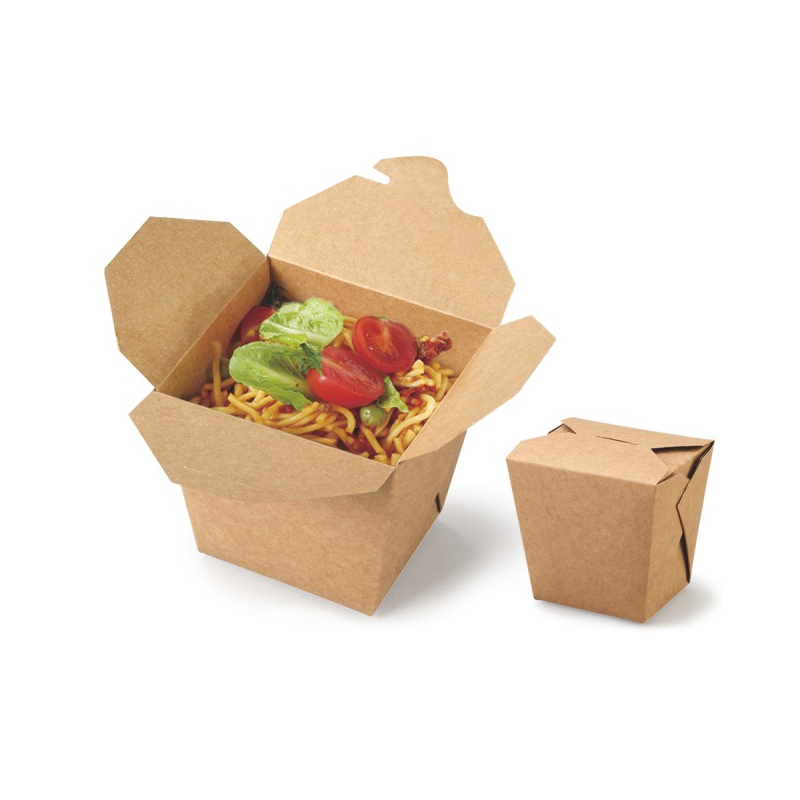 Custom Kraft Square Food Box Manufacturers, Factory- Zhejiang Jie Yu Plastic ProJie Yu Plastic Products Co.,Ltd is China custom Kraft Square Food Box Manufacturers and Kraft Square Food Box factory,View Product →
Straws, cutlery, and small accessories
Small items create big compliance gaps. Plastic straws and cutlery have been on the EU Single-Use Plastics radar since 2021, and the PPWR reinforces that direction. Switching to paper straws made with bamboo and wood fibre gives operators a drop-in replacement for plastic straws while reducing the overall fossil-plastic weight in your export mix.
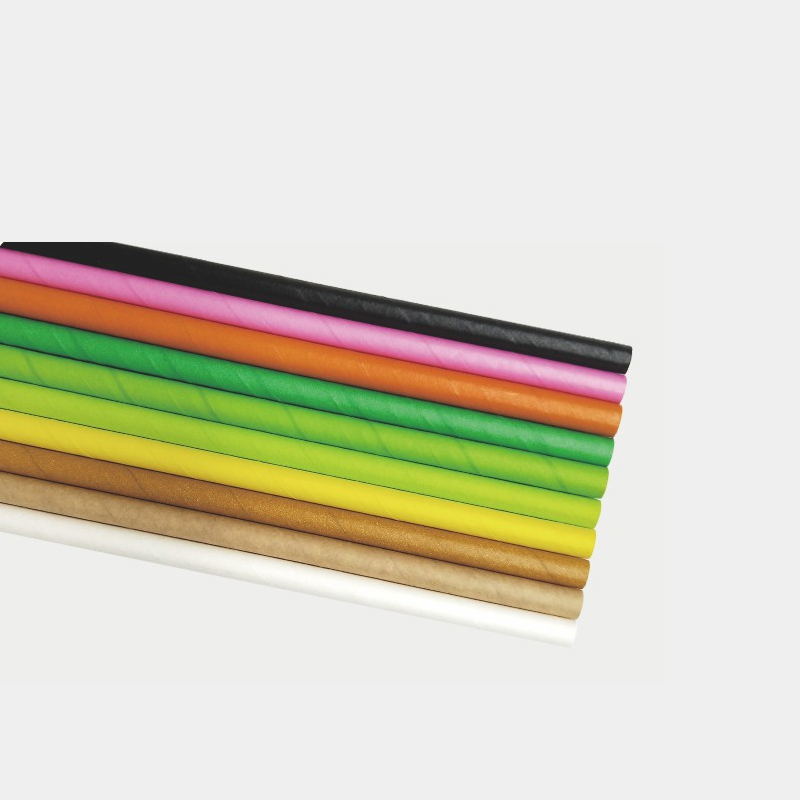 Custom Solid Colors with Bamboo Fiber/Wooden Fiber Manufacturers, Factory- ZhejiJie Yu Plastic Products Co.,Ltd is China custom Solid Colors with Bamboo Fiber/Wooden Fiber Manufacturers and Solid Colors with Bamboo Fi...View Product →
Transparent windows and visual appeal
Many food brands rely on transparent windows to show the product. Conventional petroleum-based PET windows can make a paper box harder to recycle. A kraft paper box with a PLA window provides product visibility while lowering reliance on fossil-derived PET. The key is to verify how that window behaves in the EU recycling systems of your target country, and to document the assessment in your technical file.
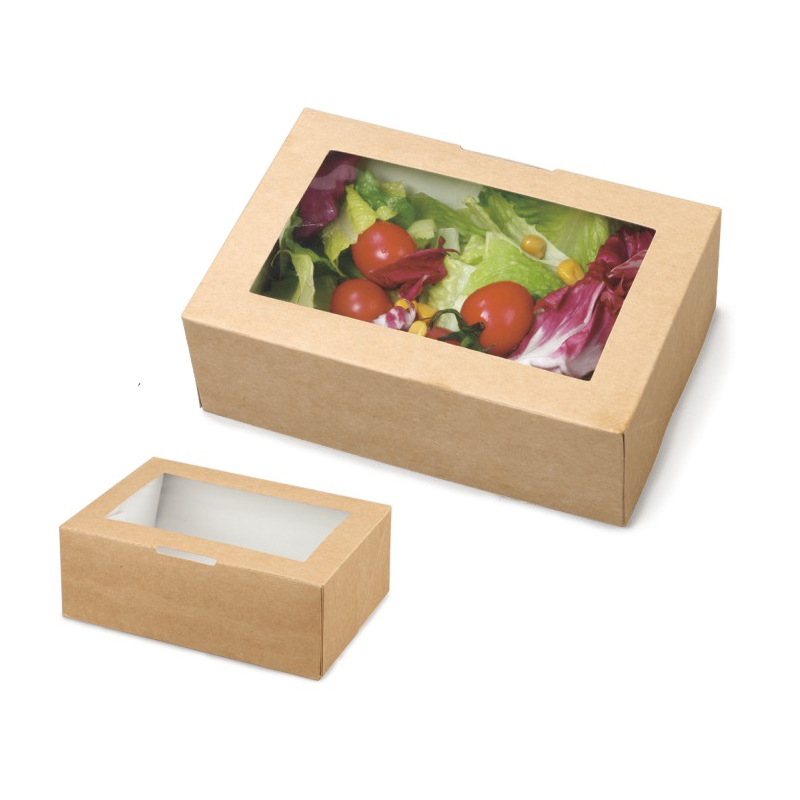 Custom Kraft Paper Box-PLA Window Manufacturers, Factory- Zhejiang Jie Yu PlastiJie Yu Plastic Products Co.,Ltd is China custom Kraft Paper Box-PLA Window Manufacturers and Kraft Paper Box-PLA Window factory,View Product →
Source: PPWR (EU) 2025/40, indicative thresholds for most plastic categories
An Exporter's Compliance Checklist for 2026 and Beyond
Rather than waiting for your EU buyer to flag a problem, run through this practical checklist before your next container ships:
- Map your full packaging portfolio to confirm which items are in the scope of the PPWR, including lids, sleeves, and accessories.
- Request a recyclability assessment for every format that will be placed on the EU market, using European design-for-recycling guidelines.
- Collect material documentation from your factory, including exact polymer grades, coating types, and any recycled content percentages.
- Audit your plastic items against the 2030 recycled content trajectory and identify which products need reformulation.
- Update label layouts to include the harmonised material identifier and sorting instructions required in each EU country.
- Confirm with your EU importer or buyer who is responsible for EPR registration, and request the cost projections in writing.
- Maintain a technical file with the Declaration of Conformity, test reports, and supplier declarations for market surveillance inspections.
Frequently Asked Questions
Does the PPWR apply to packaging manufactured outside the EU?
Yes. The regulation applies to all packaging placed on the EU market, regardless of where it was produced. The formal "producer" is usually the entity that first places the packaging on the EU market, such as an importer or an EU-based distributor. For exporters, compliance is still your problem: your EU customer will ask for technical documentation, recyclability assessments, and evidence of recycled content before they sign a purchase order.
Our company exports PET cups. Do we need to switch to paper?
Not necessarily. The PPWR does not ban plastic packaging. It requires that plastic packaging meet minimum recycled content targets and be designed for recyclability. Many buyers still use PET cups, but they increasingly want options with certified recycled content or clear evidence of a circular design.
What documents must accompany an EU-bound packaging shipment?
In most cases, the EU importer needs a Declaration of Conformity, technical documentation, and, for certain products, conformity assessment results. The label on the packaging itself must show the material identification and sorting instructions. Customs or market surveillance authorities can request these documents at any time.
Are paper-based packaging and PLA materials automatically compliant?
No. Paper packaging must meet recyclability and minimisation criteria, and the same applies to bio-based or biodegradable plastics. PLA windows, for instance, can affect the recyclability of a paper box in some EU collection systems. Always check how the full assembly is treated in real EU recycling streams.
When does the PPWR actually apply?
The regulation entered into force in early 2025, and most of its obligations became applicable in August 2026. Several additional requirements, such as higher recycled content thresholds, will be phased in during the 2030s. There is no one-size-fits-all date; the key is to verify obligations for each packaging category you export.
Work With a Manufacturer That Understands the PPWR
As a food packaging manufacturer with over 14 years of experience, we have followed the PPWR from proposal to applicable law. We know that a packaging export order is no longer just a matter of price and MOQ. You need a factory that can adjust materials, re-engineer lids, switch to recyclable paperboard, and provide the technical documentation your EU buyers request. Our sustainability roadmap covers recycled content, responsible sourcing, and waste-reduction design. If you want to see how we handle material traceability and production flexibility, review our factory capabilities before you ask for a quote.
If you are planning your next EU-bound order, send us your product list and target countries. We will help you evaluate what has to change under the PPWR, what can stay the same, and what documentation your importer will require. Compliance is easier when it starts at the drawing board.
Share:
Related Products
We are very glad that you came to JIEYU to purchase or customize, and we are confident to provide you with quality products and services.

We are committed to developing innovative, reliable, economical, and environmentally friendly disposable and reusable food service products for our customers.

No.199 Liansheng Road, Coast Business Center, Yinzhou District, Ningbo, Zhejiang, China

+86-18106622299

jay@jieyuplast.com
