
 English
  中文简体
中文简体


How to Source PFAS-Free Disposable Tableware: A Buyer's Guide
Aug 28, 2026
Content
- 1 Why PFAS-Free Sourcing Has Become a Purchasing Requirement
- 2 Base Materials That Are Inherently PFAS-Free
- 3 PFAS-Free Product Lines Worth Evaluating
- 4 Where PFAS Hides in "Compostable" Disposable Packaging
- 5 Why This Trend Keeps Accelerating
- 6 Documents to Request Before Placing an Order
- 7 Sourcing Workflow for OEM and ODM Buyers
- 8 Common Mistakes When Evaluating Supplier Claims
- 9 Building a Reliable PFAS-Free Supply Chain
To source PFAS-free disposable tableware, choose products built from base materials that never contain fluorochemicals to begin with, such as kraft paper, bagasse molded fiber, CPLA, wood, or uncoated PET and PP. Then confirm the grease-resistant or water-resistant layer uses a PFAS-free alternative, such as a PLA lining, an aqueous dispersion coating, or a wax layer, instead of a fluorinated treatment. Ask the supplier for a third-party total fluorine test report, ideally following EN 17681-1 methodology with results under 100 ppm, along with any compostability certificate such as BPI or a food-contact SGS report. A disposable food container, paper meal box, or takeaway food container that passes these three checks can be reasonably documented as PFAS-free for retail or foodservice use.
Why PFAS-Free Sourcing Has Become a Purchasing Requirement
Per- and polyfluoroalkyl substances, known as PFAS, were widely used in molded fiber bowls, paper meal boxes, and fast food packaging as a grease and moisture barrier. Because these compounds resist breakdown in the environment, regulators in North America and the European Union have moved to restrict their use in food-contact packaging. The FDA finalized the phase-out of long-chain PFAS grease-proofing agents in food packaging in 2024, and a growing list of US states, including Washington, New York, California, Colorado, Connecticut, Vermont, Maine, Minnesota, and Rhode Island, now prohibit intentionally added PFAS in disposable tableware and food packaging box products sold within their borders.
On the sourcing side, this shifts responsibility onto buyers. A supplier labeling a product "eco-friendly" or "compostable" does not automatically mean it is PFAS-free, since fluorochemical coatings were historically added specifically to make fiber-based packaging more functional for oily and liquid foods. Verifying the base material and the barrier treatment separately is the only reliable way to confirm a clean bill of health.
Base Materials That Are Inherently PFAS-Free
Some substrates never required fluorochemical treatment to perform, which makes them the simplest starting point for sourcing decisions.
| Material | Typical Use | Barrier Method | PFAS Risk Level |
| Kraft Paper / Cardboard | Paper meal box, sandwich box, paper bag | PLA window, wax, or none | Low, if uncoated or PLA-lined |
| Bagasse Molded Fiber | Salad bowl, soup cup, compartment tray | Natural fiber density, aqueous coating | Low |
| CPLA / PLA | Cutlery, lids, cold cup linings | Not applicable, plant-based polymer | Low |
| Wood | Cutlery, stirrers, chopsticks | Not applicable | Low |
| PET / PP Plastic | Plastic cup, clamshell, portion cup | None, non-porous surface | Low |
| Uncertified Coated Paper | Legacy grease-resistant boxes and trays | Unknown fluorochemical spray | High, requires testing |
PFAS-Free Product Lines Worth Evaluating
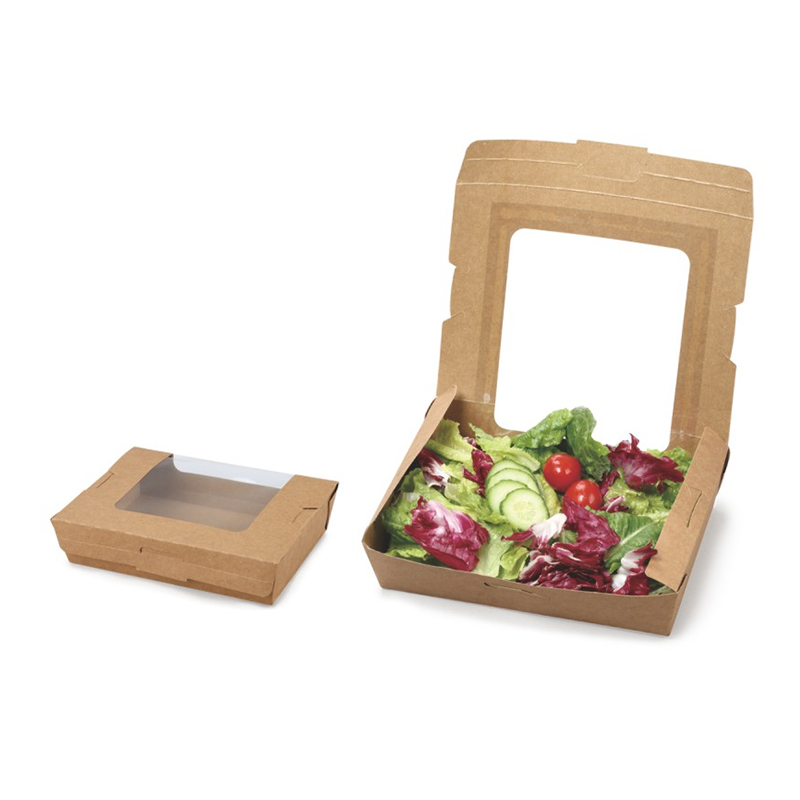
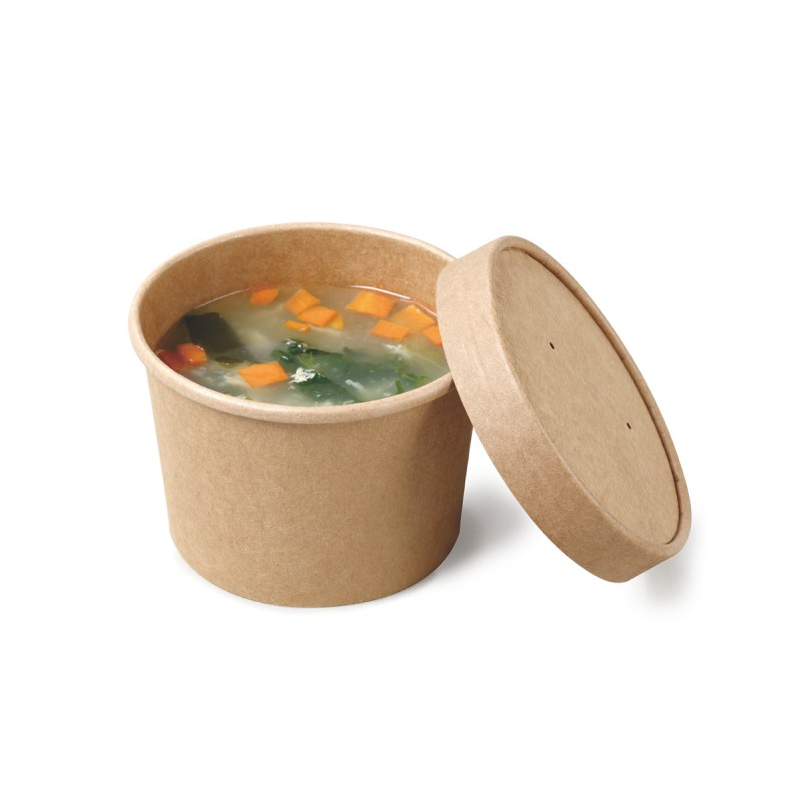
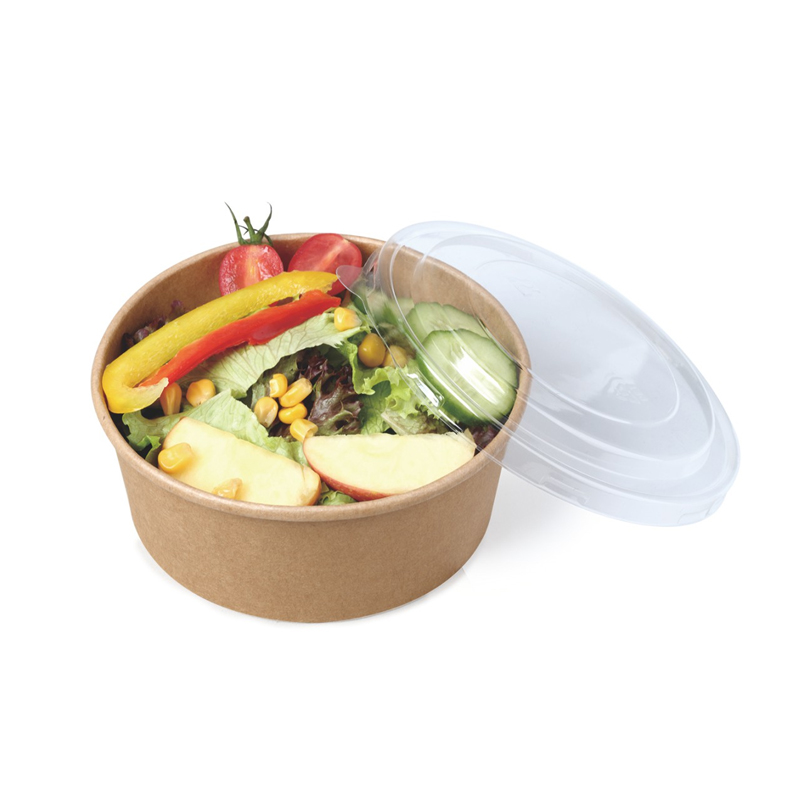
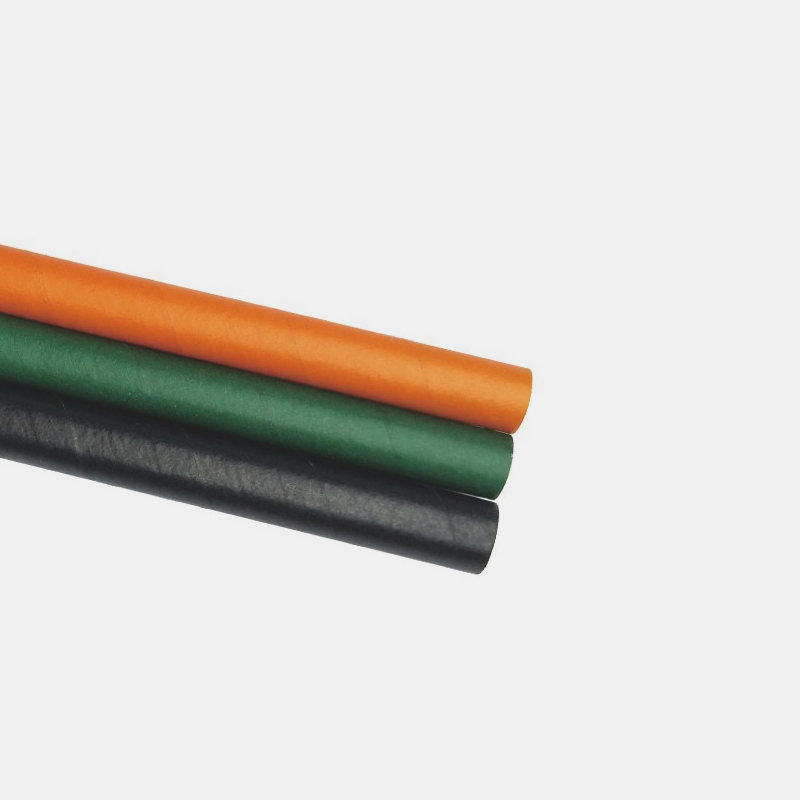
These categories reflect the material types most commonly recommended for a PFAS-free switch, spanning paper containers, cups, and cutlery for delivery food container and dine-in use.

Where PFAS Hides in "Compostable" Disposable Packaging
Bagasse trays and one time use containers built for burgers, fries, or pizza slices needed oil resistance. Older formulations achieved this with a fluorochemical spray, which is now the single most common source of PFAS in fast food packaging.
A disposable cup or paper soup cup needs a waterproof inner layer. Ask whether this is a PE, PLA, or aqueous coating, since PE and PLA linings do not carry PFAS risk while some legacy fluoropolymer linings do.
Some inks and laminate adhesives historically contained trace PFAS for surface leveling. Request the ink and adhesive supplier data sheet in addition to the base substrate report.
Why This Trend Keeps Accelerating
Categories most affected: molded fiber trays, paper meal boxes, and grease-resistant wraps carry the highest historical PFAS exposure among food packaging box formats.
Documents to Request Before Placing an Order
- Total fluorine screening report, ideally EN 17681-1 or an XRF equivalent, with results below 100 ppm
- Food-contact safety report such as an SGS or FDA compliance letter for the specific SKU
- Compostability certification, such as BPI or EN 13432, if the item is marketed as compostable
- A material declaration listing the resin, coating, and adhesive used on the disposable tableware
- Factory audit or quality system certificate, such as BRCGS Packaging Materials
Sourcing Workflow for OEM and ODM Buyers
| Step | Action | Outcome |
| 1. Define use case | Match the item to its food type, hot soup, cold drink, or oily fast food, to select the right material | Correct base material shortlist |
| 2. Request samples | Order paper meal box, disposable cup, or delivery food container samples from two or three factories | Physical comparison of finish and rigidity |
| 3. Verify paperwork | Cross-check fluorine test data against the sample batch number, not a generic catalog file | Confirmed PFAS-free status per batch |
| 4. Pilot run | Trial a small production order before committing to full-container volumes | Real-world grease and leak performance data |
| 5. Lock specification | Write the confirmed material, coating, and test standard into the purchase contract | Consistent PFAS-free supply going forward |
Common Mistakes When Evaluating Supplier Claims
Terms like eco-friendly or green describe intent, not chemistry. Always ask for the fluorine test data behind the label.
A test report from a prior product generation may not reflect a reformulated coating. Request a report dated within the last 12 months.
A PFAS-free bowl paired with a coated lid or a treated wooden fork still creates an exposed product line. Test every component.
Fiber sourcing and coating suppliers can change between production runs. Periodic re-testing protects long-term compliance.
Building a Reliable PFAS-Free Supply Chain
Switching to PFAS-free disposable tableware is less about finding a single perfect product and more about building a repeatable verification process. Buyers who standardize on inherently safe base materials, request current fluorine test data for every order, and keep documentation on file for each batch are well positioned as regulations tighten across takeaway food container, paper meal box, and fast food packaging categories. Treat PFAS-free sourcing as an ongoing quality control habit rather than a one-time supplier switch, and the transition becomes far easier to manage across an entire disposable packaging catalog.
Share:
Related Products

We are very glad that you came to JIEYU to purchase or customize, and we are confident to provide you with quality products and services.

We are committed to developing innovative, reliable, economical, and environmentally friendly disposable and reusable food service products for our customers.

No.199 Liansheng Road, Coast Business Center, Yinzhou District, Ningbo, Zhejiang, China

+86-18106622299

jay@jieyuplast.com
