
 English
  中文简体
中文简体


Saudi Arabia Plastic Packaging Ban: What Food Service Buyers Must Know
Oct 02, 2026
Content
A catering company in Riyadh places a 40,000-unit container order every month. Its 2025 tender specification ran to two pages. The 2026 version runs to eleven, and none of the extra pages says "no plastic". They say which plastic, which coating and which certificate.
That detail is the whole story. Saudi Arabia has not outlawed plastic food packaging. It has narrowed the list of what is acceptable, phased out materials such as oxo-degradable plastics, and left much of the daily enforcement to municipal inspectors. Two operators in the same city can receive two different answers, and both can be right.
Here is what the rules change in practice, what still passes, and where the cost and the risk sit.
What Saudi Rules Actually Restrict
Two layers matter. Nationally, SASO sets the technical requirements a product must meet before it can legally be imported or sold, while the National Center for Waste Management, known as Mwan, drives the waste and recycling agenda under Vision 2030. Locally, municipalities apply those rules to individual restaurants, delivery fleets and kiosks.
So "plastic is banned" is a summary, not a law. What exists is a list of restricted categories, and the list keeps growing.
| Packaging category | Direction of travel | What to do now |
|---|---|---|
| Oxo-degradable and oxo-biodegradable plastics | Prohibited across GCC markets; degradation claims must be supported by test data | Strike them from every specification and ask for a written material declaration |
| Thin single-use carrier bags | Phased restriction with active municipal enforcement | Move to paper or reusable bags at the counter and in delivery |
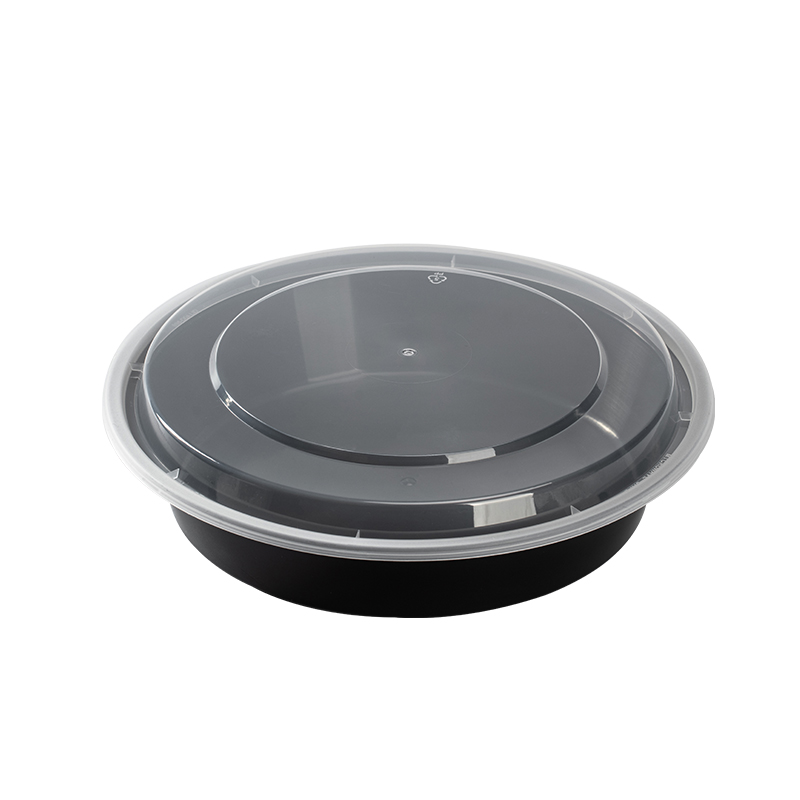
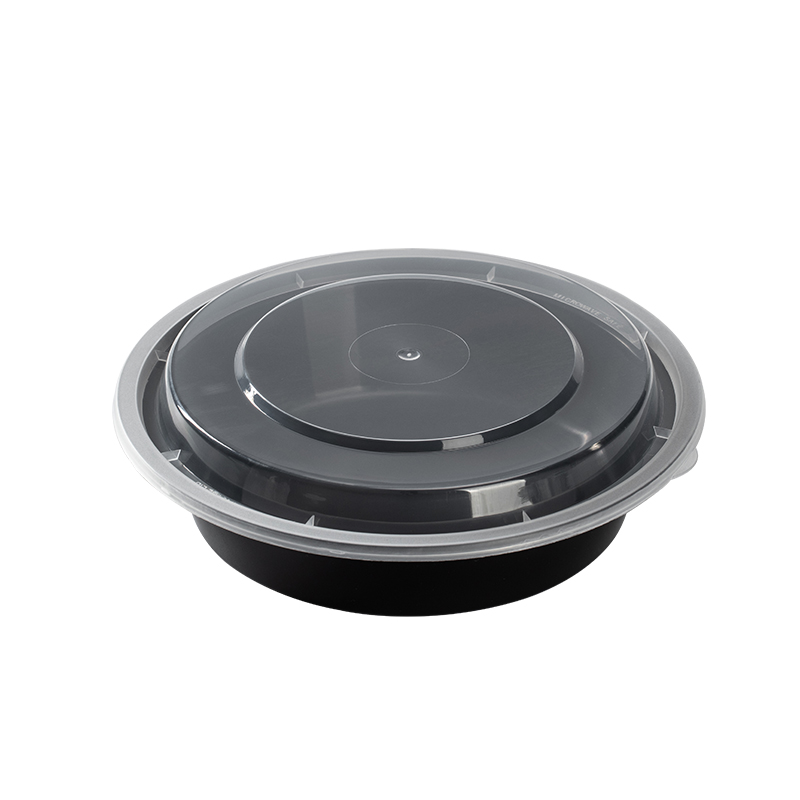
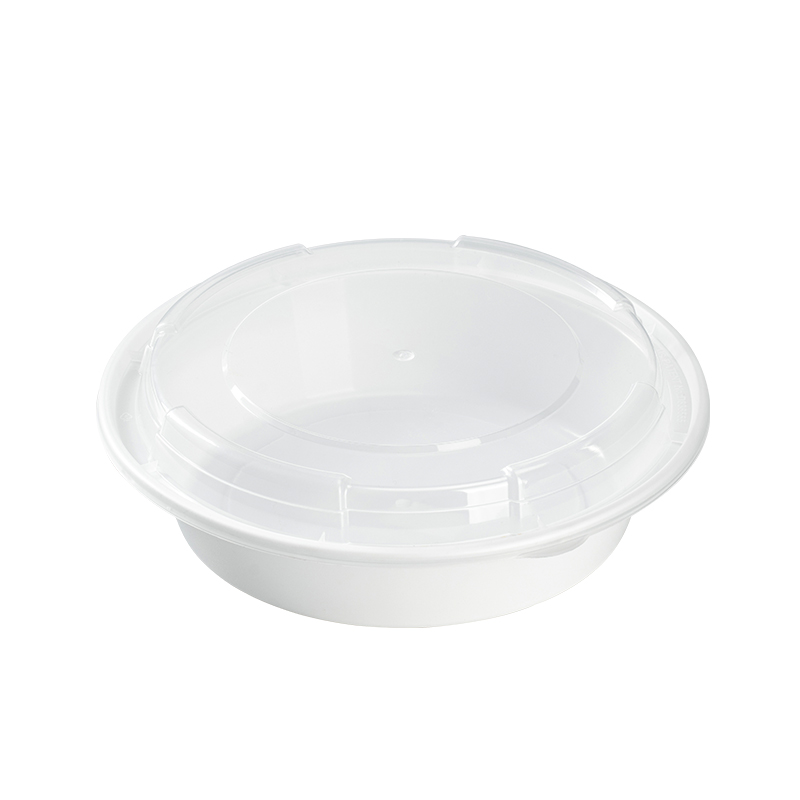
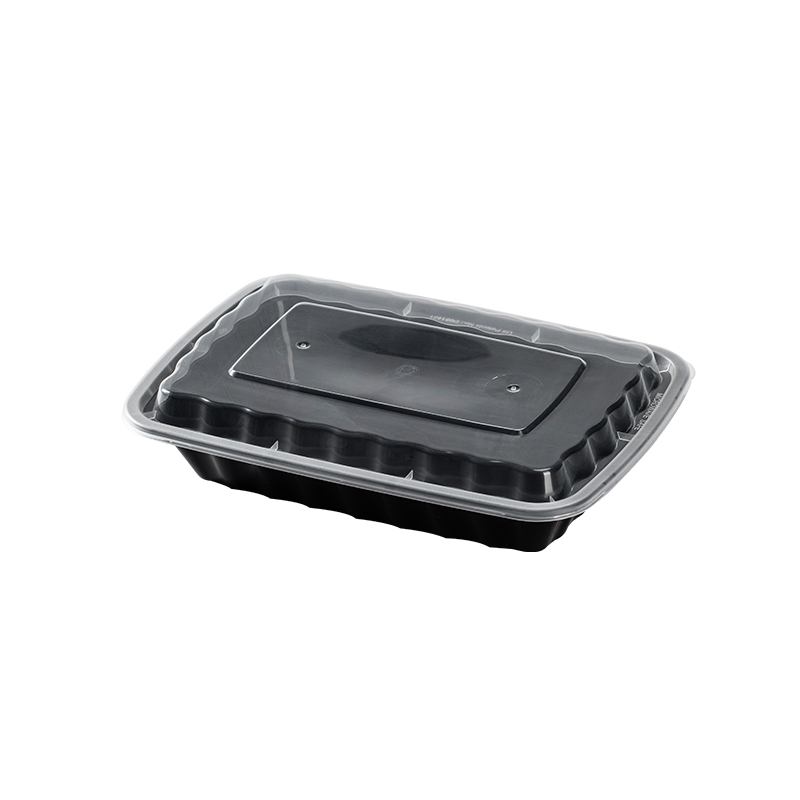
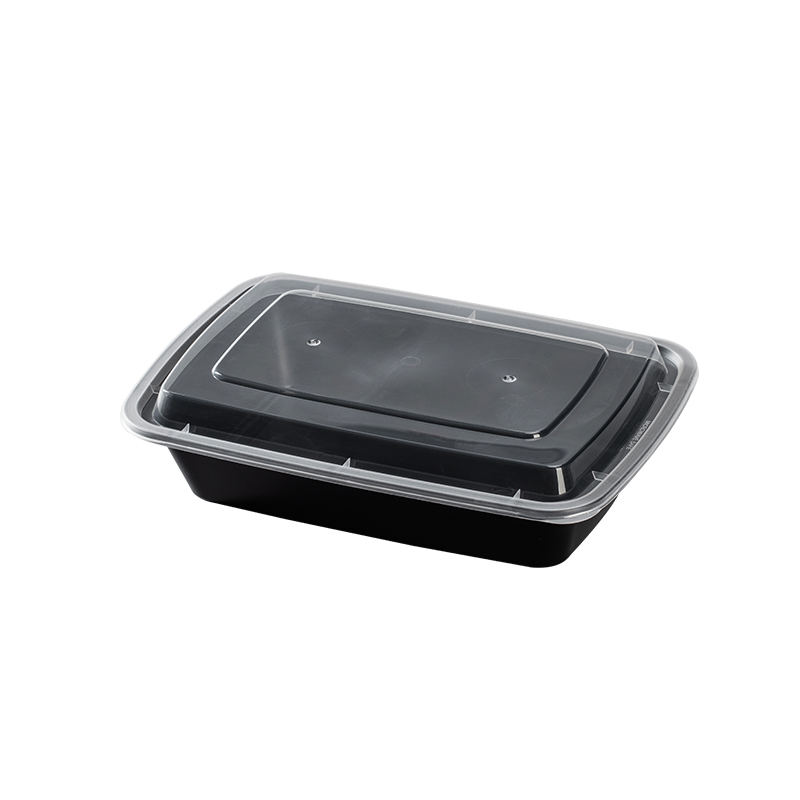
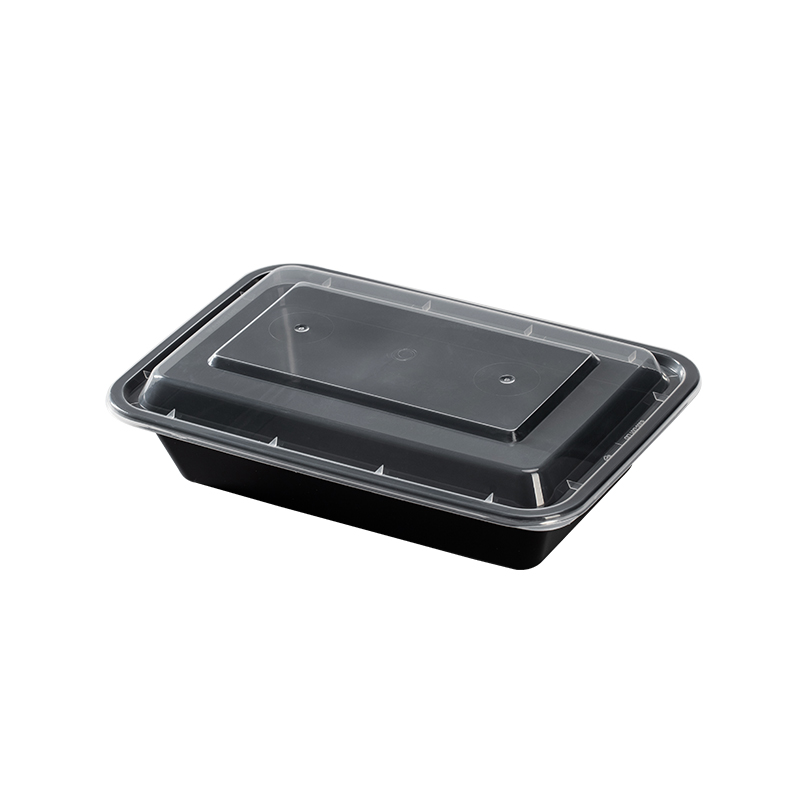
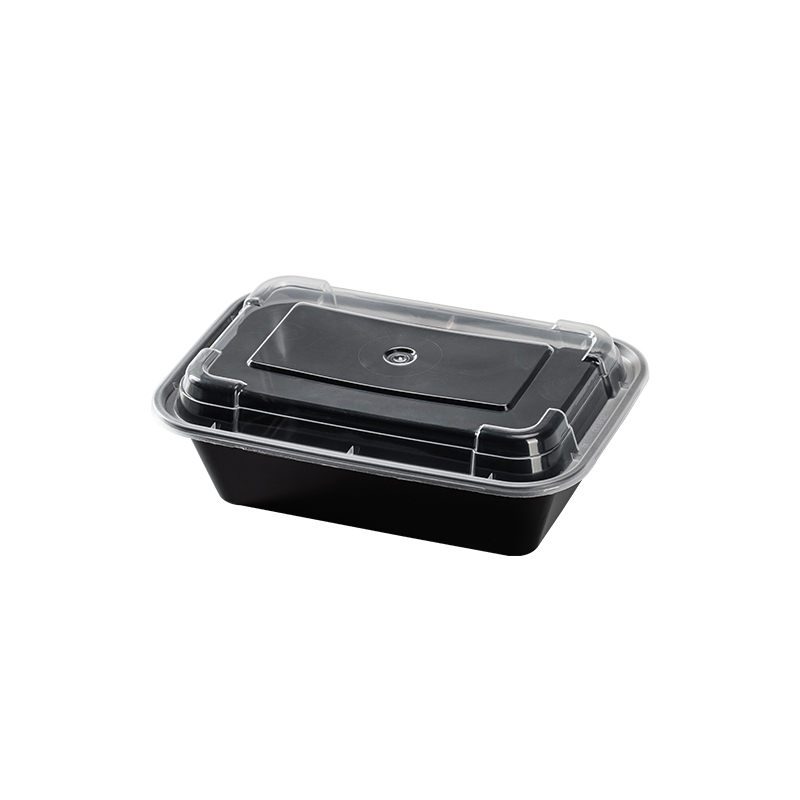
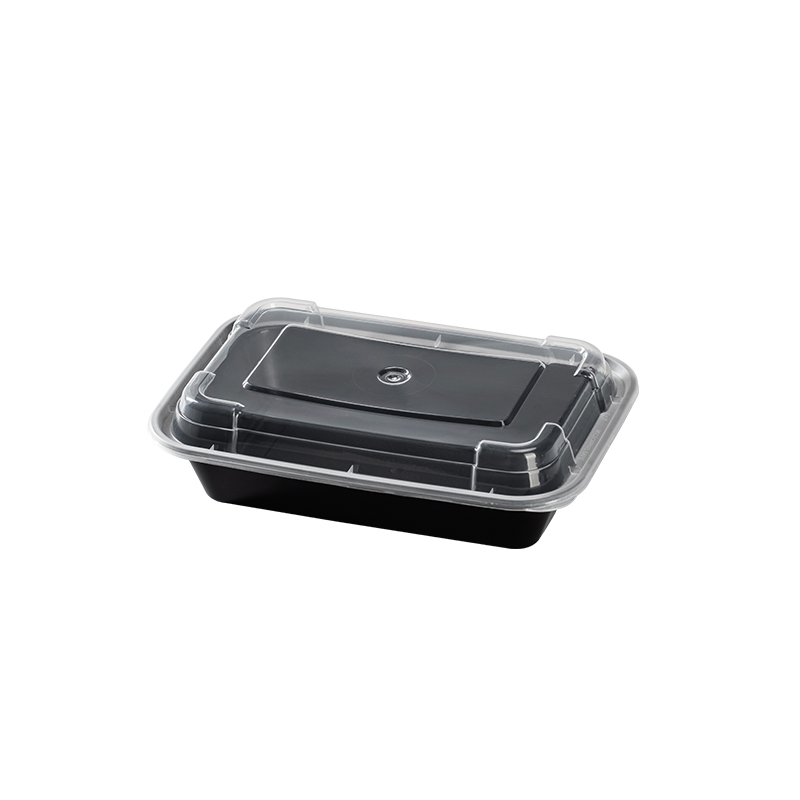
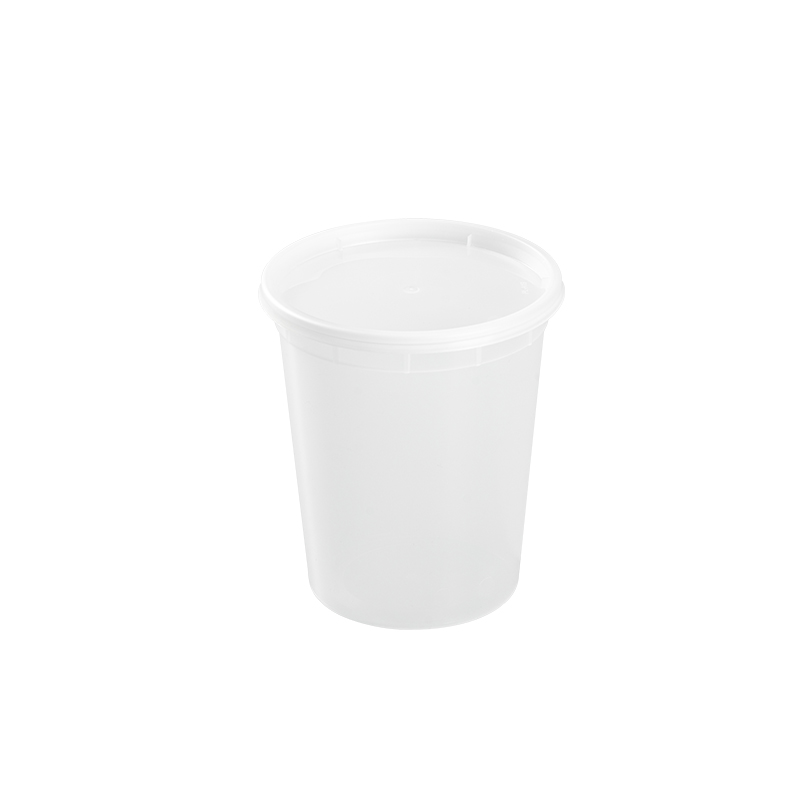
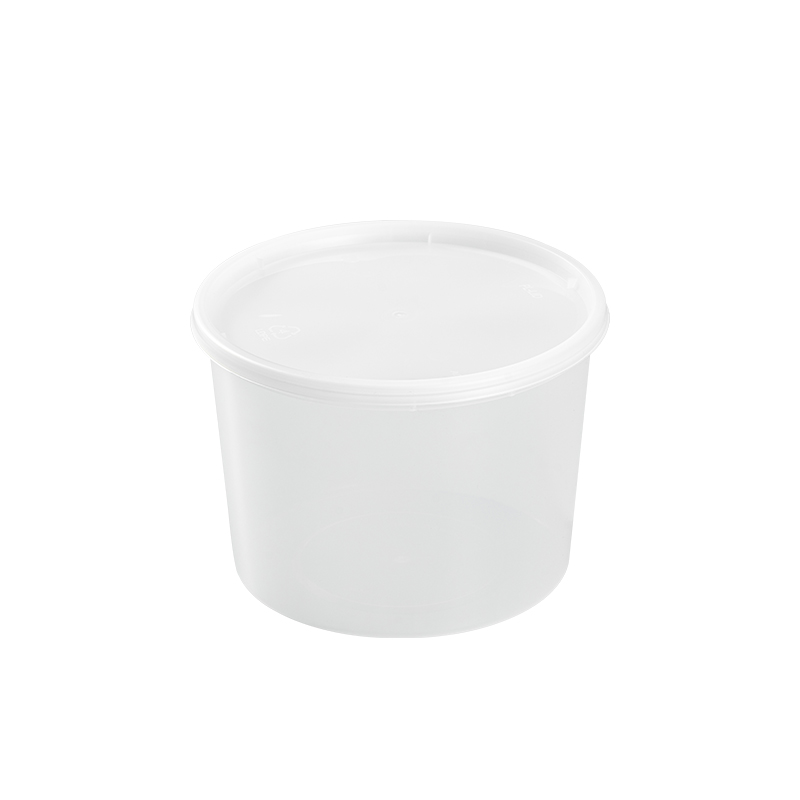
| PP food containers, round, rectangular and tamper-evident | Still widely used and accepted when food-contact standards are met | Keep them, but hold valid food-contact certificates for every SKU |
| PET and rPET beverage cups | Permitted; recycled content is the regulatory direction | Ask for resin origin and recyclability documents, not just a logo |
| Coated paperboard boxes and soup cups | Accepted; recyclability depends on the coating and window material | Prefer mono-material designs, PLA windows or water-based coatings |
| Cutlery, stirrers and straws | Often the first target of local campaigns | Default to paper, wood or bagasse; treat plastic as an opt-in item |
Why Enforcement Feels Inconsistent
National standards set the limit; municipalities set the pace
SASO conformity answers a product question: may this container be sold in the Kingdom? A municipality answers an operational one: may this restaurant hand it to a customer, or pack it with cutlery and a straw? A container that fully meets the standard can still be restricted at the counter. Work to the stricter of the two layers.
Imported packaging passes a paperwork gate
Food-contact packaging entering Saudi Arabia normally needs conformity documents issued through SASO's SABER platform: a Product Certificate of Conformity for the item, then a Shipment Certificate of Conformity for each consignment. A sustainability brochure does not clear customs; migration test data and a signed declaration of conformity do. If a factory cannot supply them, the quotation is incomplete however good the unit price looks.
What Changes on the Ground
The work sits in five places: the bag at the counter, cutlery and straws, cups and lids, soup and sauce containers, and the takeaway box itself. None of it redesigns your kitchen, but all of it touches the last two minutes of an order, which is where customers notice.
Paper is not automatically safe for every dish. A kraft box that holds a dry burger for ten minutes can fail a thirty-minute hold with a hot, oily curry: seams soak through, lid fit drifts, and stacked boxes collapse as steam softens the board. Before approving a switch, ask for a leak test at serving temperature for at least thirty minutes, a lid-fit check across the full rim tolerance, and a stacking test with the heaviest dish you sell.
Materials That Still Work
The compliant answer is usually a small portfolio rather than one material.
- PP and PET containers where grade, wall thickness and lid match the standard, still the most reliable format for hot and oily food.
- rPET cups and containers, which align with the recycling direction and with buyer scorecards.
- Coated paperboard boxes and soup cups, chosen with the coating in mind: PE performs well but limits recyclability, while PLA windows and water-based coatings raise recycling value.
- Bagasse bowls for soups and stews, which take heat without a plastic lining.
- Paper straws, wooden cutlery and kraft bags as the default front-of-house set.
Format matters as much as material. When comparing delivery boxes, we examined coated and uncoated square paper food box designs and where each one holds up.
Cost, Lead Time and Supply Risk
A like-for-like move from thin plastic to coated paperboard is not free. In our quotation history, a paperboard box usually lands 15 to 30 percent above the plastic container it replaces below 50,000 pieces, and the gap narrows sharply above 200,000 as tooling, print setup and freight spread further. Board grade and coating type decide where you land.
The larger risk is continuity rather than price. A restricted category can move between two purchase orders, and a line that depends on one supplier and one coating has no fallback. Dual-source the two or three SKUs you cannot operate without.
A Buying Checklist Before You Sign
- Ask for the current municipal circular or the SASO requirement itself, not a supplier summary of it.
- Request a material declaration naming the resin or board grade, the coating, and confirmation that no oxo-degradable additive is used.
- Collect food-contact migration test reports for each SKU, with reference numbers and dates.
- Check that SABER conformity documents cover the exact product, not a family of similar items.
- Run your three highest-volume dishes through the new packaging at peak temperature and full weight.
- Add a substitution clause so a compliant alternative can ship without reopening the price.
How we approach material selection and end-of-life claims is set out on our sustainability page.
Building a Portfolio That Survives the Next Circular
Operators who handle these changes well rarely switch to a single material. They build three layers: paperboard for visible, front-of-house items; compliant PP or PET where heat, liquid and sealing performance decide whether the order arrives intact; and a paper alternative ready for anything a municipality is likely to target first.
Three starting points from our range cover that spread: a kraft square food box for hot, oily mains, a natural kraft soup cup with a matching lid, and a 32 oz rectangular tamper-evident container for delivery orders that must arrive sealed.
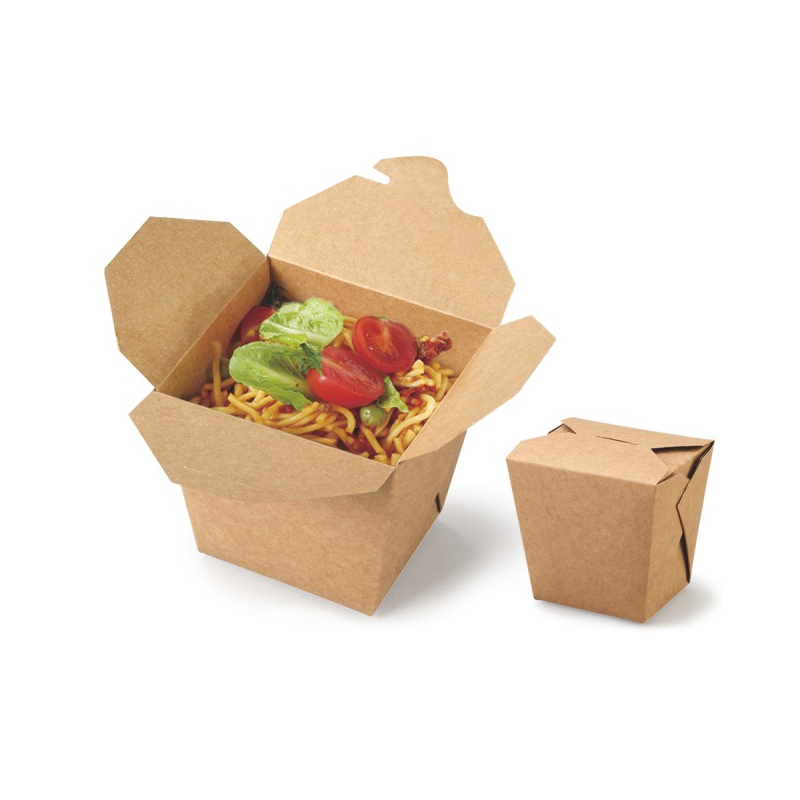 Kraft Square Food Box37oz Rectangular Combo Pack-High Lid PH-888View Product →
 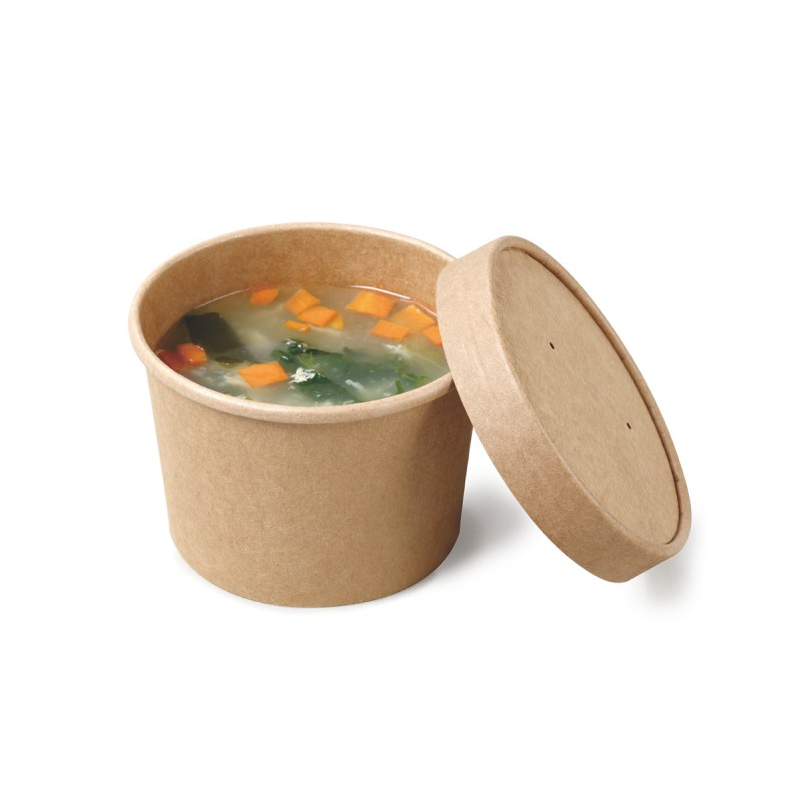 Natural Kraft Soup Cup39oz Round Combo Pack-Ripple PR-36View Product →
 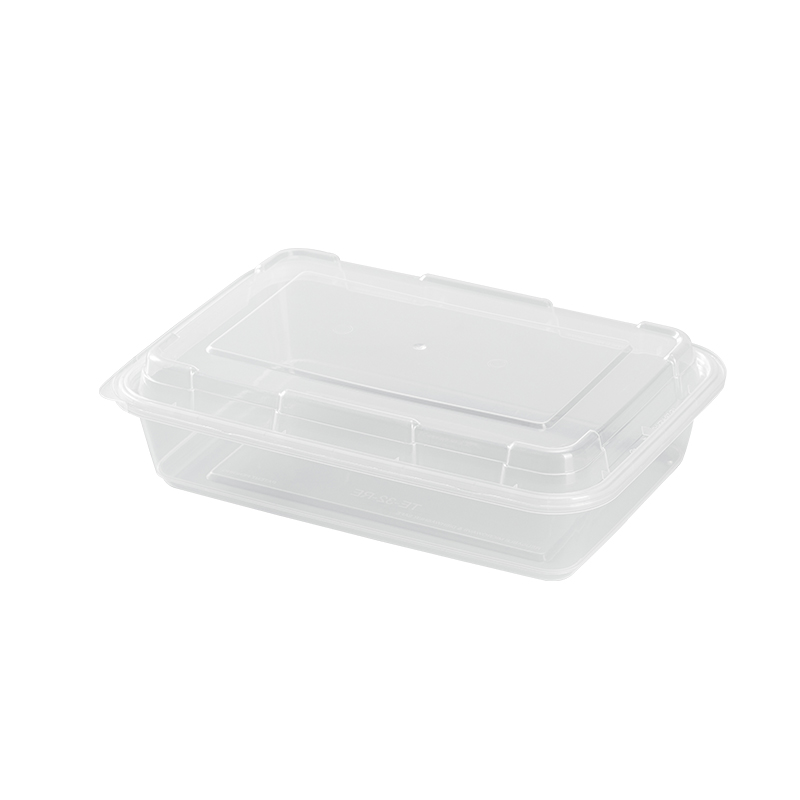 32oz Rectangular Tamper-evident Food Container TE-32-RE32oz Rectangular Tamper-evident Food Container, TE-32-REView Product →
Questions Buyers Ask
Is plastic packaging banned in Saudi Arabia?
No blanket ban on plastic food packaging exists. Specific categories are restricted or prohibited, oxo-degradable plastics being the clearest example, and municipalities add operational rules on top. The practical answer is category by category, not material against material.
Are paper containers automatically compliant?
No. Paperboard still needs food-contact compliance, and a coated or windowed box behaves differently from a plain one. The coating type also decides whether the box can be recycled locally.
Do imported containers need new certificates each shipment?
Generally yes. A Product Certificate of Conformity covers the item; a Shipment Certificate of Conformity covers each consignment arriving in the Kingdom. Both are handled through SABER.
Where should a restaurant start?
With the items that carry the least performance risk and the most visibility: carrier bags, straws, stirrers and cutlery. Replacing those costs little, removes the most obvious plastic from the customer's view, and buys time to test the containers that actually have to hold food.
The rules in Saudi Arabia are moving toward less single-use plastic, not toward one replacement material. Buyers who treat compliance as a specification problem, with test data, certificates and a tested fallback for every critical SKU, spend far less time reacting to the next circular than those who wait for a headline.
Start with your three highest-volume dishes and your three most visible packaging items. Those six SKUs tell you almost everything about what your operation needs to change.
Share:
Related Products

We are very glad that you came to JIEYU to purchase or customize, and we are confident to provide you with quality products and services.

We are committed to developing innovative, reliable, economical, and environmentally friendly disposable and reusable food service products for our customers.

No.199 Liansheng Road, Coast Business Center, Yinzhou District, Ningbo, Zhejiang, China

+86-18106622299

jay@jieyuplast.com
